



In metal fabrication, steel structure manufacturing and tube processing, cutting quality has a direct impact on subsequent welding, assembly and production efficiency. For manufacturers performing high-volume cutting operations, the right saw blade affects more than just the appearance of the cut. It also influences blade life, machine stability and the overall cost per cut.
Many fabricators initially focus on basic specifications such as blade diameter and tooth count. However, cutting performance depends on a much wider range of factors, including material type, wall thickness, tooth geometry, cutting speed, feed rate and work piece clamping. Tube and pipe cutting is particularly demanding because the blade continuously enters and exits the material, creating interrupted cutting conditions that place additional stress on the teeth.
Wall Thickness Is a Critical Factor in Blade Selection
For thin-wall tubing, blades with too few teeth can create excessive tooth impact when entering the material. This may lead to tooth grabbing, vibration and premature tooth damage. As a result, thinner walls generally require a finer tooth pitch and a higher tooth count.
Thicker-wall pipe and solid sections present a different challenge. A blade with an excessively fine pitch may not provide enough space for chip removal, increasing heat and loading in the cutting zone. Selecting the right balance between tooth count, cutting speed and chip clearance is therefore essential.
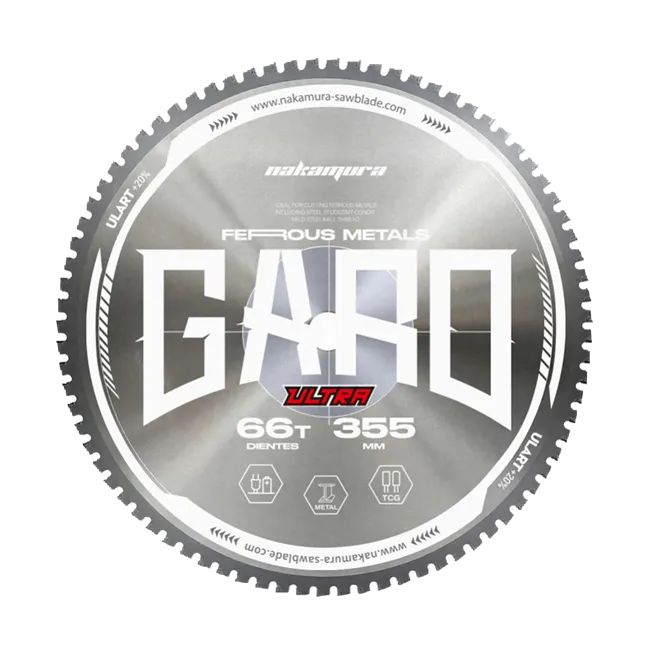
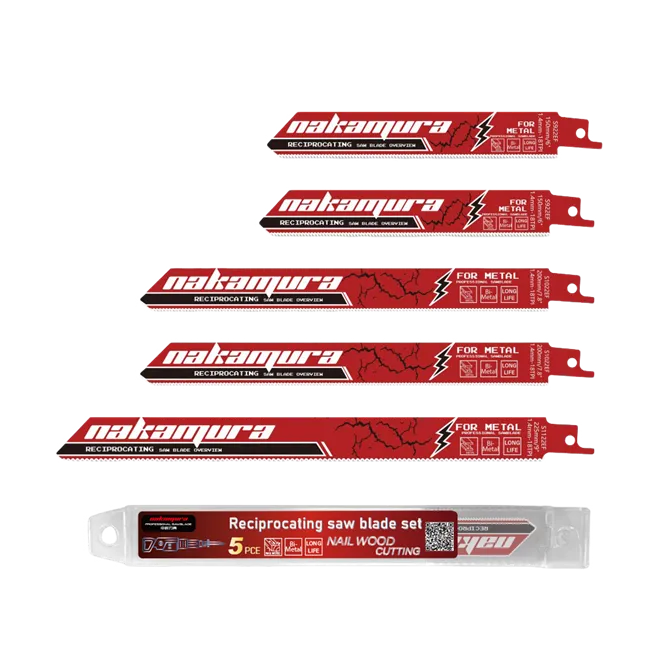
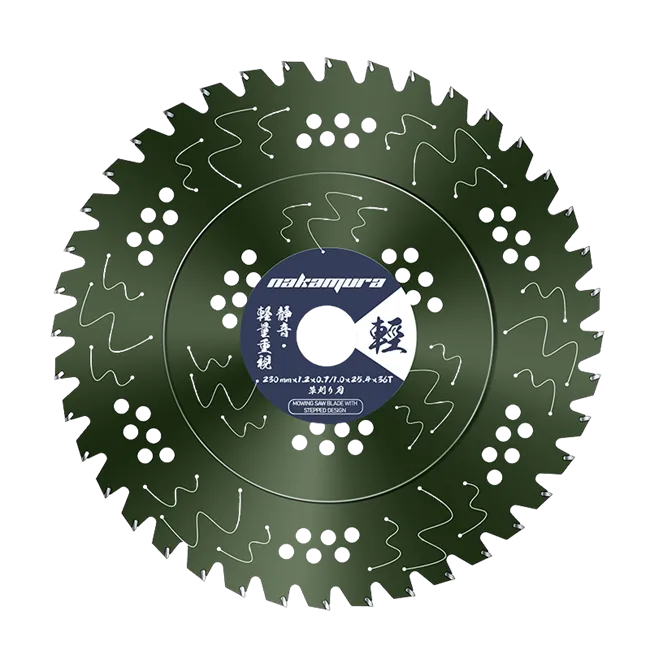
Nakamura's Cold Cut Metal Saw Blade is developed for steel and a wide range of metal profiles, including steel pipe, round tube, angle steel and other common fabrication materials. With BT tooth geometry and multiple specifications available, the series allows fabricators to select a blade that better matches their material size and cutting requirements.
Different Materials Require Different Cutting Solutions
Tooth material is another important factor affecting blade life. Carbon steel, alloy steel, stainless steel and non-ferrous metals behave differently during cutting, making it difficult for a single "universal" blade to deliver optimal performance across every application.
For steel pipe, round tube and structural sections, carbide and cermet-tipped blades can provide the wear resistance and cutting stability needed for demanding applications. For high-volume production, longer and more consistent blade life can also reduce downtime caused by frequent blade changes.
For example, Nakamura's 355mm Carbide Saw Blade For Metal uses a 75Cr1 steel blade body and is available in configurations such as 80 teeth. It is designed for applications including angle steel, spiral steel pipe, round tube and square tube, making it suitable for industrial cutting environments where consistency and stability are important.
Production Cutting Requires Attention to Both Cut Quality and Blade Life
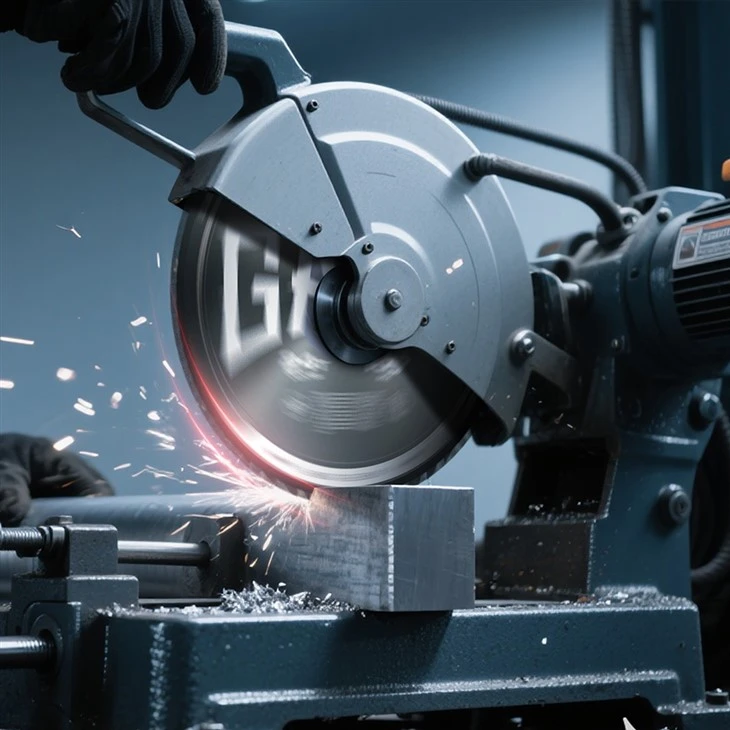
For manufacturers processing large quantities of tube and pipe every day, simply increasing cutting speed does not necessarily reduce production costs. Excessive burrs may require additional finishing, while short blade life can lead to frequent machine stoppages and increased labor costs.
This is why production shops should consider total cost per cut rather than blade price alone. A professional blade that costs more initially but provides longer service life and more consistent cutting may ultimately reduce the total cost of production.
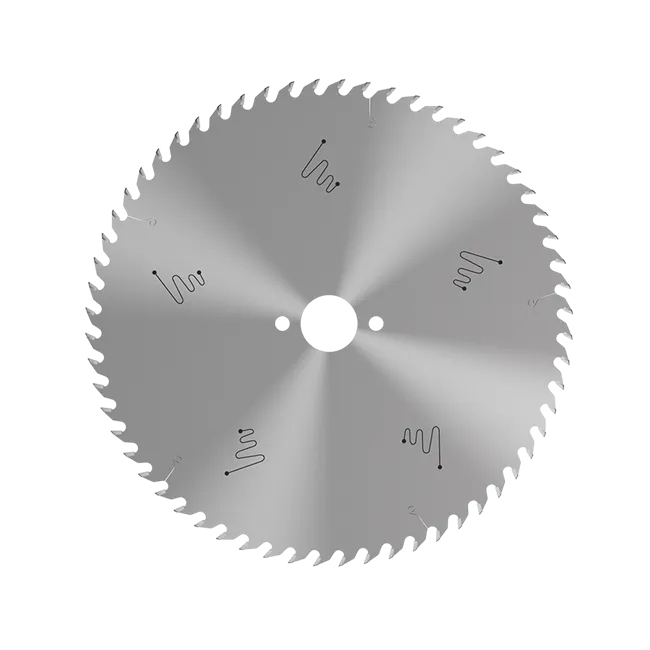
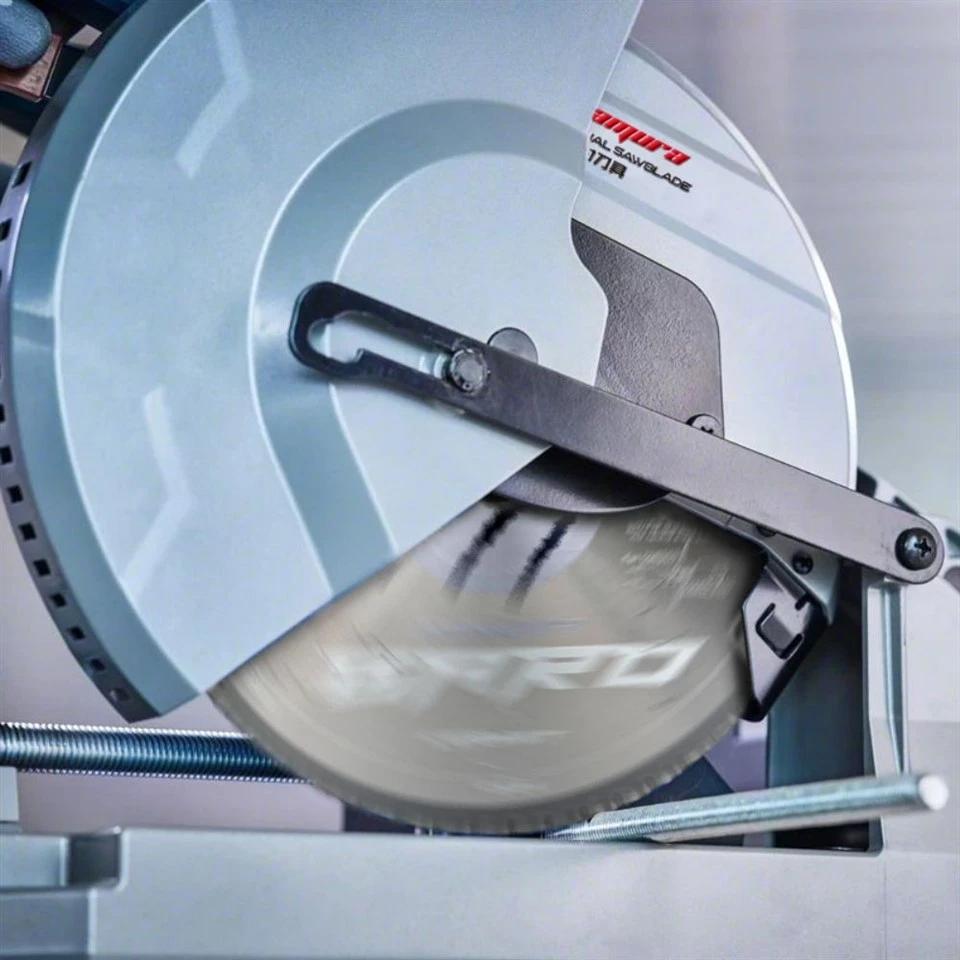
For applications where both cutting efficiency and finish quality are important, Nakamura's 80 Tooth Metal Cutting Circular Saw Blade uses an 80-tooth configuration with cermet tips. It is designed for mild steel, carbon steel profiles, tubing and other common fabrication applications. Its finer tooth configuration can help provide consistent cut surfaces in repetitive production environments.
Machine Condition Also Determines Blade Performance
Even the right blade cannot perform properly if the machine itself is poorly maintained. The spindle, flanges, clamping system and coolant system all need to be kept in good condition. If the work piece is not securely clamped during tube cutting, vibration can occur, causing blade runout and negatively affecting both cut accuracy and tooth life.
Professional tube and pipe cutting therefore involves more than simply selecting a blade. Material type, wall thickness, tooth count, tooth material, cutting parameters and machine condition all need to be considered together.
As metal fabrication continues to move toward higher productivity and greater precision, application-specific blade selection will become increasingly important for controlling production costs and maintaining consistent results. For manufacturers working with steel pipe, round tube and structural profiles, choosing the right saw blade can improve cut quality while supporting more stable and efficient production.