


Where resin cutting discs are commonly used
- Carbon steel cutting.
For ordinary carbon steel, cutting discs need balanced wear resistance, heat resistance, and stability. General-purpose metal resin cutting discs are commonly used for steel pipes, angle iron, and rebar.
- Stainless steel cutting.
Stainless steel is harder and has poor thermal conductivity. It is more likely to cause heat discoloration or blackened cut edges. Ultra-thin stainless steel cutting discs with higher sharpness and better heat dissipation are usually more suitable.
- Alloy steel and tool steel cutting.
These materials have higher hardness and require more consistent abrasive grains, stronger bonding, and better disc stability. Industrial-grade metal cutting discs are more suitable for these applications.

Clean cutting is not only about speed
For a resin cutting disc, a cleaner cut depends on the balance between sharpness, wear resistance, heat control, and safety.
High-quality abrasive grains help improve cutting speed. A stable resin bond allows abrasive grains to renew properly and helps prevent premature dulling. Disc thickness also affects cutting efficiency, stability, and service life.
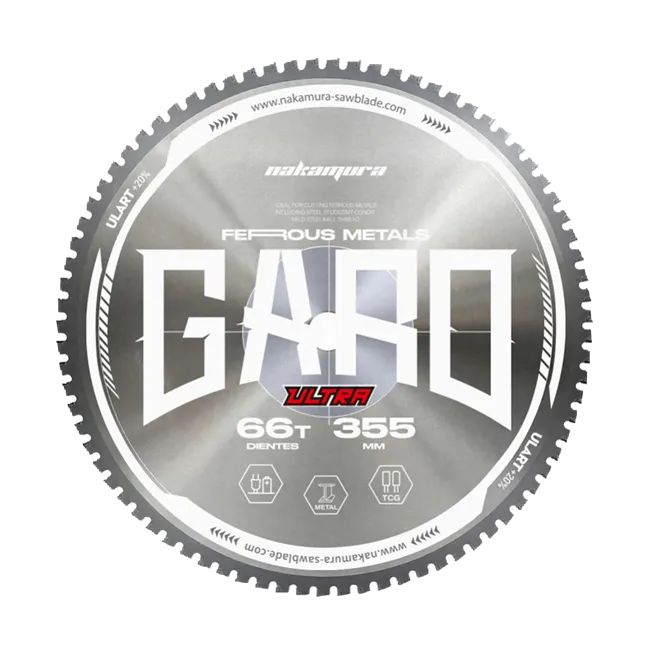
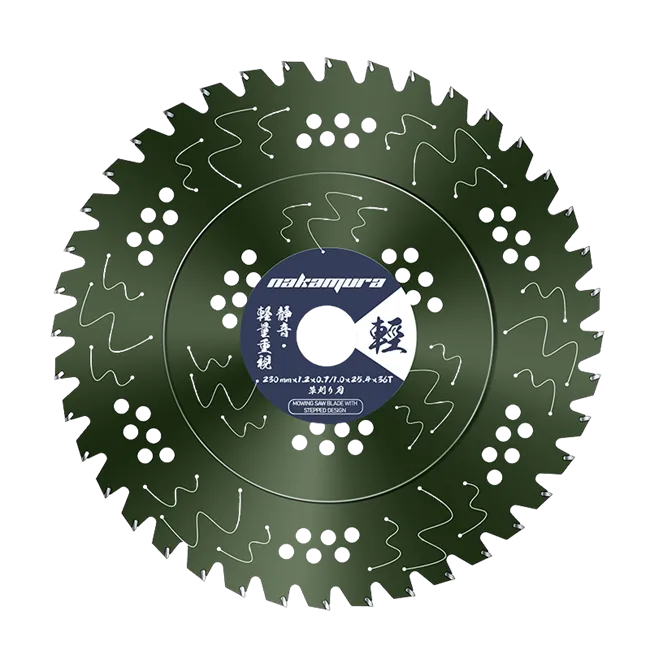
For metal applications where customers want fewer sparks, lower heat influence, less burr, and less secondary finishing, a toothed metal cutting circular saw blade can also be considered. The Nakamura Metal Cutting Circular Blade is designed for metal and stainless steel cutting, serving hardware processing, installation work, and industrial supply customers.
Different materials need different cutting tools
In purchasing, many customers treat "cutting discs" as one broad category. In real applications, material matching is the key.
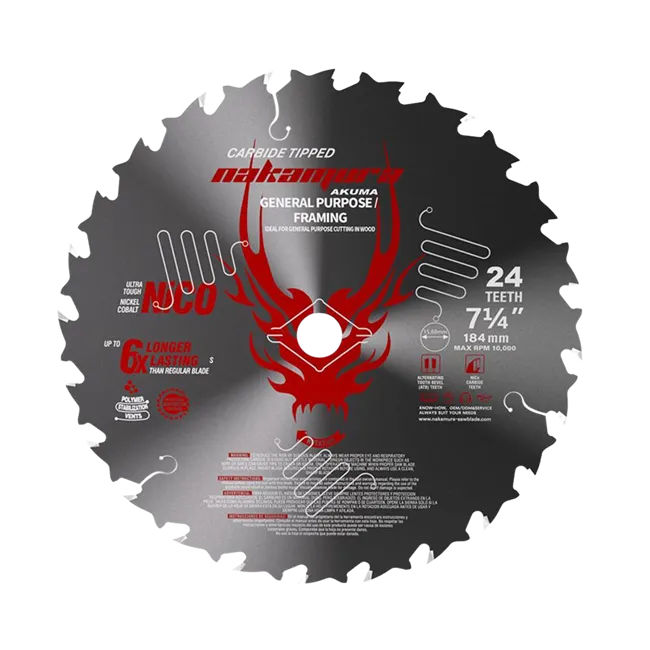
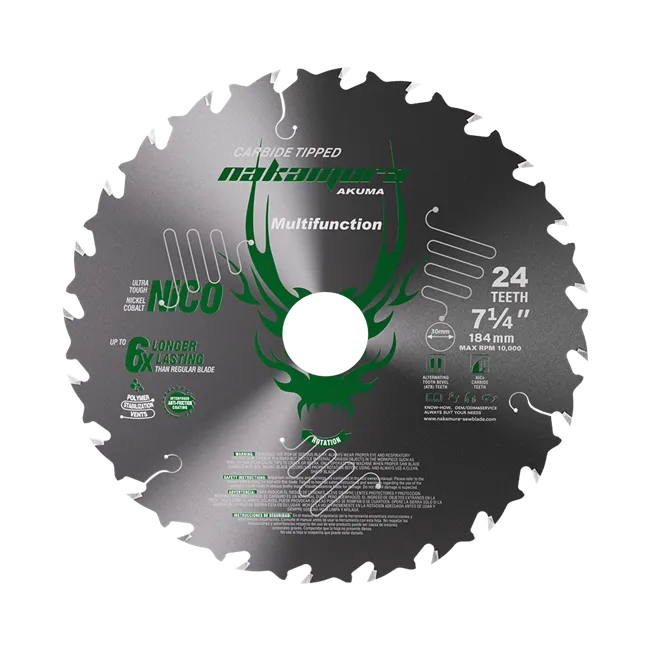
Wood, OSB, MDF, and plywood are not ideal for long-term cutting with resin cutting discs. They are better suited to wood cutting saw blades. The Wood Cutting Disc Blade 125mm uses a thin structure and anti-kickback design for wood and engineered panel cutting with handheld tools.
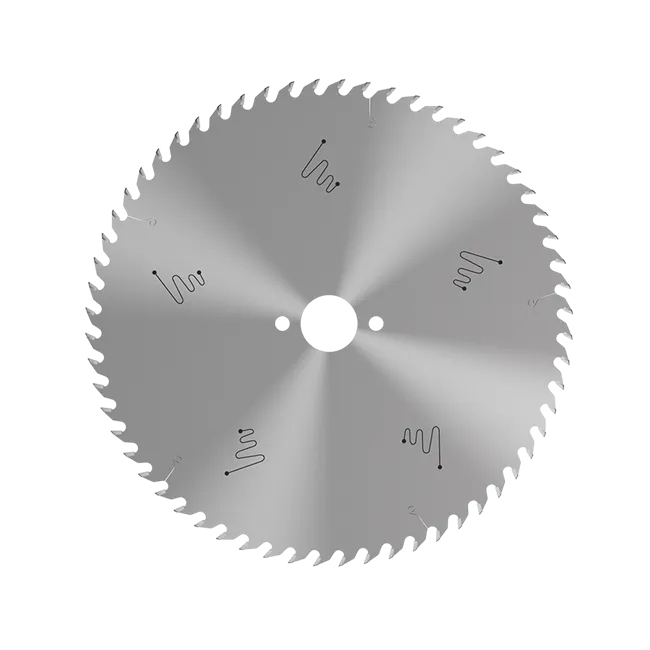
For abrasive materials such as fiber cement board and calcium silicate board, standard resin discs or wood blades are not ideal. PCD tools are more suitable. The Fiber Cement Board Saw Blade is designed for stable cutting of abrasive sheet materials.

Safety tips for resin cutting discs
Before use, confirm that the outer diameter, bore size, and maximum safe speed of the disc match the machine. Check the disc for cracks, chips, moisture damage, or deformation.
Do not apply side pressure, do not force the cut, and do not use a metal cutting disc for stone, concrete, or tiles. The correct disc should always be matched to the material.
Operators should wear eye protection, gloves, and dust protection, and the workpiece should be fixed properly to reduce vibration and avoid disc binding.
Nakamura's multi-application cutting approach
Nakamura does not believe one product can solve every cutting problem. Metal, wood, composite panels, fiber cement board, and building materials all require different abrasives, tips, tooth geometry, and blade structures.
From resin cutting disc selection to metal cutting blades, wood cutting discs, and PCD saw blades, Nakamura provides clearer material-matching logic for customers who need efficient, stable, and controllable cutting results.
Nakamura matches the right cutting tool to the right material.