


Choosing the right material for the application
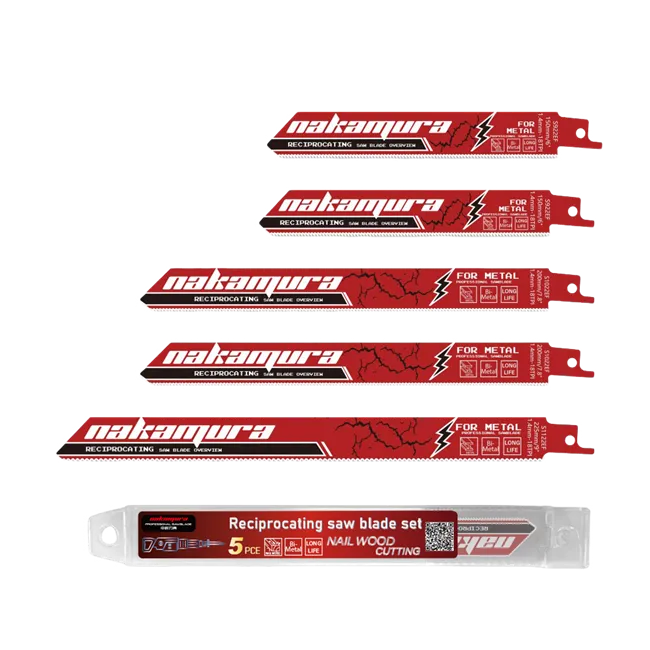
Different blades require different materials.Wood cutting TCT blades focus on sharpness, chip evacuation, and edge quality. Metal cutting blades require stronger blade bodies, better heat resistance, and more durable tips. PCD blades are designed for abrasive materials such as fiber cement board and calcium silicate board.
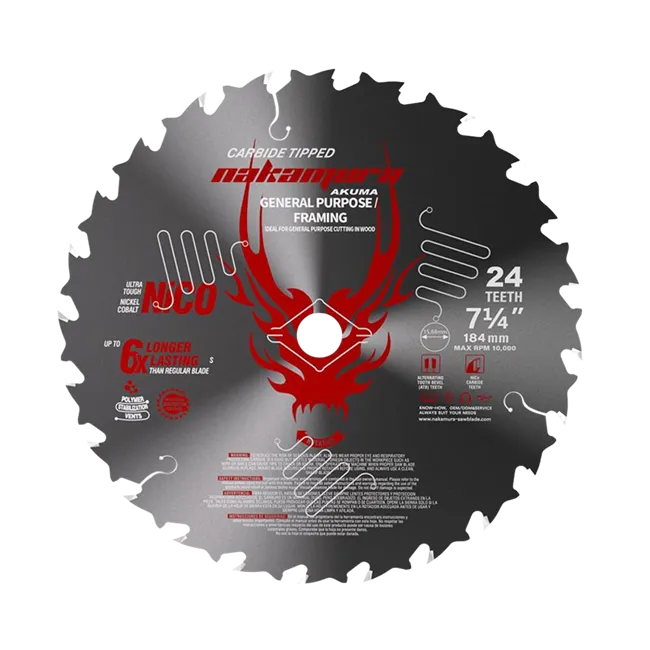
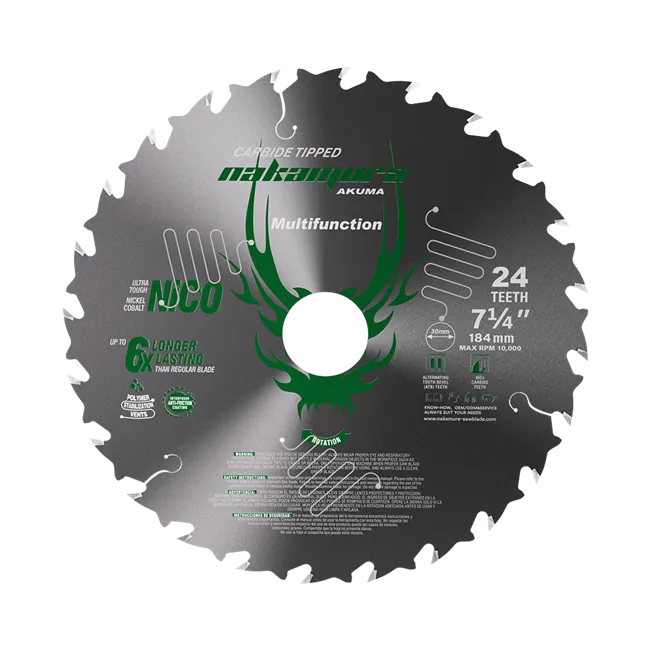
The 184mm TCT Saw Blade For Wood uses a 65Mn steel body and is suitable for framing timber, OSB, MDF, plywood, and general jobsite wood cutting. The goal of material selection is to balance blade body toughness, tip hardness, and cutting efficiency.

Blade body forming and slot processing
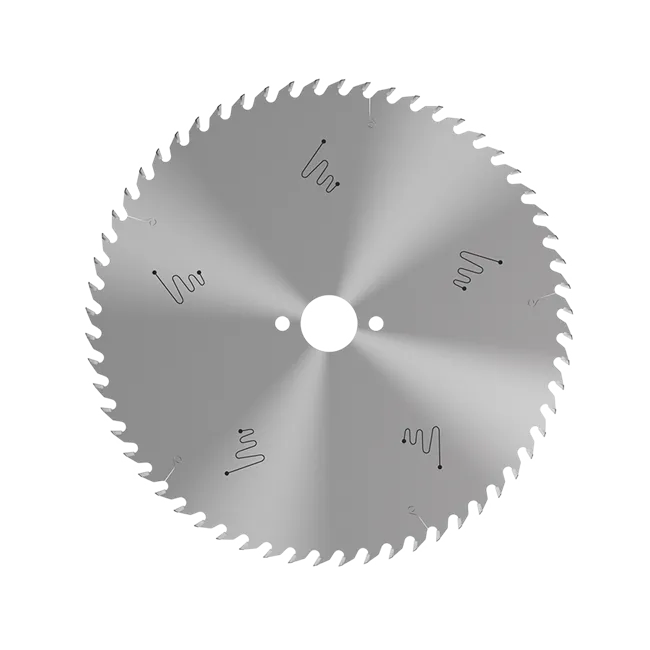
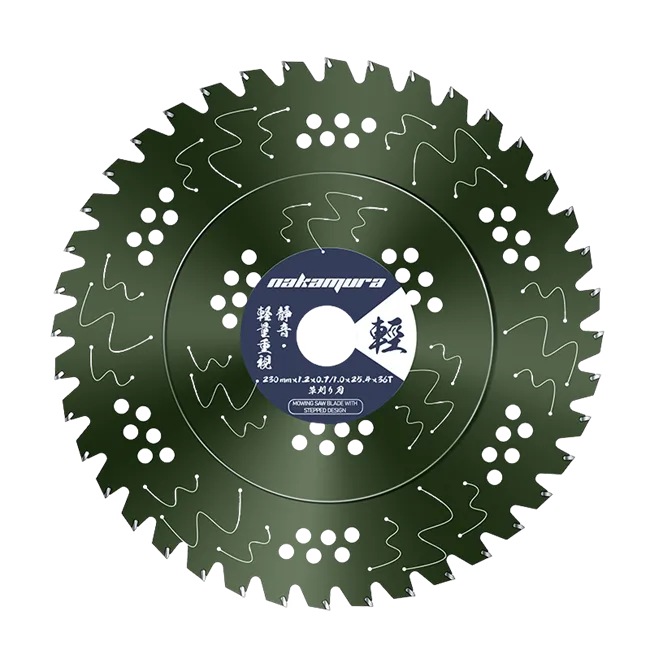
After material selection, the blade body is formed through cutting, punching, or laser processing. Outer diameter, center bore, expansion slots, vibration-control slots, and other structures all affect running stability at high speed.
Laser cutting is often used for precise contours and slot shapes. It helps improve structural consistency and prepares the blade body for heat treatment, tensioning, and brazing.
Heat treatment and tempering
Heat treatment gives the blade body suitable hardness and toughness. For circular saw blades, the goal is not simply to make the blade harder. The real challenge is balancing hardness, toughness, flatness, and internal stress.
If heat treatment is unstable, the blade may warp, wobble, vibrate, or generate excessive heat during cutting. Proper heat treatment and tempering are important foundations for long-term blade stability.
Tensioning and flatness control
A circular saw blade must remain stable during high-speed rotation and continuous cutting. Tensioning and leveling help the blade body maintain better flatness and running stability at working speed.
This step may look simple, but it directly affects noise, vibration, cutting straightness, and user experience.
Tip brazing and tooth geometry
For TCT saw blades, carbide tips are brazed onto the steel body. Brazing quality, tip position, and tooth geometry all influence sharpness and durability.
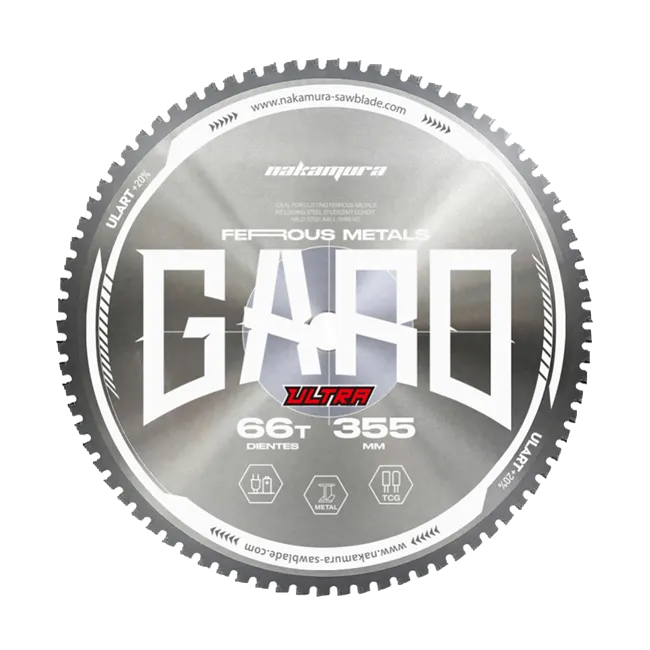
For metal cutting applications, the Nakamura Metal Cutting Circular Blade is designed for metal and stainless steel cutting. It focuses on tooth strength, heat control, and wear resistance, serving hardware processing, installation work, and industrial supply customers.

Precision grinding
Grinding determines how the blade actually cuts into material. Hook angle, clearance angle, side angle, tooth height, and tooth spacing consistency all affect cutting speed, edge quality, and blade life.
Wood, metal, aluminum, composite materials, and fiber cement board all require different tooth geometries and grinding angles. This is where application-specific manufacturing becomes important.
Final inspection and application matching
Before shipment, a saw blade should be checked for appearance, dimensions, flatness, runout, tooth consistency, brazing condition, and packaging accuracy. For OEM and ODM customers, batch consistency and correct specifications are just as important.
For abrasive materials, Nakamura also provides PCD blade solutions. The Fiber Cement Board Saw Blade is suitable for fiber cement board, gypsum-bonded panels, and other abrasive sheet materials, focusing on stable cutting and stronger wear resistance.
Conclusion
From steel to finished tool, saw blade manufacturing depends on material selection, heat treatment, tension control, brazing, grinding, and inspection.
Nakamura believes that a reliable blade should not only look sharp. It should cut smoothly, accurately, and consistently in real working conditions.
Nakamura turns precision manufacturing into stable cutting performance.