

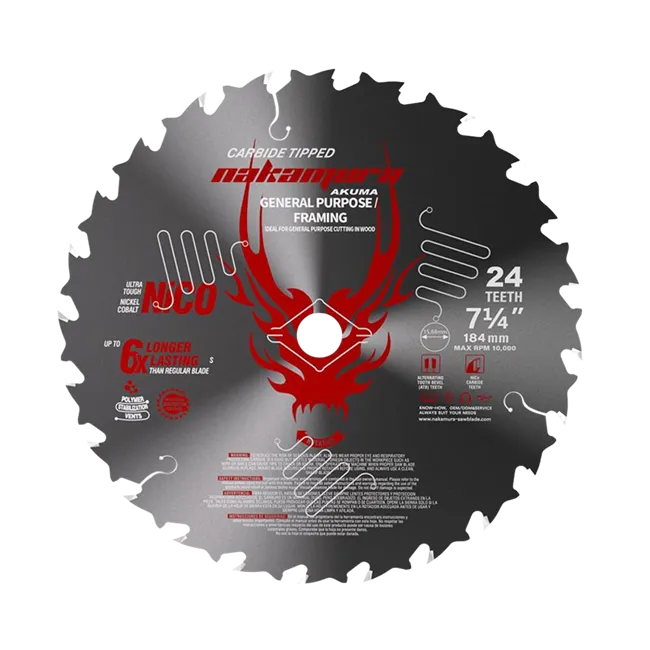
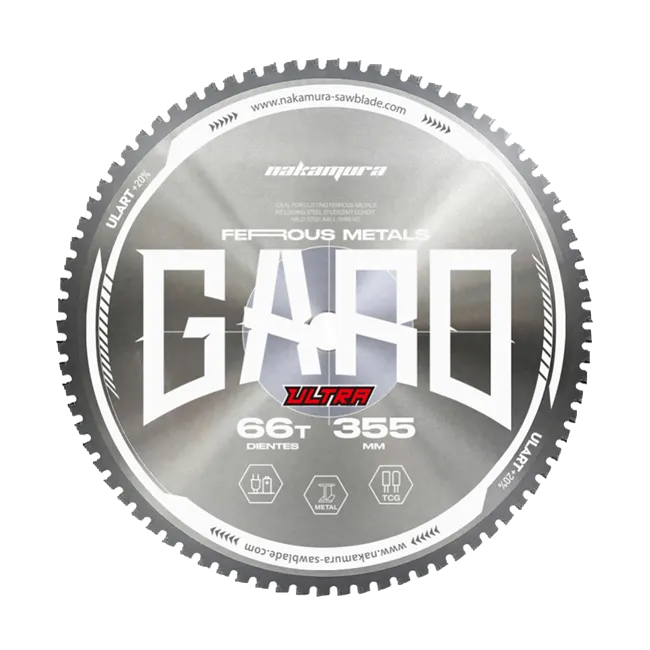
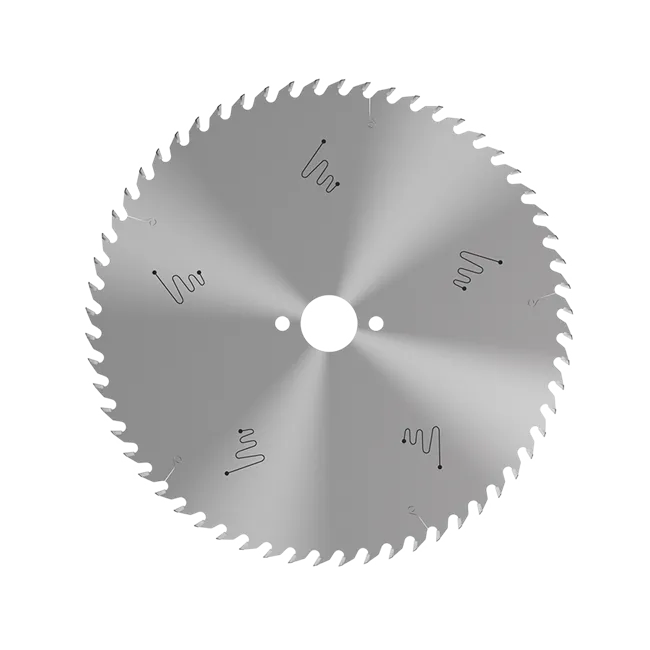
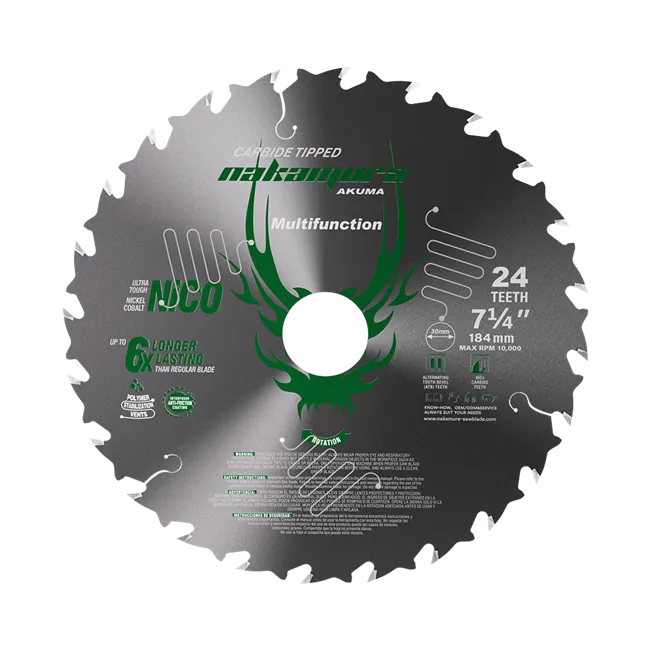


When choosing a circular saw blade, tooth count and tooth geometry are not the only factors to consider. The size and shape of the gullets between the teeth also play an important role in cutting performance.
Gullets, also known as chip spaces, help collect and remove chips during cutting. Their design affects chip clearance, cutting efficiency, and the suitability of a blade for different materials.
Understanding gullet size can help you choose the right circular saw blade for woodworking, aluminum cutting, and other applications.
1. What Is a Gullet on a Circular Saw Blade?
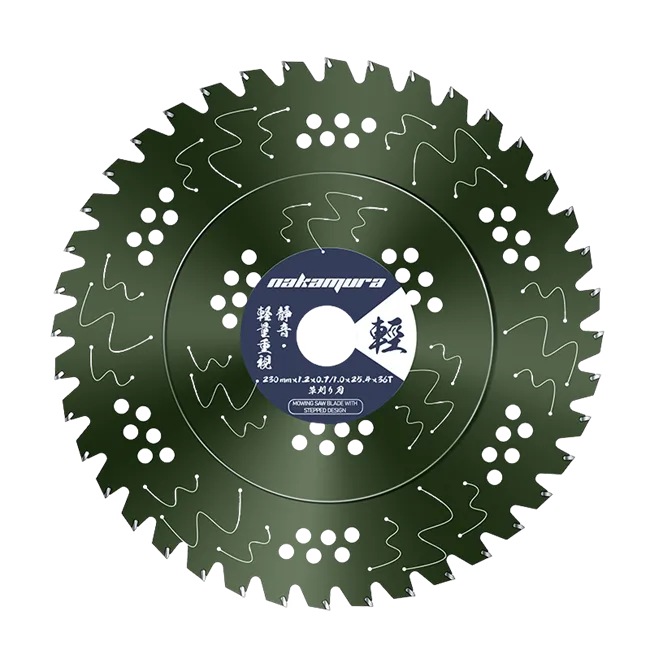
A gullet is the curved space between two adjacent teeth on a circular saw blade. It provides room for chips and cutting debris to collect before they are discharged from the cutting area.
Gullet design is closely related to tooth count and tooth geometry. A larger gullet generally provides more space for chip removal, while a smaller gullet allows more room for additional teeth around the blade.
The right design depends on the material being cut, blade diameter, cutting speed, and feed rate.
2. Why Does Gullet Size Matter?
Gullet size influences several aspects of blade performance.
Chip removal
During cutting, material is removed in the form of chips, shavings, or sawdust. Gullets provide space for this material to move away from the cutting area. Insufficient chip clearance can contribute to clogging and poor cutting performance.
Cutting efficiency
A suitable gullet design helps the blade remove material efficiently. If the chip space is not appropriate for the material and feed rate, cutting can become less efficient.
Heat management
Friction and chip buildup can contribute to heat generation during cutting. Proper chip evacuation helps reduce material accumulation around the teeth and supports more stable cutting conditions.
Surface finish
Gullet size works together with tooth count and tooth geometry to influence the cutting result. A larger gullet does not automatically produce a better cut, just as a higher tooth count does not always guarantee a smoother finish.
3. Gullet Design for Wood Cutting
Wood produces chips and sawdust that vary depending on the wood species, moisture content, grain direction, and cutting method.
For applications such as ripping and cutting thicker wood, blades often use more generous gullets to provide sufficient chip space. This is particularly important when a higher volume of material is removed during each cut.
For general woodworking, Nakamura offers the 185mm Multipurpose Circular Saw Blade for users looking for a blade for suitable general-purpose cutting applications. Always check the product specifications to confirm material compatibility.
4. Gullet Design for Aluminum Cutting
Aluminum cutting requires a blade specifically designed for non-ferrous metals. In addition to gullet size, tooth geometry, tooth count, carbide grade, and cutting conditions all affect performance.
The appropriate gullet must provide enough space for aluminum chips to clear the cutting area without compromising the blade's overall tooth design.
For aluminum profiles and other suitable non-ferrous materials, Nakamura's 900mm Saw Blade For Aluminum is an option to consider. The correct blade should be selected according to the aluminum type, workpiece dimensions, machine, and cutting requirements.
For larger industrial applications, blade diameter and machine compatibility become especially important. A large-diameter blade, such as a 900mm aluminum cutting saw blade, must be matched to the intended machine and operating conditions.
5. Gullet Size in Multi-Material Saw Blades
Multi-material applications can involve different types of chips and cutting requirements. A blade designed for more than one material needs an appropriate balance between tooth count, tooth geometry, and chip space.
However, not every multipurpose blade is suitable for every material. For example, a blade intended for wood and certain plastics should not automatically be used for steel or other metals.
Before selecting a multi-material blade, confirm:
Which materials it is designed to cut
The recommended workpiece thickness
Tooth count and tooth geometry
Blade diameter and bore size
Maximum operating RPM
Compatibility with the cutting machine
For users working with different materials, Nakamura's Multi Purpose Chop Saw Blade can be considered after confirming its application specifications.
6. Does a Bigger Gullet Always Mean Better Performance?
No. Gullet size involves a balance between chip clearance and tooth spacing.
Larger gullets can provide more room for chip removal, which may benefit applications involving greater material removal. However, increasing gullet size also affects the available space for teeth around the blade.
Smaller gullets allow a higher tooth count in some blade designs, which may be useful for applications requiring a finer cutting finish. However, chip clearance must still be sufficient for the material and feed rate.
The best design is not necessarily the largest or smallest gullet. It is the design that matches the intended cutting application.
7. How to Maintain Your Saw Blade
Even a well-designed blade can lose performance if it is not maintained properly.
Follow these basic maintenance practices:
Remove resin, dust, and material buildup using a suitable blade cleaner.
Check the teeth and gullets regularly for damage or accumulated debris.
Avoid using damaged blades or blades with loose carbide tips.
Store blades in a dry place and protect the cutting edges from impact.
Follow the saw and blade manufacturers' installation and operating instructions.
Regular inspection and appropriate maintenance can help support consistent cutting performance and extend blade service life.
Conclusion
Gullet size is an important part of circular saw blade design. It affects chip removal and works together with tooth count, tooth geometry, blade diameter, and cutting conditions to determine overall performance.
Whether you are cutting wood, aluminum, or other suitable materials, choosing a blade with the right gullet design for the application can help improve cutting efficiency and maintain consistent results.
Nakamura provides TCT and PCD circular saw blade solutions for different cutting applications. Contact our team with your material, blade dimensions, and machine requirements to discuss a suitable blade specification.