

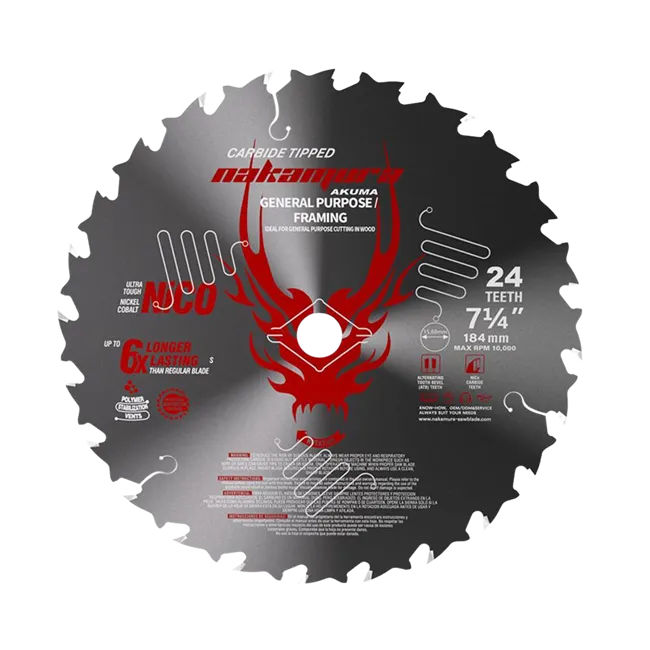
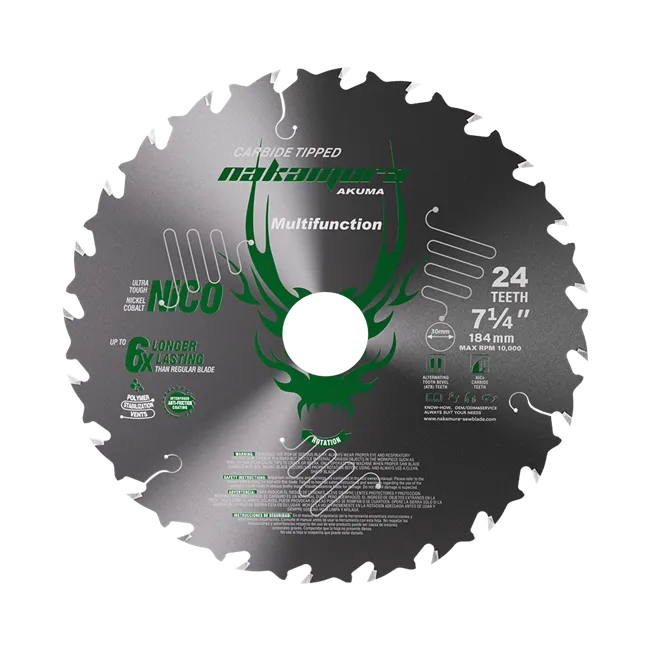

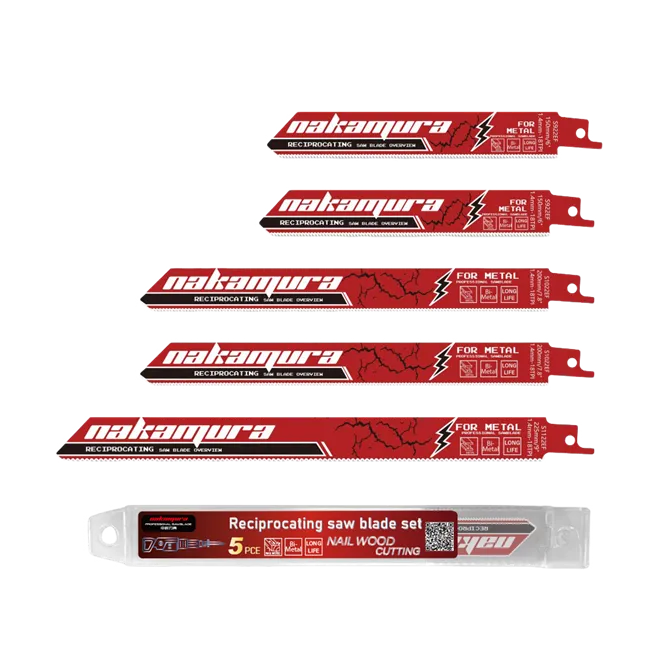
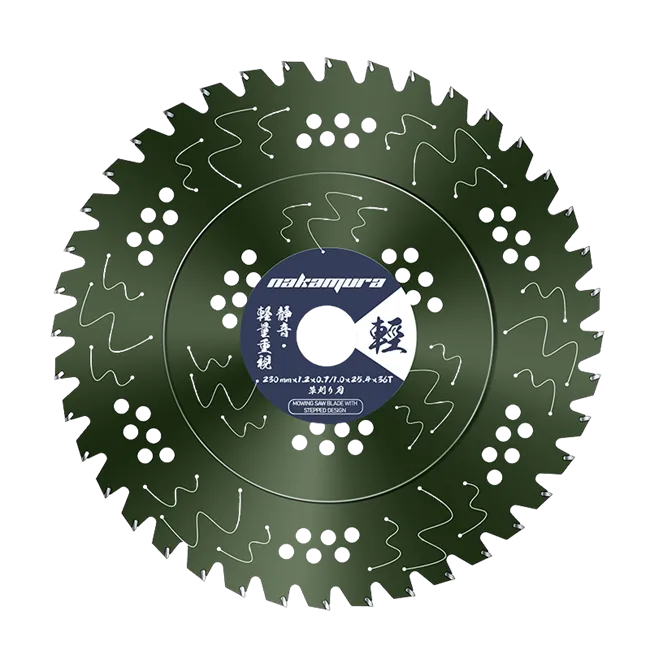

In the advanced industrial manufacturing sector, achieving absolute precision in material separation dictates both product quality and operational efficiency. As a comprehensive manufacturer of cutting technologies, our portfolio spans the entire spectrum of material processing. From supplying heavy-duty Demo Carbide Saw Blades For Wood engineered for extreme demolition and nail-embedded timber, to fabricating ultra-precision tools, we understand that tooling geometry must perfectly align with material metallurgy. Today, this whitepaper analyzes the thermodynamic capabilities, dynamic precision, and strict application boundaries of Polycrystalline Diamond (PCD) circular saw blades in modern manufacturing.
1. Metallurgical Specificity: The Boundaries of Polycrystalline Diamond Polycrystalline Diamond (PCD) is a synthetic super-abrasive manufactured under extreme high-temperature and high-pressure conditions. While outdoor agricultural maintenance relies on impact-resistant steel tools like a Saw Blade For Weed Trimmer, precision industrial processing of abrasive materials demands the supreme hardness of PCD.
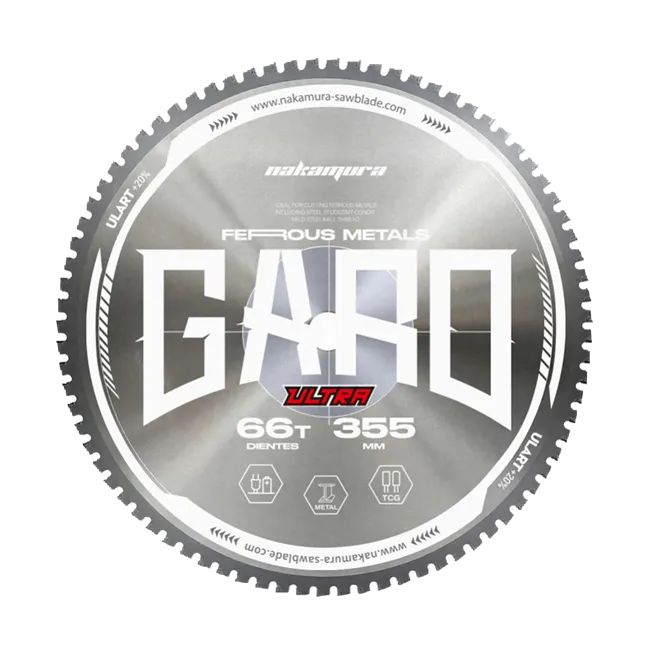
However, a critical engineering imperative is understanding PCD's chemical limitations. PCD is the ultimate solution for processing highly abrasive composite materials (MDF, HDF, melamine laminates, CFRP) and non-ferrous metals (aluminum, copper). It must never be used to cut ferrous metals (steel or iron). At high cutting temperatures, the carbon in the diamond reacts with iron, causing rapid graphitization and instantaneous catastrophic failure of the cutting edge. For applications involving ferrous metals or mixed demolition environments, utilizing specialized Bi-metal Reciprocating Saw Blades provides the necessary mechanical toughness and chemical stability that PCD lacks.
2. Kinematic Precision: Edge Retention and Surface Finish In precision cutting, dimensional variance must be minimized to micron levels. The unparalleled hardness of PCD ensures that the cutting edge remains microscopically sharp up to 50 times longer than standard Tungsten Carbide (TCT). This exceptional edge retention is crucial for automated CNC operations cutting abrasive laminates or fiberglass. Unlike traditional blades that gradually dull-causing increased feed resistance, material tear-out, and thermal deformation-PCD blades deliver a mathematically consistent, mirror-like surface finish from the first cut to the thousandth, entirely eliminating secondary finishing processes.
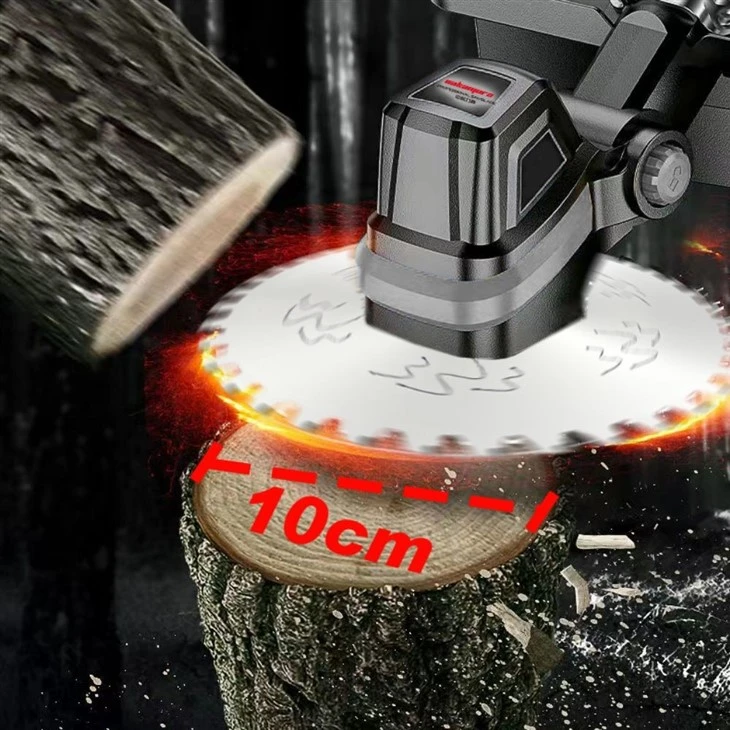
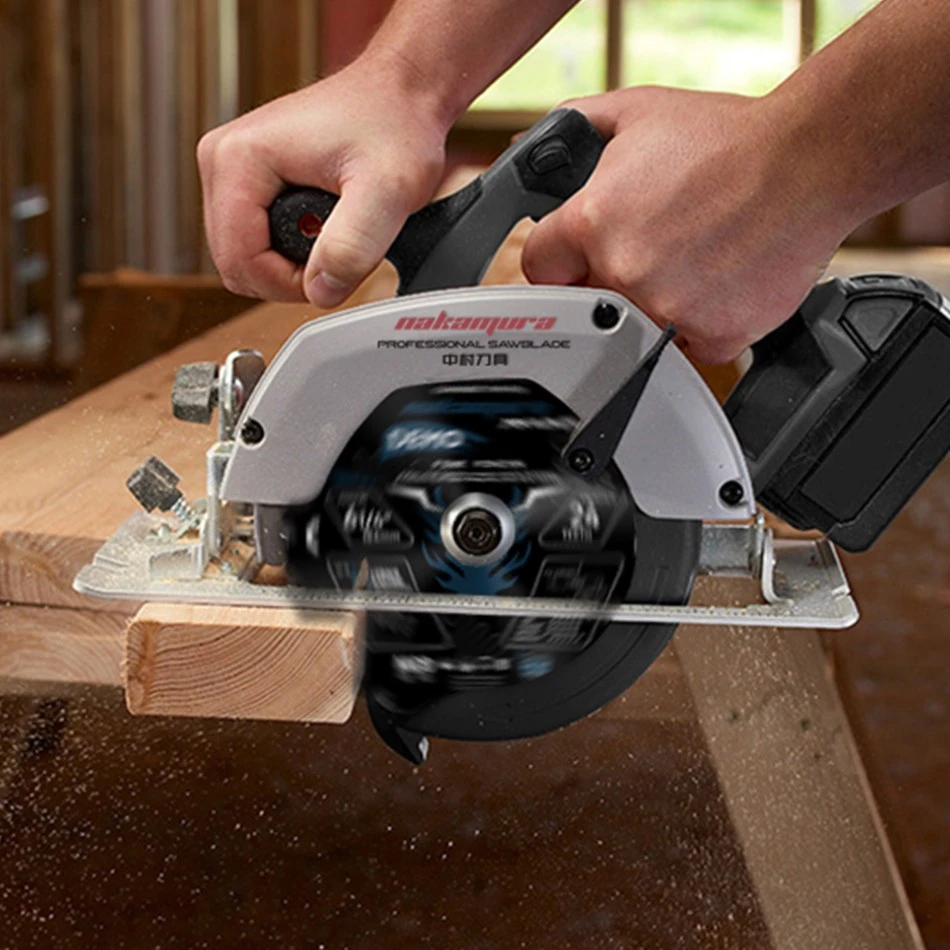
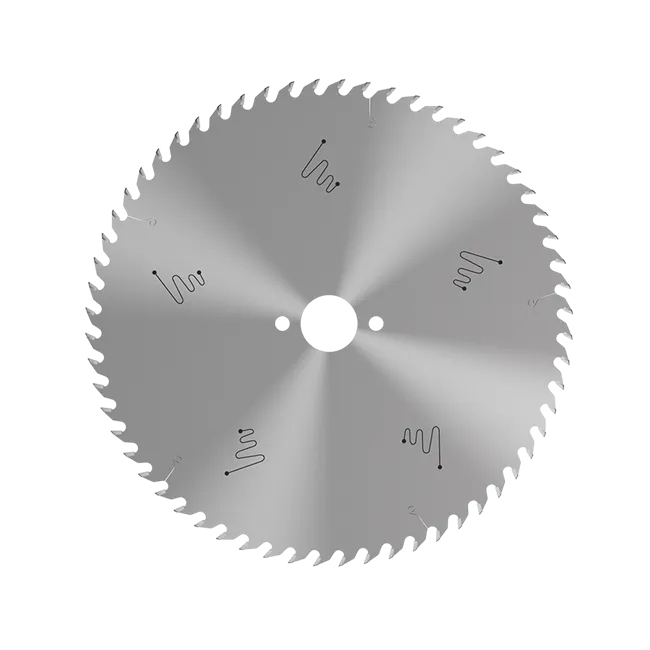
3. Dynamic Stability: Minimizing Harmonic Resonance and Runout Precision cannot be achieved by edge sharpness alone; the structural integrity of the steel plate (substrate) is equally vital. High-speed rotation induces centrifugal forces and harmonic resonance, which manifest as lateral runout (wobble). Industrial-grade PCD circular saw blades are engineered with laser-cut expansion slots and polymer-filled silence lines to absorb thermal expansion and dampen acoustic vibrations.
Furthermore, premium PCD blades undergo rigorous computerized dynamic balancing. This meticulous calibration ensures that the blade mass is perfectly distributed, isolating the cutting edge from spindle vibrations and guaranteeing a perfectly straight, vibration-free tracking path through dense composite materials.
4. Machine Synergy and Operational Parameters Deploying a precision PCD blade requires corresponding accuracy from the processing machinery. The finest PCD blade will fail if mounted on a machine with compromised spindle bearings or misaligned flanges. Achieving optimal precision requires strict adherence to designated cutting parameters-specifically, matching the peripheral tip speed (RPM) and feed rate to the density of the workpiece.
Conclusion and B2B Procurement PCD circular saw blades represent the apex of precision cutting technology for abrasive composites and non-ferrous materials. By strictly adhering to material compatibility protocols and utilizing dynamically balanced tools, manufacturing facilities can drastically maximize their operational ROI and product quality. As a premier source manufacturer, we engineer our cutting solutions to the highest global industrial standards. We invite industrial distributors and manufacturing partners to consult our technical engineering team for OEM-customized, application-specific cutting solutions tailored to your exacting production requirements.