


A pervasive "common myth" in the metal fabrication industry is quietly eating away at profits: using the same saw blade to cut all metals. In reality, cutting stainless steel and cutting aluminum place completely different demands on the saw blade-get it wrong, and the cost per part can jump from $0.10 to $0.30 or more.
1. Why "One Blade for All" Doesn't Work
- Stainless Steel Characteristics. Stainless steel contains significant amounts of chromium and nickel, offering excellent corrosion resistance-but it also exhibits severe work hardening and poor thermal conductivity. Heat concentrates at the cutting tip during operation, easily causing blade burning, material adhesion, and chipping. For stainless steel cutting, cobalt-enhanced HSS saw blades or coated carbide saw blades are the better choice-cobalt-enhanced HSS improves high-temperature hardness and wear resistance, while coated carbide reduces cutting forces and minimizes chip adhesion through coatings like TiN or DLC.
- Aluminum Characteristics. Aluminum is soft but highly adhesive. Chips tend to stick to the cutting teeth during operation, forming a "built-up edge" that severely compromises cut quality and tool life. Cutting aluminum calls for carbide-tipped saw blades-they are wear-resistant and less prone to aluminum adhesion, with TCG (triple-chip grind) tooth geometry recommended for optimal sharpness and chip evacuation. A larger rake angle is generally preferred when cutting softer materials.

2. Metal Cutting Saw Blade Selection Guidelines
- Stainless steel tubes and pipes call for cobalt-enhanced HSS or coated carbide blades with a finer tooth pitch-key considerations are anti-adhesion and heat resistance.
- Aluminum extrusions perform best with carbide-tipped blades featuring polished tooth faces and large chip gullets to prevent adhesion and improve heat dissipation.
- Carbon steel bars require professional cold-saw blades with high impact toughness and heat-resistant coatings.
- Titanium alloys demand specialty alloy blades, ideally paired with a constant-temperature cooling system to prevent high-temperature annealing.
The core selection principle is "the right blade for the right material" -choose correctly, and total cost drops significantly.
3. Nakamura Metal Cutting Solutions
With over 20 years of experience in saw blade R&D and manufacturing, Nakamura operates a 62,000-square-meter facility with more than 20 modern assembly lines, an annual production capacity of 6 to 8 million pieces, and an ISO9001-certified quality control system. For different metal types, Nakamura offers the following specialized products:
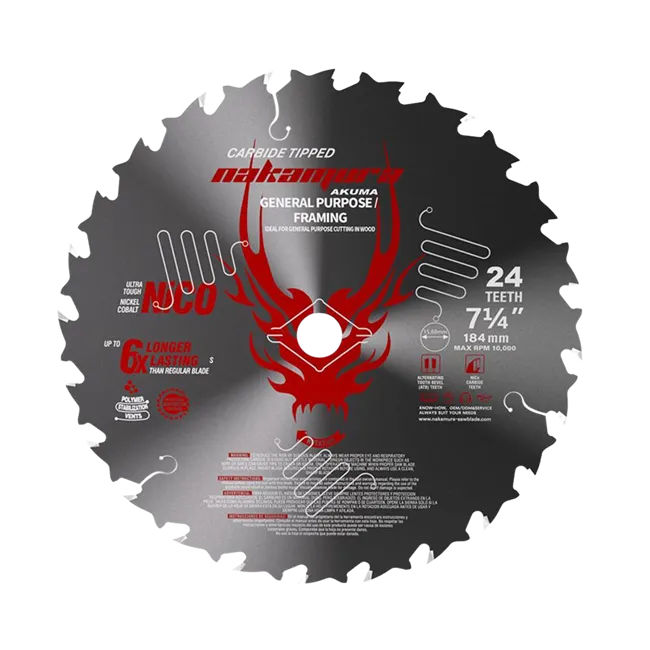
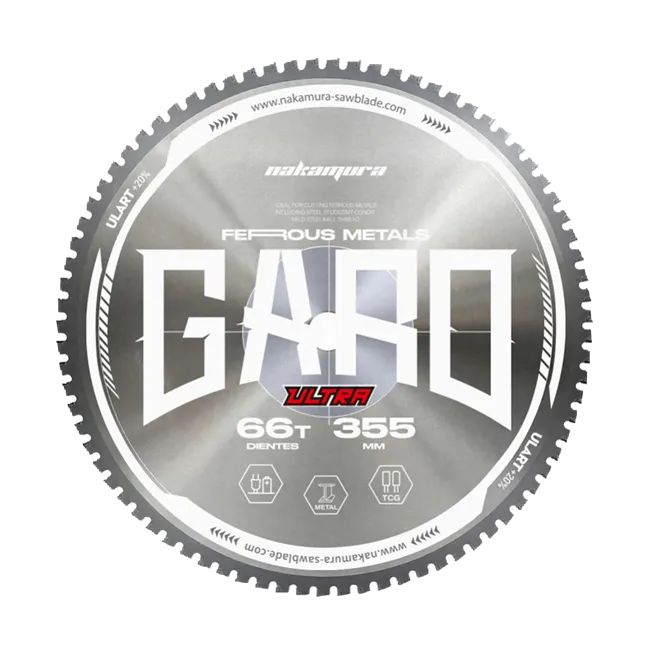
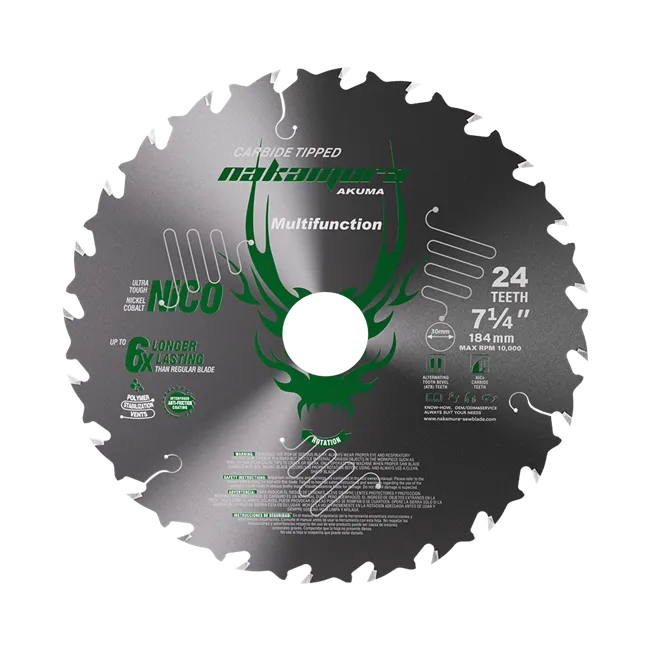
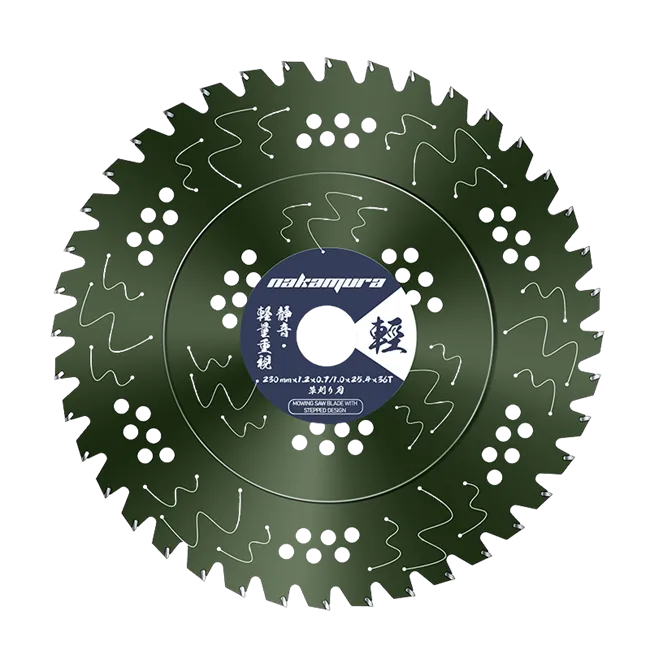
- Nakamura Carbide Circular Saw Blades - Engineered with heat dissipation slots, non-stick coatings, and heat-resistant carbide tips to effectively control chip accumulation, limit heat generation, and minimize burrs. Ideal for high-volume cutting of stainless steel, aluminum, and various metal profiles.
- Nakamura High-Speed Steel Circular Saw Blades - Molybdenum-enriched design effectively suppresses tooth chipping, making them suitable for intermittent cutting and unstable working conditions. Particularly well-suited for carbon steel, alloy steel, and tube cutting.

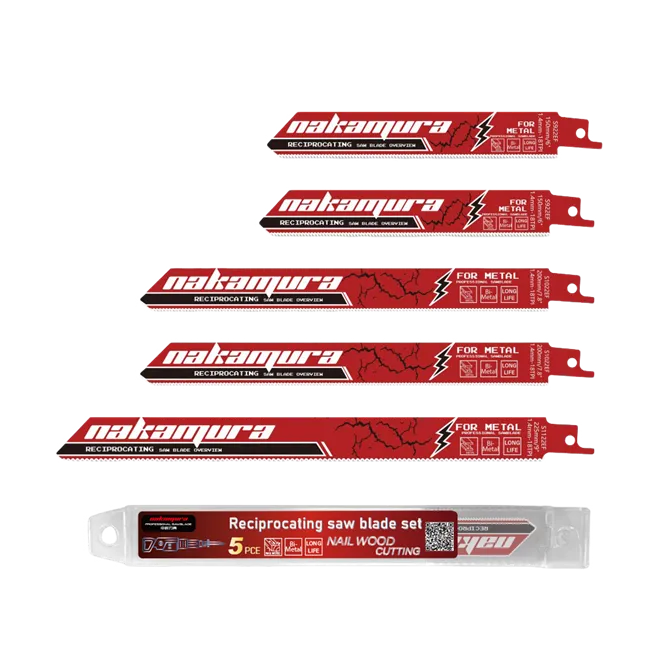
- Nakamura Reciprocating Saw Blades - Bi-metal construction combining the sharpness of a high-speed steel cutting edge with the toughness of a spring steel backing, with 8% cobalt content for extended service life. Built for heavy demolition and demanding cutting tasks, delivering maximum flexibility and cutting power.
4. Expert Advice
The golden rule of metal cutting saw blade selection is "the right blade for the right material." Use the wrong blade, and the cost per part can jump from $0.10 to $0.30 or more; choose correctly, and total cost drops significantly. Nakamura helps you find the blade that is "just right" -not just selling products, but delivering complete cutting solutions from selection to application.