


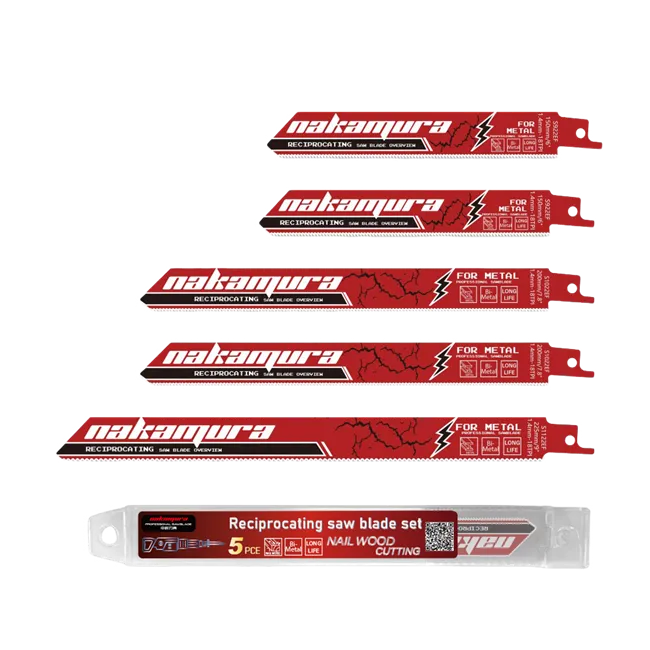
The terms "reciprocating" and "Sawzall" are often used in the context of power tools, specifically reciprocating saws. Here's the difference:
Reciprocating Saw:
1. Definition: A reciprocating saw is a type of power tool that uses a push-and-pull ("reciprocating") motion of the blade to cut through materials.
2. Design: It typically consists of a motor that drives a blade in a back-and-forth motion.
3. Uses: Reciprocating saws are versatile and can cut through a variety of materials, including wood, metal, plastic, and even masonry, depending on the blade used.
4. Blades: The blades are interchangeable, allowing users to select the appropriate blade for the material being cut.

Sawzall:
1. Definition: Sawzall" is a brand name that has become synonymous with reciprocating saws, much like "Kleenex" is for tissues. It is a trademarked name by Milwaukee Electric Tool Corporation.
2. Origin: The term "Sawzall" was coined by Milwaukee to describe their line of reciprocating saws. Over time, it has become a generic term used by many people to refer to any reciprocating saw, regardless of the brand.
3. Features: Sawzalls are known for their durability, power, and versatility, which has contributed to the brand's strong reputation.

Key Differences:
1. Terminology: "Reciprocating saw" is the general term for the type of tool, while "Sawzall" is a specific brand of reciprocating saw.
2. Branding: Not all reciprocating saws are Sawzalls, but all Sawzalls are reciprocating saws.
3. Perception: Due to the popularity and widespread use of Milwaukee's Sawzall, many people use the term "Sawzall" to refer to any reciprocating saw, even if it's made by a different manufacturer.