


Many contractors, installers, and DIY users ask the same question: Can a fiber cement saw blade cut curves?
The accurate answer is: fiber cement can be cut into curves, but a circular saw blade is not the best tool for following curved lines.
A fiber cement circular saw blade is mainly designed for straight cuts, cross cuts, rip cuts, and high-volume cutting. For curves, holes, pipe openings, window notches, or irregular shapes, it is usually better to use a jigsaw with a fiber cement blade, a hole saw, fiber cement shears, nibblers, or a step-cutting method followed by edge finishing.
Why Is Fiber Cement Difficult to Cut?
Fiber cement is a composite building material made with cement, reinforcing fibers, and mineral-based fillers. It is widely used for siding, backer board, cladding, and exterior building panels because it is durable, fire-resistant, weather-resistant, and low maintenance.
However, it is also a challenging material to cut. It is abrasive, it can dull ordinary blades quickly, and it may chip along the edge if the wrong blade or cutting speed is used. Cutting fiber cement also creates fine dust, so dust control and personal protection should always be part of the cutting process.
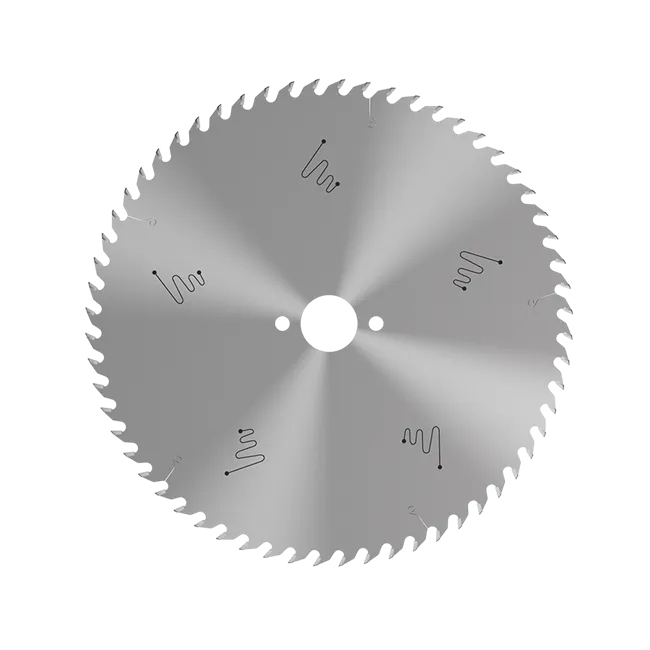
For straight cutting and jobsite production work, a dedicated PCD blade such as the PCD Fiber Cement Circular Saw Blade is a better choice than a regular wood blade. PCD teeth are engineered for abrasive cement-based boards and can provide longer life, cleaner tracking, and better productivity in fiber cement applications.
Can a Circular Fiber Cement Blade Cut Curves?
Technically, a circular saw can create rough curved shapes only in very limited situations, such as large-radius trimming or step cuts. But it should not be used like a jigsaw.
A circular saw blade has a rigid round body and is designed to move in a straight cutting path. If the operator forces it to turn, several problems can happen:
- The blade may bind in the cut;
- the board edge may chip or crack;
- the saw may kick back;
- the cutting line may become inaccurate;
- dust and debris may increase;
- the blade may wear faster.
For this reason, a fiber cement circular saw blade should be considered a straight-cutting tool. For true curves or detailed shapes, use a tool that can follow the curve safely.

Which Tool Should You Use?
1. Straight Cuts: Use a PCD Fiber Cement Circular Saw Blade
For cutting siding boards, backer board, exterior trim boards, or full-size panels, a circular saw with a dedicated PCD fiber cement blade is usually the most efficient option.
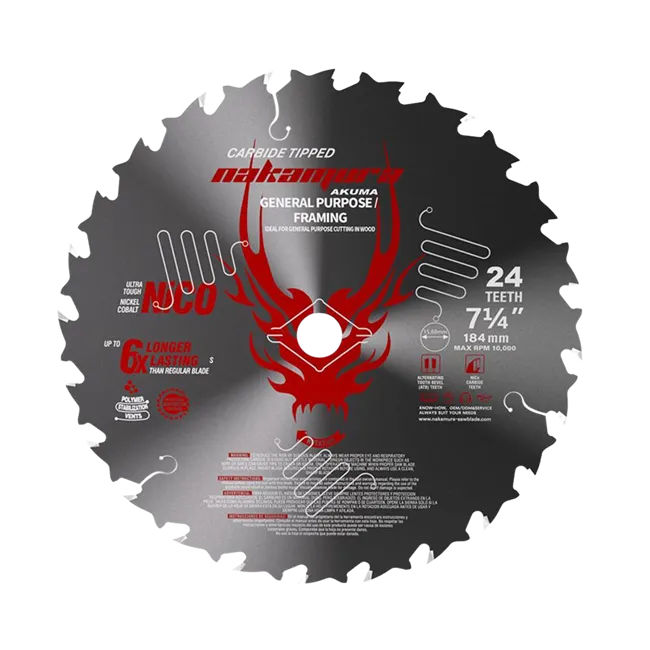
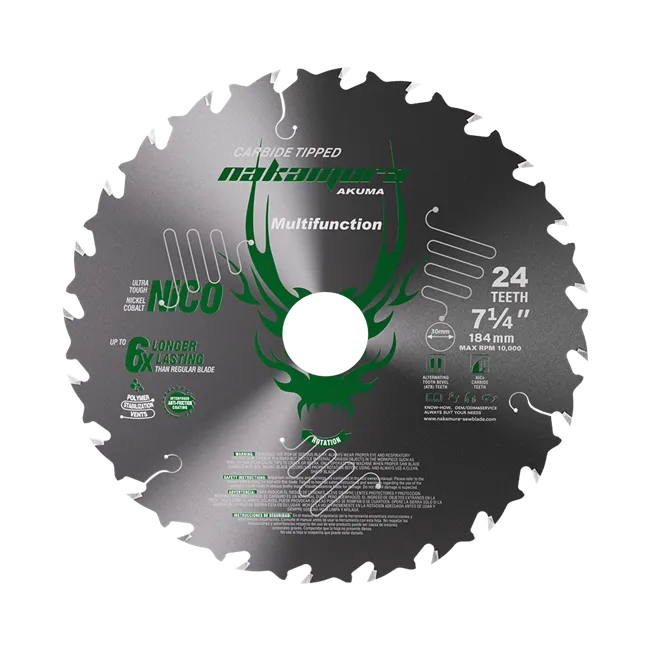
A blade such as the 7-1/4 Fiber Cement Blade is suitable for common jobsite circular saws. Its low-tooth PCD design and large gullets help reduce cutting resistance, improve chip evacuation, and maintain cleaner edges when cutting abrasive fiber cement materials.
Typical applications include:
- Cutting fiber cement siding;
- trimming backer board;
- cutting cement-based exterior panels;
- jobsite panel sizing;
- straight cross cuts and rip cuts.
2. Curves and Irregular Shapes: Use a Jigsaw or Shears
For curved cuts, window details, pipe openings, and irregular profiles, a jigsaw with a fiber cement cutting blade is usually more suitable. A jigsaw gives better control because the blade can follow a marked curve at a slower and more controlled feed rate.
For thinner siding materials, electric or pneumatic fiber cement shears can also be a good choice. Shears produce less dust than power saws, but the edge quality and cutting capacity depend on the material thickness and tool design.
3. Round Holes: Use a Carbide-Tipped Hole Saw or Diamond Hole Tool
For pipe holes, electrical box openings, or ventilation openings, do not try to force a circular saw blade into a round cut. Drill a starter hole first, then use a hole saw, diamond hole cutter, or a fiber cement-rated opening tool.
This method is safer and provides better control over the final opening size.
4. Small Notches or Local Trimming: Use Step Cuts or a Small PCD Blade
For small notches, short trimming cuts, or local edge adjustments, you can use step cuts and then finish the edge with a rasp or abrasive tool. A smaller PCD cutting blade may also help in some local cutting tasks.
For example, the 10T PCD Cutting Blade is designed for ultra-hard synthetic exterior materials, cement exterior materials, and other abrasive panels. When using this type of blade, keep the tool stable and avoid twisting the blade sideways inside the cut.
Practical Tips for Cutting Curves in Fiber Cement
- First, mark the cutting line clearly. For round or curved shapes, use a template, compass, or guide to keep the curve consistent.
- Second, do not force the tool. Fiber cement is abrasive and hard. Pushing too fast can cause chipping, overheating, blade deflection, and excessive dust.
- Third, drill a starter hole for internal cutouts. If the curve is inside the panel, drill an entry hole before using a jigsaw or hole saw.
- Fourth, use relief cuts for tight curves. For small-radius curves, make several short relief cuts and remove the waste gradually instead of forcing the blade around the curve.
- Fifth, finish the exposed edge. After cutting, follow the board manufacturer's instructions for sealing, painting, or protecting exposed edges.
- Sixth, control dust. Cut outdoors or in a well-ventilated area whenever possible. Use a saw with a dust port or shroud, connect dust extraction equipment, and wear proper eye, respiratory, and hearing protection. Do not dry sweep fiber cement dust after cutting.

PCD vs TCT vs Regular Diamond Blades
PCD fiber cement blades use polycrystalline diamond tips. They are highly wear-resistant and are designed for abrasive boards such as fiber cement siding, backer board, and cement-bonded panels. For professional users, PCD blades usually provide longer tool life and lower cost per cut compared with standard carbide blades.
TCT carbide blades can cut fiber cement in small-volume applications, but they usually wear much faster in abrasive cement-based materials. They may be acceptable for occasional cuts, but they are not the best long-term choice for contractors who cut fiber cement every day.
Regular continuous-rim diamond blades are not always the best option for fiber cement siding because they tend to grind the material rather than cut it cleanly. This can increase fine dust and reduce edge quality. For best results, choose a blade clearly marked for fiber cement, cement board, backer board, or abrasive exterior building panels.
Conclusion: Yes, Fiber Cement Can Be Cut Into Curves, But Use the Right Tool
Fiber cement can be cut into curves, but the right method depends on the shape of the cut.
For straight cuts and high-volume jobsite cutting, use a dedicated PCD fiber cement circular saw blade.
For curves, holes, and detailed cutouts, use a jigsaw, hole saw, shears, nibblers, or step-cutting method.
For professional contractors, PCD tooling is usually the better choice because it provides longer life, more stable cutting, and fewer blade changes in abrasive fiber cement applications.
As a professional saw blade supplier, we can provide PCD fiber cement blade solutions based on your material thickness, saw type, arbor size, tooth design, packaging requirements, and OEM branding needs.