


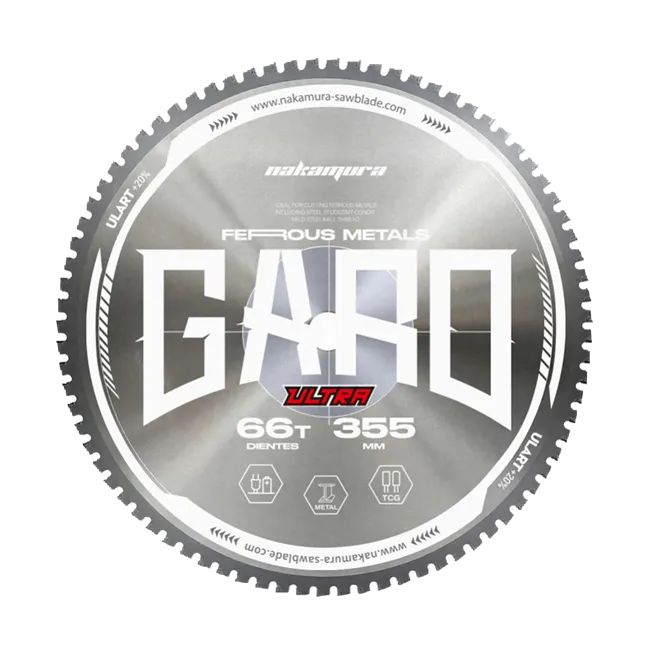
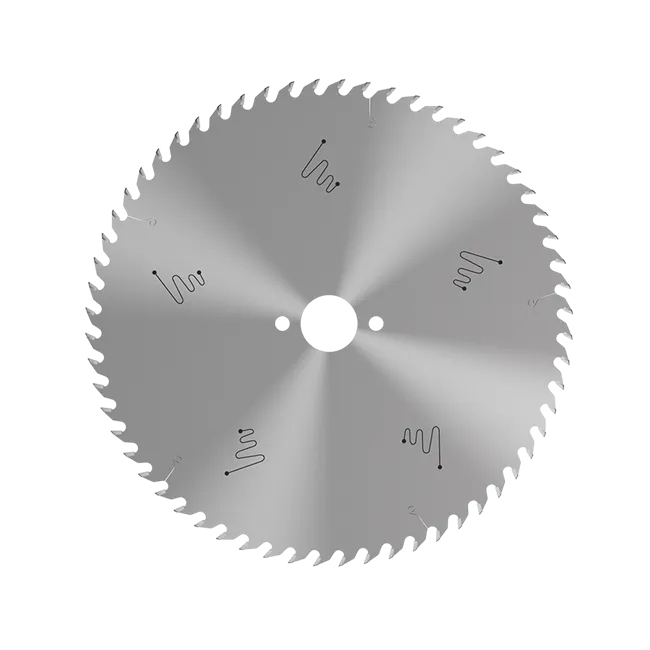


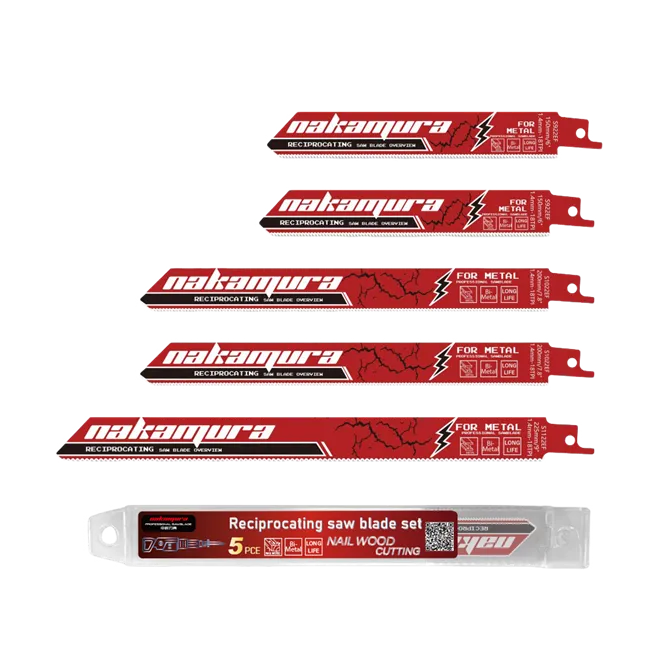

Carbide tipped saw blades are widely used for cutting wood, engineered panels, fiber cement board, landscaping materials, and other demanding materials. After repeated use, the teeth and gullets of the blade can collect resin, pitch, glue, sawdust, mineral dust, grass sap, or metal chips. If this buildup is not removed, the blade may cut slower, generate more heat, leave burn marks, and wear faster.
In many cases, a saw blade is not truly dull. It is simply dirty. Proper cleaning can help restore cutting efficiency, reduce friction, protect the saw motor, and extend blade life.
Why Cleaning Carbide Tipped Saw Blades Matters
During cutting, residue builds up around the carbide teeth, tooth face, side clearance, and gullets. This buildup can cause several problems:
1. Higher cutting resistance
Resin, pitch, and dust increase friction between the blade and the material.
2. More heat during cutting
Excessive heat can reduce cut quality and accelerate tooth wear.
3. Poorer cutting results
A dirty blade is more likely to create burn marks, rough edges, tear-out, and unstable cuts.
4. Wrong judgement of blade condition
Some blades that appear dull can perform much better after proper cleaning.
Tools You Need
Before cleaning a carbide tipped saw blade, prepare the following items:
- A shallow cleaning tray or pan
- Dedicated saw blade cleaner or warm water with mild detergent
- Nylon brush, soft-bristled brush, or soft brass brush
- Cut-resistant gloves
- Chemical-resistant cleaning gloves
- Eye protection
- Clean rags or paper towels
- Rust preventative, dry lubricant, or blade-safe protective spray
Avoid strong caustic cleaners, oven cleaners, or aggressive chemicals. These products may damage the blade coating, affect the brazed joint, or reduce the long-term reliability of the carbide tips.
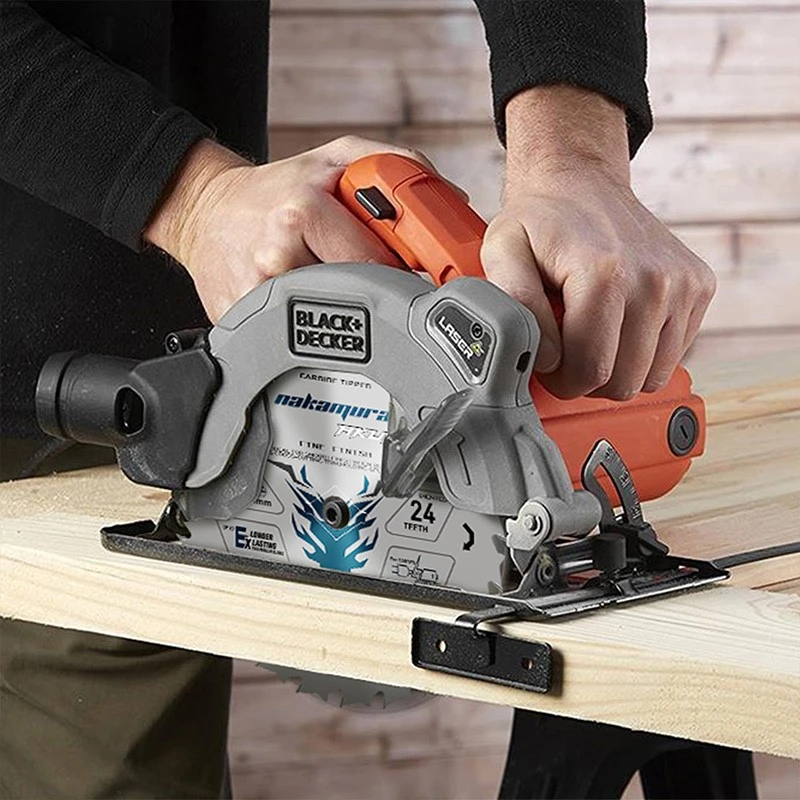
Step-by-Step Cleaning Process
1. Disconnect the Tool and Remove the Blade
Always disconnect the tool before handling the blade. Unplug corded saws and remove the battery from cordless saws. Then remove the blade according to the tool manufacturer's instructions.
2. Inspect the Blade First
Before cleaning, check the blade carefully for:
- Chipped or missing carbide tips
- Cracks in the steel body
- Warping or deformation
- Damaged tooth seats
- Clogged gullets
- Heavy coating damage
If the blade has structural damage, do not continue using it. Cleaning removes residue, but it cannot repair cracks, missing tips, or severe deformation.
3. Soak the Blade in a Shallow Tray
Place the blade flat in a shallow tray and apply the cleaning solution. Let it soak for about 10–15 minutes to loosen resin, pitch, and dust. For heavily contaminated woodworking blades, a dedicated pitch and resin remover is recommended.
Avoid placing the blade in a deep bucket where the teeth may hit the container or other tools.
4. Brush the Teeth and Gullets Gently
Use a nylon brush, soft brush, or soft brass brush to clean the teeth, gullets, and both sides of the blade. Focus on:
- Tooth face
- Tooth side clearance
- Gullet area
- Tooth root
- Resin buildup near the cutting edge
Do not use a steel wire brush aggressively on the blade. It may scratch the blade body, damage the coating, or affect the cutting edge.
5. Rinse and Dry Completely
After brushing, rinse the blade briefly with clean water if a water-based cleaner is used. Then dry it completely with a clean cloth. Pay attention to the gullets, arbor hole, and tooth area, where moisture may remain.
Moisture left on the blade can cause rust, especially on uncoated steel surfaces.
6. Apply Light Protection Before Storage
If the blade will be stored after cleaning, apply a light rust preventative or dry lubricant to the blade body. Do not leave heavy oil on the teeth, as it may contaminate the workpiece during the next cut.
7. Reinstall or Store the Blade Properly
Once the blade is clean and dry, reinstall it carefully or store it in a blade sleeve, individual package, or dry cabinet. Avoid stacking bare blades directly against each other, as this may chip the carbide teeth.

Cleaning Tips for Different Blade Types
Woodworking Carbide Tipped Saw Blades
Woodworking blades usually collect pitch, resin, glue, and fine wood dust. This is especially common when cutting pine, plywood, MDF, OSB, laminated panels, or treated timber. For these blades, focus on cleaning the gullets and the sides of the carbide teeth.
For wood, plywood, OSB, MDF, and general woodworking applications, you can check our 184MM Circular Woodworking Saw Blade. When maintaining this type of blade, pay close attention to pitch and glue buildup around the teeth.
Metal Cutting Saw Blades
Metal cutting blades can collect metal chips, coolant residue, wax lubricant, and oxidation. First remove loose chips with a soft brush or compressed air. Then clean the blade according to the type of residue. After cleaning, always dry the blade completely and apply suitable rust protection.
If the teeth are chipped, cracked, or producing abnormal sparks during cutting, stop using the blade and check whether it is suitable for the material being cut.
Fiber Cement and Abrasive Material Blades
Fiber cement board, cement-based panels, and mineral materials produce fine abrasive dust. Many fiber cement blades use PCD teeth rather than standard carbide tips. The key maintenance point is to remove dust from the blade body and gullets and inspect the teeth for damage.
For fiber cement board and abrasive sheet materials, you can view our 305mm Fibre Cement Saw Blade. This type of PCD blade is designed for abrasive cutting applications, so regular dust removal and tooth inspection are important.
Landscaping and Brush Cutter Blades
Landscaping blades often collect grass sap, mud, plant fiber, and resin. After use, remove plant residue and soil first, then wipe the blade dry. Also check for cracks, deformation, dull edges, and arbor hole wear.
For clearing dense grass, brushwood, brambles, and small saplings, you can check our Steel Blade Weed Eater. This type of blade is intended for brush cutting and landscaping use, and should not be mixed with standard woodworking circular saw blades.
How Often Should You Clean a Saw Blade?
There is no single fixed cleaning interval for every blade. Instead, clean the blade when you notice any of the following signs:
- Cutting requires more force than usual
- Burn marks appear on the workpiece
- The blade runs hotter than normal
- Sawdust or chips do not clear smoothly
- Resin or dust buildup is visible on the teeth
- Cut quality becomes rough
- The saw motor feels overloaded
If you frequently cut resinous wood, MDF, plywood, fiber cement board, or other dusty materials, the blade should be cleaned more often. For industrial users, it is helpful to build a regular inspection and cleaning schedule.

Cleaning Is Not Sharpening
Cleaning removes residue from the blade, but it does not restore a worn or damaged cutting edge. If the blade still cuts poorly after cleaning, the carbide tips may be worn, chipped, or out of shape. In that case, the blade may need professional sharpening or replacement.
Conclusion
Proper cleaning is one of the simplest ways to extend the life of carbide tipped saw blades and maintain stable cutting performance. For contractors, woodworking shops, distributors, and OEM buyers, blade maintenance directly affects cutting quality, tool life, and jobsite efficiency.
By choosing the right blade for the right material and maintaining it correctly, you can reduce downtime, improve cutting results, and get more value from every blade. If you are sourcing woodworking blades, PCD fiber cement blades, or landscaping cutting blades, contact us for specification support, OEM packaging options, and bulk procurement solutions.