

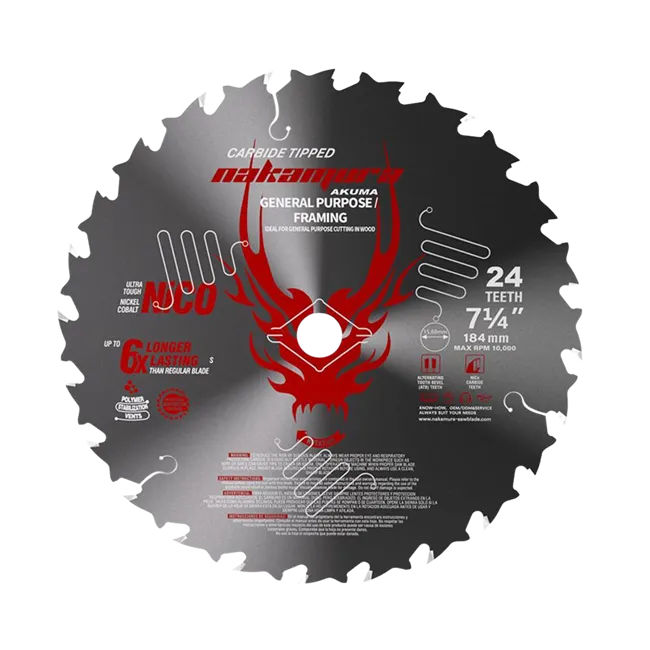
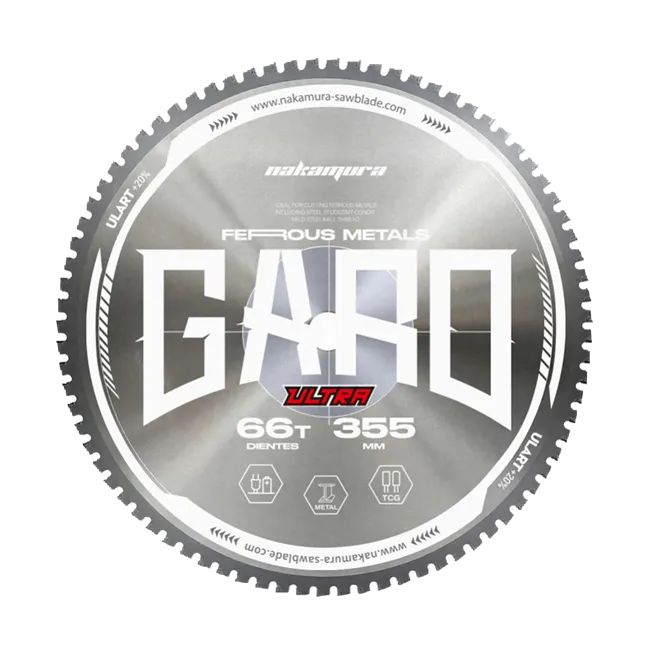
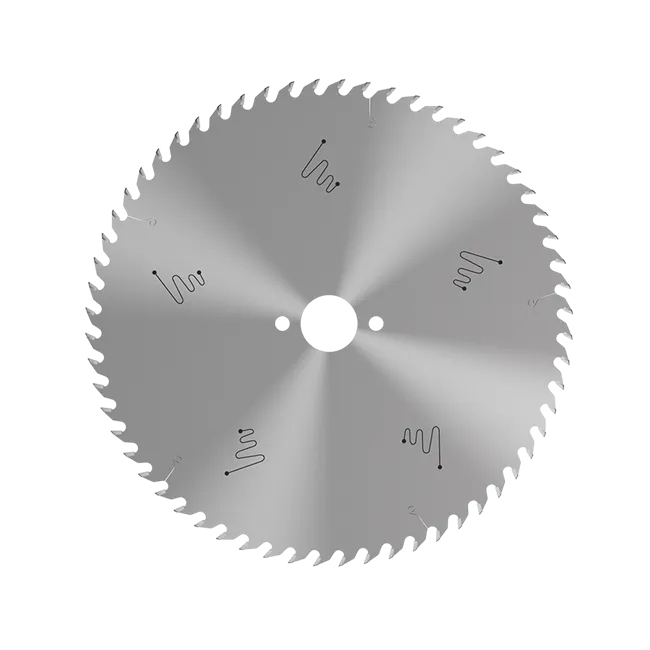
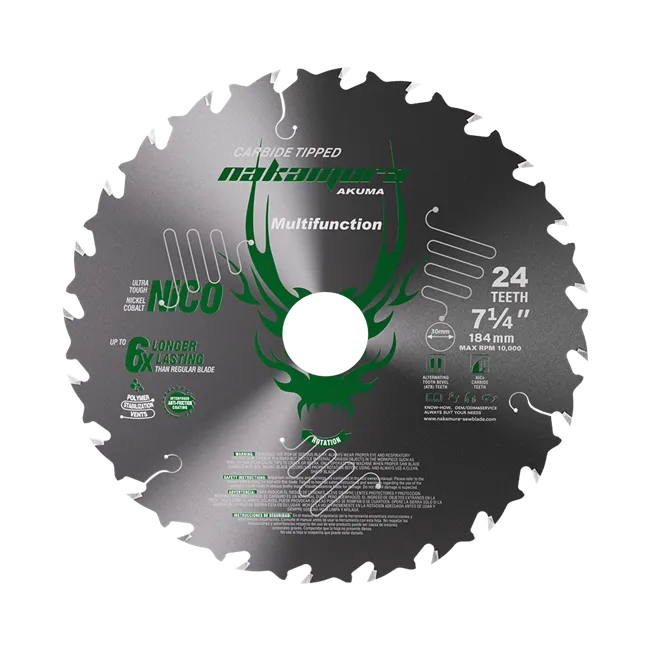

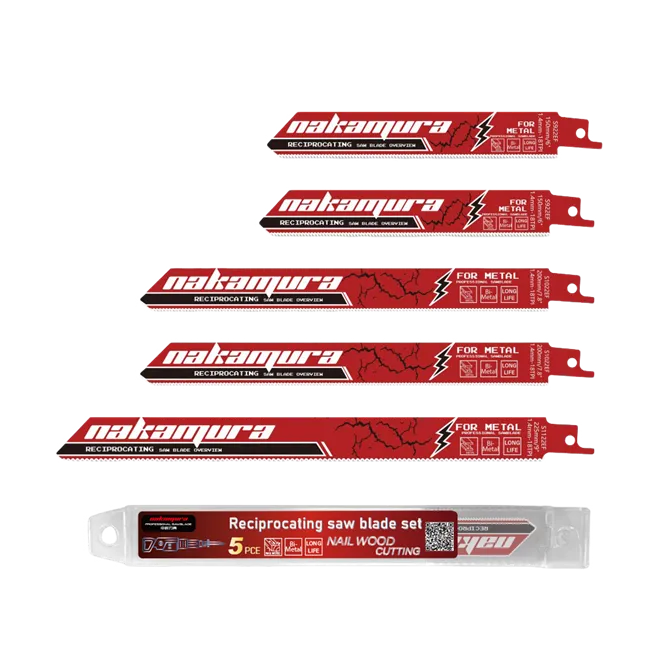
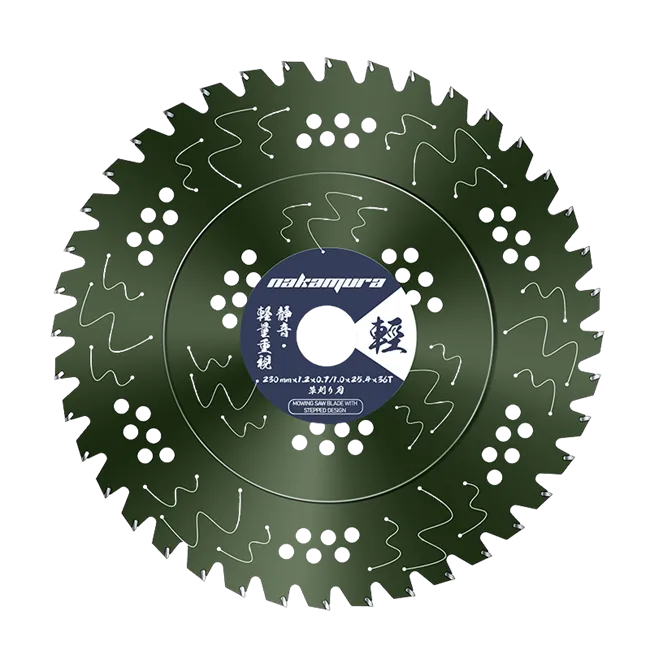
A metal cutting carbide saw blade is a circular cutting tool designed to cut metal materials with higher speed, cleaner edges, and longer service life than conventional abrasive wheels or standard steel blades. Instead of relying on friction to grind through the workpiece, a carbide-tipped or cermet-tipped metal saw blade uses precision-ground teeth to shear the material and remove chips efficiently.
For metal fabrication shops, construction contractors, OEM manufacturers, and industrial distributors, choosing the correct metal cutting saw blade can directly affect cutting efficiency, burr formation, heat generation, blade life, and overall production cost.
How a Metal Cutting Carbide Saw Blade Is Built
A typical metal cutting carbide saw blade consists of two key parts: the steel body and the cutting tips.
The steel body is usually made from hardened and tensioned alloy steel. It provides the stability needed for straight cutting, reduced vibration, and consistent performance at high rotational speed. Expansion slots or laser-cut slots may also be used to reduce heat stress and improve cutting stability.
The cutting tips are brazed onto the blade teeth. Depending on the application, these tips may be carbide or cermet. Carbide tips are widely used for cutting aluminum, non-ferrous metals, and certain steel applications. Cermet tips are often used for ferrous metal cutting because they provide good heat resistance, wear resistance, and edge stability during dry cutting.
For example, Nakamura's Cold Cut Metal Saw Blade is designed with cermet/carbide tooth tips, BT teeth, and applications such as angle steel, spiral steel pipe, and round pipe.
Carbide Blade vs. Abrasive Wheel
Many users still cut metal with abrasive discs, especially in jobsite applications. However, a metal cutting carbide saw blade works in a different way.
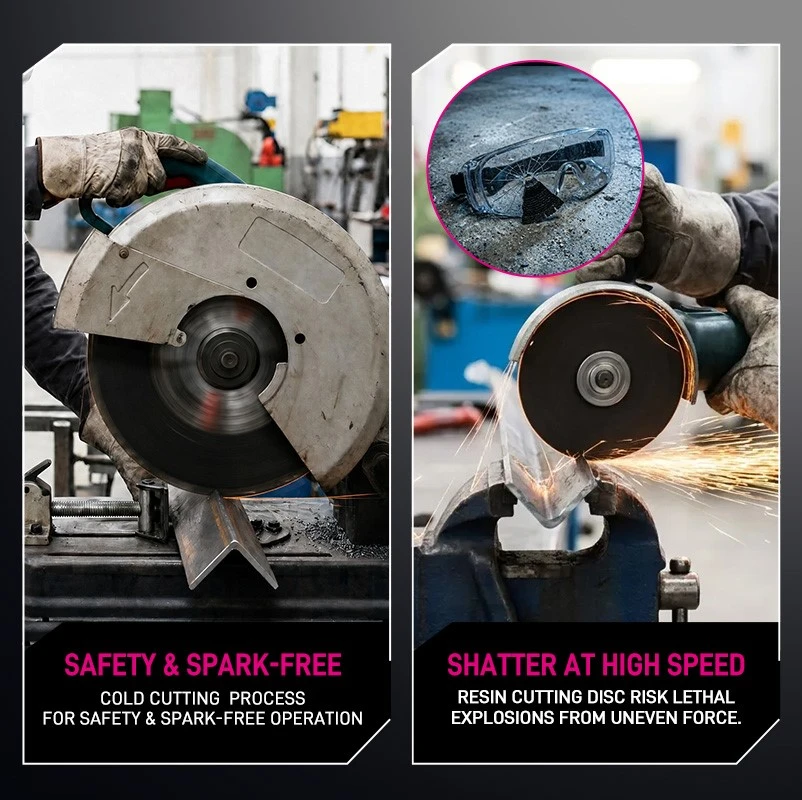
An abrasive wheel removes material by friction. This usually creates more heat, more sparks, more dust, and a rougher edge. A carbide-tipped or cermet-tipped circular saw blade cuts by tooth engagement and chip removal. When the correct blade and machine are used, the result is often a faster cut, lower heat, fewer sparks, and a cleaner edge with less secondary finishing.
This is why carbide and cermet metal cutting blades are widely used in metal fabrication, pipe cutting, steel structure processing, and industrial production lines.
What Materials Can It Cut?
A metal cutting carbide saw blade can be designed for different types of metal, but one blade is not suitable for every material.
For ferrous metals, such as mild steel, steel pipe, angle iron, rebar, channel steel, conduit, and flat stock, a dedicated steel cutting blade is recommended. These blades usually use a tooth geometry that controls chip size and reduces burrs.
Nakamura's Steel Cutting Circular Saw Blade is designed for ferrous metal cutting and features cermet/carbide tips, triple chip grind, laser-cut expansion slots, and a tensioned steel plate.
For stainless steel, blade selection must be more careful because stainless steel is harder to cut, work-hardens easily, and generates more heat during cutting. A blade for stainless steel should have high heat resistance, strong tooth support, and a geometry suitable for controlled feeding.
For aluminum and other non-ferrous metals, the blade should be optimized for anti-sticking performance and smooth chip evacuation. Aluminum is softer than steel, but it can easily load up the teeth if the blade design is not suitable. A high-tooth-count blade with the right tooth shape can help produce a clean, smooth finish.
Tooth Design Matters
The tooth design is one of the most important factors in metal cutting performance.
A blade with more teeth generally produces a smoother cut and is suitable for thin-wall tubes, aluminum profiles, and applications that require better edge quality. A blade with fewer teeth usually cuts faster and offers more chip clearance, but the finish may be rougher.
For metal cutting, tooth geometry is more important than simply choosing more or fewer teeth. Common designs include triple chip grind, BT teeth, and other reinforced tooth profiles. These designs help the blade handle hard materials, reduce tooth chipping, and control cutting heat.
The correct tooth count also depends on the wall thickness of the material. As a general rule, multiple teeth should be engaged in the material during cutting. If too few teeth contact the workpiece, the blade may vibrate or chip. If too many teeth contact the material, the blade may overheat or cut slowly.

Matching the Blade to the Machine
A metal cutting carbide saw blade must be matched with the correct saw.
Before use, check the blade diameter, bore size, kerf, plate thickness, maximum RPM, and machine type. The blade's rated maximum RPM must be higher than the machine's operating speed. The blade must also fit the saw arbor correctly and be secured with the proper flange.
For dry metal cutting, users should also make sure the machine has enough power, stable clamping, and proper guarding. Metal cutting generates chips, so eye protection, gloves, and safe chip control are essential.
A blade designed for aluminum should not be used as a substitute for a steel cutting blade. Likewise, a general-purpose blade should not be used for heavy stainless steel production cutting unless the blade is specifically rated for that material.
Choosing the Right Metal Cutting Carbide Saw Blade
When selecting a blade, start with the material you need to cut. Steel, stainless steel, aluminum, copper, and mixed materials require different blade designs.
Next, check the material shape and thickness. Cutting thin-wall tube is different from cutting solid bar, rebar, angle steel, or plate. The blade must have the correct tooth count and chip clearance for the section being cut.
Then confirm the machine specifications. A 10-inch blade, 14-inch blade, and 355mm cold cut blade are not interchangeable unless the machine is designed for that size and bore.
For users who need a compact blade for general metal cutting applications, Nakamura's 10 Inch Metal Cutting Circular Saw Blade is designed with carbide-tipped teeth and an 80-tooth configuration for clean and accurate metal cutting.
Maintenance and Blade Life
A good carbide saw blade can last much longer than a standard steel blade or abrasive disc, but blade life depends heavily on correct use.
After cutting, remove metal chips and debris from the blade. Do not allow chips to build up around the teeth. Store the blade in a dry place and avoid impact damage to the tips. During cutting, avoid excessive feed pressure. Let the teeth cut at the correct speed instead of forcing the blade through the material.
If the cut becomes rough, the machine vibrates, the blade overheats, or burrs increase significantly, the blade may be dull, damaged, or incorrectly matched to the material.

Conclusion
A metal cutting carbide saw blade is not just a harder version of a standard saw blade. It is a precision cutting tool designed around material type, tooth geometry, blade body stability, heat control, and machine compatibility.
For professional metal cutting, the right blade can reduce sparks, improve edge quality, increase cutting speed, and lower the total cost per cut. Whether you are cutting steel pipe, angle iron, aluminum profile, or stainless steel, choosing the correct carbide or cermet-tipped blade is the key to stable and efficient cutting performance.
As a professional saw blade supplier, Nakamura provides metal cutting solutions for distributors, OEM customers, metal fabrication shops, and industrial users. If you are looking for a suitable metal cutting carbide saw blade, our team can help you choose the right specification based on your material, machine, and cutting requirements.