



As a landscaping tool supplier, I frequently get asked by clients: "Can a steel blade weed eater be used for cutting low-lying grass?" To ensure both your operational efficiency and personal safety, let's systematically break down this topic today and explore how to correctly use weed-clearing tools in areas with low vegetation.
First, we need to clarify the tool's intended purpose. A weed eater equipped with a steel blade (commonly referred to in the professional field as a brushcutter) is a "heavy-duty" landscaping tool. It is originally designed to tackle tough weeds, dense brush, reeds, and even small saplings, and is known for its durability and high cutting power.
The "Golden Partner" for Low Grass vs. Specific Use Cases for Steel Blades
If you are dealing with a standard, soft, low-lying lawn, nylon trimmer line is absolutely the best choice. The airflow generated by the trimmer line spinning at high speeds lifts the grass blades and snaps them off cleanly. It's highly efficient and leaves a smooth, even cut. In contrast, when faced with soft, low grass, a steel blade tends to "push down" or "glide over" the grass rather than cutting it, resulting in a jagged, uneven appearance.
So, are steel blades completely useless in low-grass areas? Not entirely. In the following specific low-vegetation scenarios, steel blades offer irreplaceable advantages:
- Presence of tough weeds and woody vines: Sometimes low-lying vegetation hides tough weed stalks, small twigs, or thorny vines. Trimmer line easily breaks when hitting these, whereas a steel blade can slice through them effortlessly.
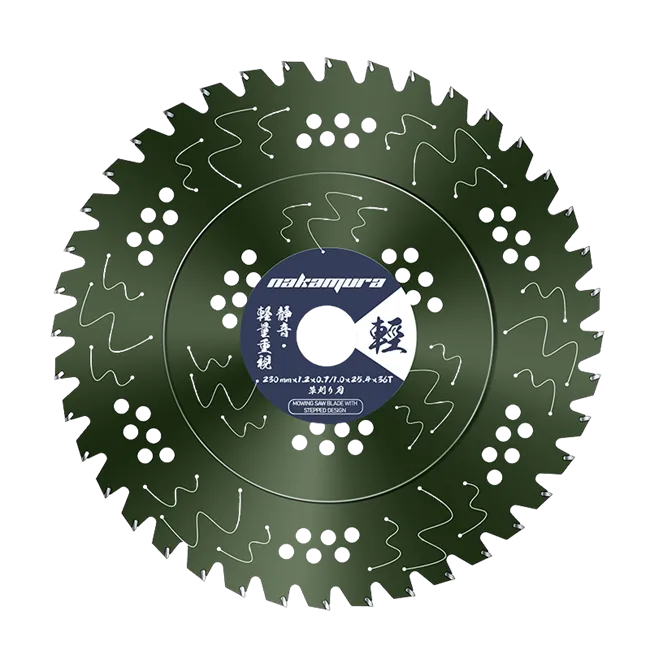
- Clearing the base of overgrown lots: When doing a thorough "ground-level" clearing of long-neglected wasteland, 255mm Lawn Mower Blade can effectively remove thick stems and roots close to the surface.

The Safety Bottom Line You Must Remember: Choosing the Right Metal Blade
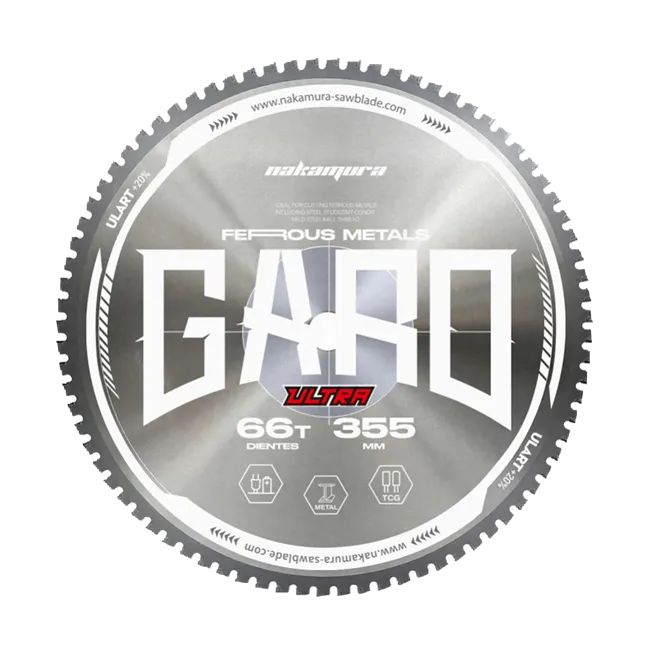
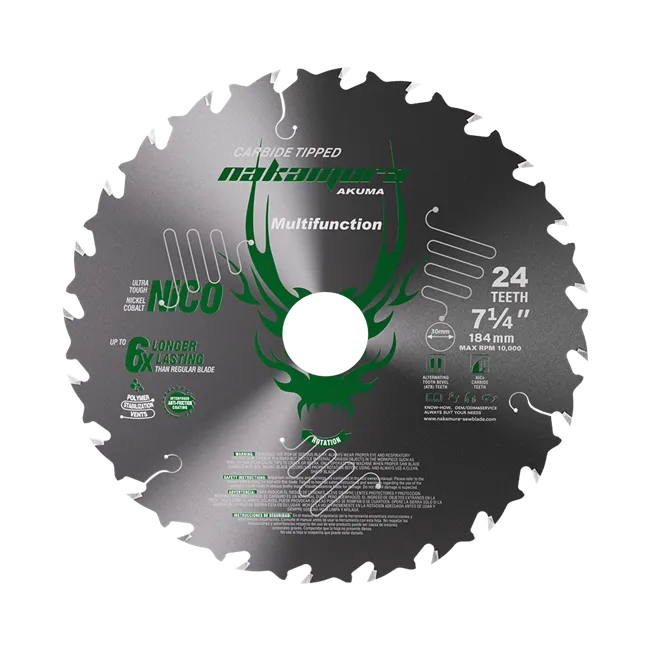
Here, I must specifically emphasize a fatal safety misconception: Never install standard woodworking circular saw blades, aluminum cutting blades, or multi-material cutting blades on a weed eater! Weed eaters operate at extremely high RPMs and lack the enclosed safety guards of a circular saw. When standard saw blades hit a rock, the carbide tips can easily shatter and fly off like shrapnel, causing lethal injuries.
In low and complex areas, please make sure to use metal blades specifically designed for brushcutters:
- 3-Tooth / 4-Tooth Manganese Steel Blades: This is the most versatile choice, suitable for cutting thicker weeds and soft brush. They are less prone to tangling and provide good visibility when operating in low grass.
- Dedicated Anti-Kickback Alloy Circular Blades (Brushcutter Specific): These blades have more teeth and are specifically designed for cutting thumb-thick small shrubs and hard stalks. Their specialized anti-kickback design significantly improves operational safety. Such as Saw Blade On Lawn Mower , Weed Wacker Cutting Blades.

Operational Tips and Pitfalls to Avoid in Low-Grass Areas
Using a steel blade weed eater in low areas differs slightly from cutting tall grass. You need to keep the following points in mind:
- Use the harness to control height: A handheld weed eater itself does not have a "height adjustment knob." To prevent the blade from scraping the ground, you must properly wear and adjust the shoulder harness. Suspend the machine at the correct height and use the rotation of your torso to swing the tool, rather than relying solely on your arms to hold it up.
- Beware of kickback and fire risks: When the blade works close to the ground, it is highly likely to hit hidden rocks or hard clumps of dirt. This not only causes the machine to bounce violently (kickback, which can make the operator lose balance), but the sparks generated can also start a fire during dry seasons. Therefore, always clear the area before working, removing large rocks, wire, and other obstacles.
- Routine maintenance: Frequent hard impacts will dull the blade. After each use, clean the mud and plant sap off the blade. Regularly inspect the blade for cracks and use a file to sharpen it according to the factory angle to maintain cutting efficiency.
Conclusion
In summary, steel blade weed eaters have their specific applications in low-vegetation areas; the key is to "suit the tool to the terrain and choose the right blade." Understanding the physical properties and safety limits of your tools will make your landscaping work much more efficient and secure.
If you are looking for the right tools for your yard or professional landscaping projects-whether you need a highly efficient trimmer head or a safe, durable steel brushcutter blade-I would be more than happy to chat with you. Feel free to reach out to us at any time, and let us match you with the most professional and safe cutting solutions!