



The Thermodynamics and Kinematics of PVC Cutting: Advanced Engineering for Carbide Saw Blades
In the modern construction, plumbing, and electrical manufacturing industries, Polyvinyl Chloride (PVC) and other synthetic polymers are ubiquitous. However, processing these high-density plastics presents severe thermodynamic challenges. Procurement engineers and fabrication facility managers often seek the optimal cutting solutions to prevent material shattering, toxic thermal melting, and premature tool degradation. Understanding the precise metallurgy, advanced manufacturing processes, and exact tooth geometry of carbide saw blades is essential for maximizing operational yield and safety.
The Viscoelastic Challenge and Material-Specific Engineering
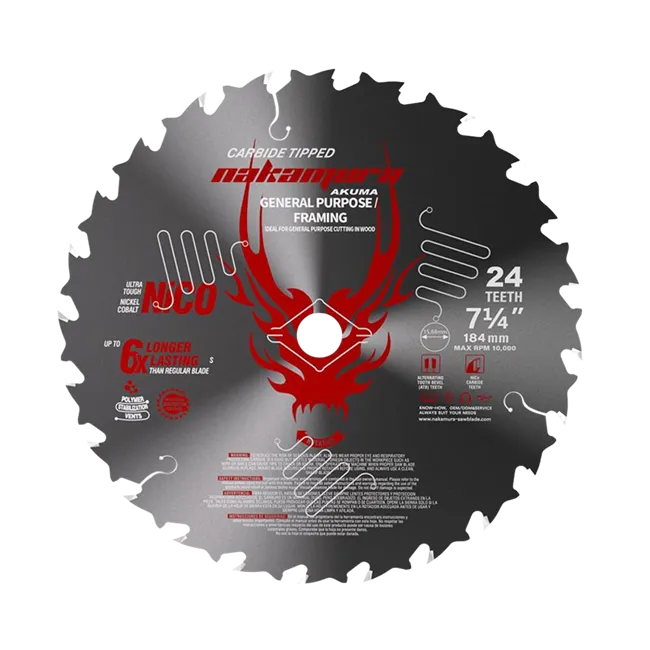
Unlike natural timber or ferrous metals, PVC possesses unique viscoelastic properties. When exposed to concentrated frictional heat, PVC rapidly transitions from a rigid solid to a viscous melt. To prevent this catastrophic thermal accumulation, the cutting tool must be meticulously engineered for synthetic substrates. Deploying a specialized 7 1 4 Circular Saw Blade For Plastic guarantees the exact mechanical approach required. In elite manufacturing environments, the tungsten carbide tips on these blades are no longer attached using outdated hot-press methods. Instead, they are fused to the alloy steel plate utilizing state-of-the-art laser welding technology. This molecular bond ensures the teeth can withstand severe mechanical shock and continuous thermal cycling without shearing off, offering unparalleled longevity in industrial PVC fabrication.
Tooth Geometry: The Necessity of TCG and Negative Rake
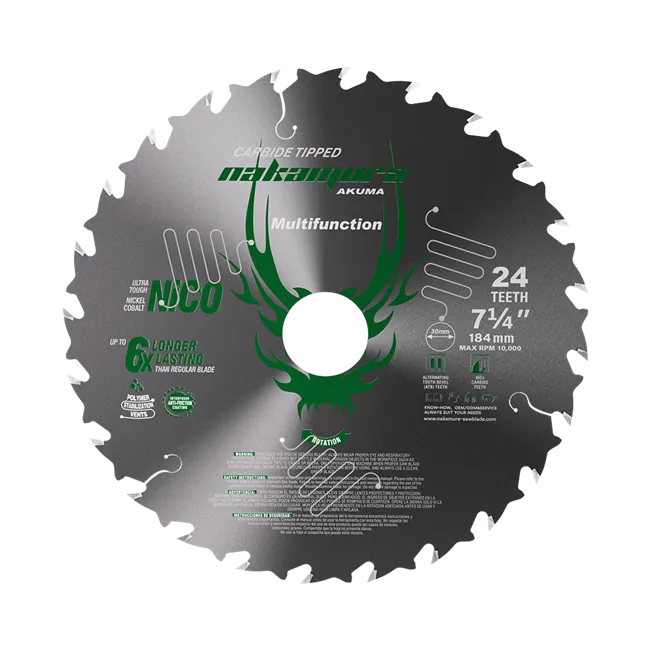
A pervasive and dangerous misconception in the industry is that standard Alternate Top Bevel (ATB) or Flat Top Grind (FTG) configurations are suitable for dense plastics. While effective for wood, these geometries aggressively grab brittle PVC, causing severe edge chipping or lethal kickback. The absolute industrial standard for polymers is the Triple Chip Grind (TCG). Tools such as the Multipurpose Saw Blade 190mm utilize this TCG configuration to actively shear the plastic matrix rather than tearing it. When combined with a negative or zero rake angle (typically -5°), the blade effortlessly controls the feed rate, preventing the material from self-feeding and shattering.
Cross-Functional Applications in Non-Ferrous Machining
Facility managers frequently require versatile tooling capable of handling both synthetic polymers and non-ferrous metals without changing blades. Interestingly, the metallurgical and geometric requirements for cutting aluminum closely mirror those for high-density PVC. An Aluminum Circular Saw Blade is exceptionally effective for heavy-duty plastic applications. Its laser-welded carbide tips, engineered with a TCG profile and a negative hook angle, minimize the cutting impact force. This structural synergy allows industrial fabricators to seamlessly transition between cutting aluminum extrusions and thick-walled PVC pipes with pristine, burr-free finishes.
Operational Kinematics: Optimizing the Feed Rate
The operational parameters dictated by the machine operator are just as critical as the blade's engineering. A fatal error often propagated in general woodworking forums is the recommendation to "feed slowly" when cutting plastics. Because PVC has a very low melting point, hesitation or an excessively slow feed rate generates immense, localized frictional heat. This friction instantly melts the plastic, permanently fusing it to the laser-welded carbide tips (destroying the blade's clearance angle and rendering it useless). Operators must maintain a steady, continuous feed rate. A decisive feed ensures that the blade continuously bites into new, cool material, allowing the forcefully evacuated chips to carry the thermodynamic heat away from the cutting zone.


Harmonic Resonance and Machine Calibration
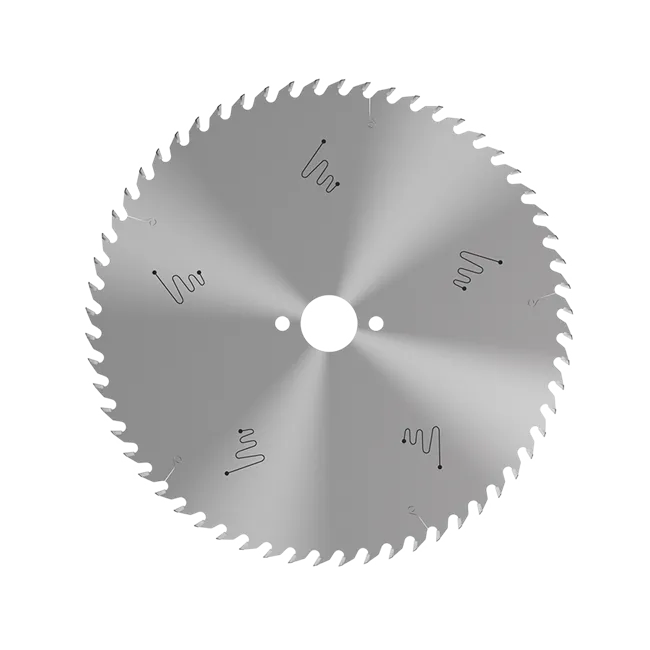
High-RPM processing of dense PVC pipes or thick synthetic plates induces intense kinetic vibration. Unmanaged harmonic resonance not only destroys the surface finish (leaving heavy chatter marks) but also accelerates carbide wear. Premium industrial blades incorporate precision laser-cut expansion slots infused with acoustic-dampening polymers. These slots dynamically absorb the thermal expansion of the steel core and dampen structural ringing, ensuring the blade remains perfectly flat under heavy torque. Furthermore, operators must ensure exact arbor size matching; even a millimeter of deviation can cause severe runout and blade binding.
Conclusion for B2B Procurement
Selecting the optimal carbide saw blade for PVC cutting is an exact science governed by thermal dynamics and chip formation mechanics. Professional operations must prioritize laser-welded structural integrity, TCG tooth geometries, and strict adherence to negative hook angles. By aligning these engineering specifications with rigorous machine calibration, industrial fabricators can guarantee strict safety compliance, eliminate material waste, and maximize overall production efficiency.