

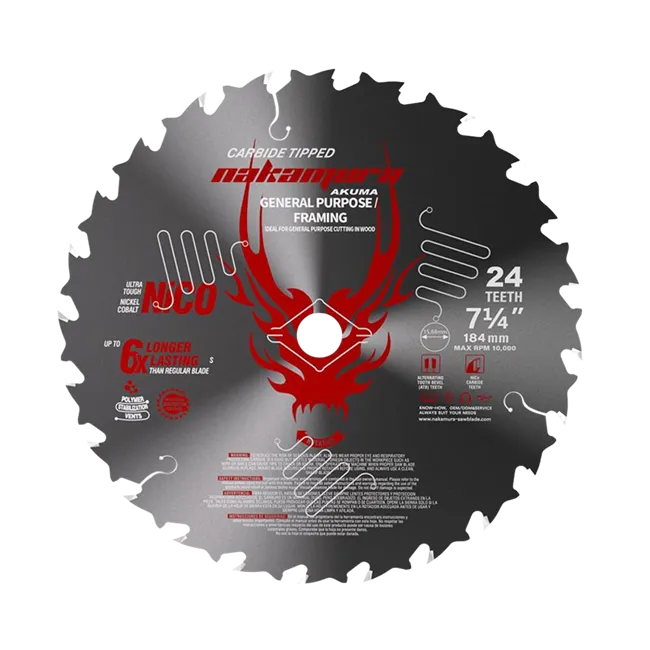
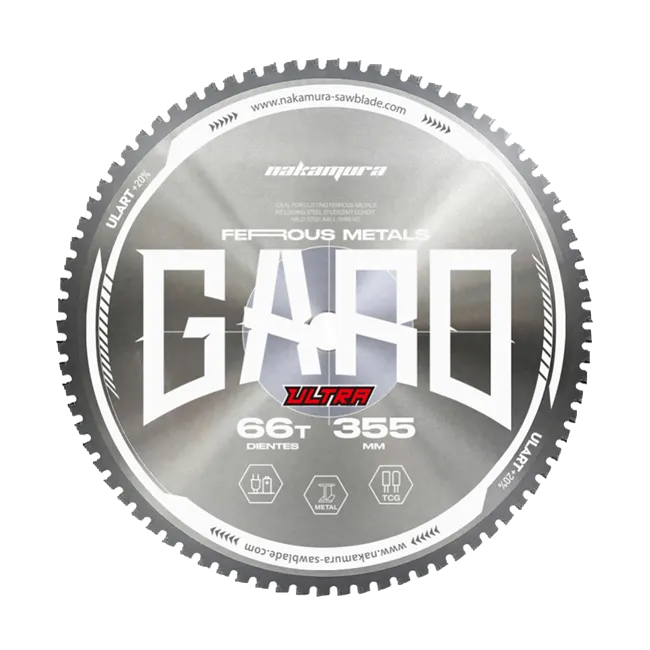


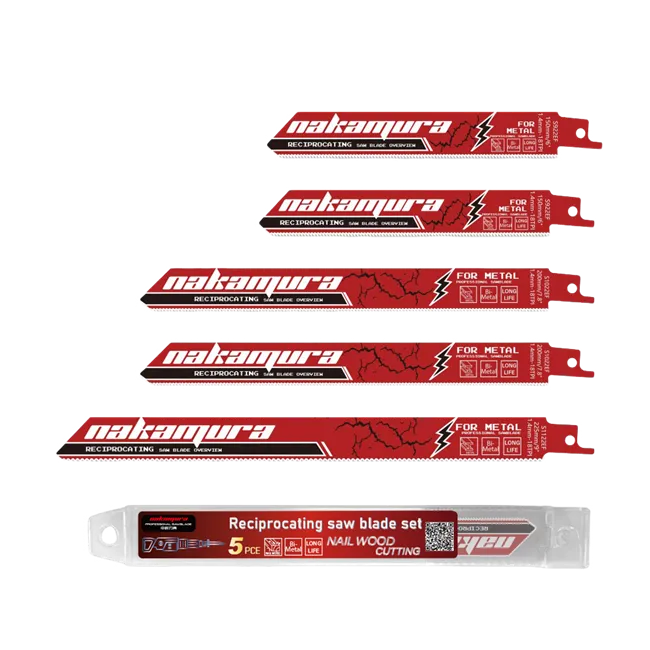

In the advanced sectors of industrial fabrication, woodworking, and metal processing, Tungsten Carbide Tipped (TCT) saw blades serve as the fundamental consumables that dictate operational efficiency. The absolute performance of these cutting tools is not accidental; it is strictly governed by the specific metallurgical grade of the carbide teeth. For engineers and B2B procurement officers, understanding the interaction between tungsten carbide (WC) grain size, cobalt binder ratios, and advanced manufacturing techniques is essential. For instance, when executing high-precision cuts in non-ferrous extrusions, deploying a specifically engineered 10 Inch Aluminum Cutting Saw Blade ensures that the correct metallurgical profile prevents material galling and premature edge degradation.
1. Microstructure: The Role of Carbide Grain Size The foundational metric of any carbide grade is its grain size, typically measured in micrometers. Sub-micron or fine-grained carbide yields a remarkably dense structure capable of holding a razor-sharp cutting edge. This specific geometry is critical for slicing through abrasive composites and non-ferrous metals without generating excessive friction or burrs.
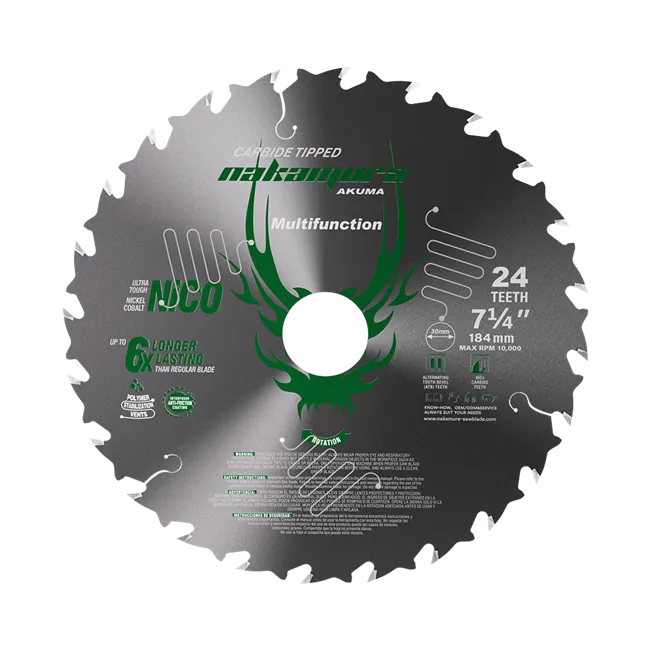
Conversely, coarse-grained carbide provides higher impact resistance but sacrifices edge sharpness and wear resistance, making it suitable primarily for ripping natural timbers where knot impacts are frequent. To bridge the gap for diverse contracting environments, tools like the 7-1/4 Multi-Material Cutting Blades are formulated with a strictly calibrated medium-fine grain size. This engineered balance ensures sustained sharpness across variable material densities, from nail-embedded wood to mild aluminum profiles.
2. Cobalt Binder Ratios: Balancing Hardness and Toughness Tungsten carbide particles require a metallic binder to form a cohesive cutting tip, with Cobalt (Co) being the industry standard. The exact ratio of cobalt dictates the critical trade-off between hardness and impact toughness. A lower cobalt percentage (e.g., 3-5%) produces an extremely hard tooth that resists abrasive wear, ideal for continuous cutting of MDF or laminates.
However, high-hardness tips are inherently more brittle. When engineering highly dynamic tools intended for high-RPM portable applications, such as the Multi Blade Circular Saw 147mm, manufacturers subtly increase the cobalt binder ratio. This enhanced toughness prevents micro-fracturing (chipping) of the teeth when the blade encounters sudden mechanical shocks or uneven feed rates during complex operational cuts.


3. Advanced Additives and Laser Welding Integrity Modern industrial carbide grades often incorporate structural additives like Titanium Carbide (TiC) or Tantalum Carbide (TaC). These additives significantly increase the high-temperature oxidation resistance of the teeth, preventing crater wear when cutting materials that generate intense localized heat.
Equally important to the carbide grade itself is the attachment methodology. The most premium carbide tip will fail if the bond to the steel plate is compromised. In modern industrial manufacturing, traditional and inferior hot-press bonding methods have been entirely superseded. High-performance blades exclusively utilize advanced laser welding technology. This precision laser fusion creates a permanent, indestructible metallurgical bond between the carbide tip and the high-tension steel body, ensuring zero tooth detachment even under the most extreme industrial stresses.
Conclusion and B2B Procurement Selecting the optimal carbide grade requires a rigorous assessment of workpiece metallurgy, required surface finish, and operational kinematics. By adhering to precise grain formulations, optimal cobalt ratios, and uncompromising laser-welding standards, processing facilities can maximize their operational ROI and drastically reduce machine downtime. We invite global distributors, industrial contractors, and manufacturing facilities to consult with our engineering team for customized cutting solutions calibrated to your exact production requirements.