



In the advanced sectors of industrial fabrication and precision machining, the cutting speed and operational efficiency of a circular saw blade are not arbitrary. They are strictly governed by the geometrical configuration of the Tungsten Carbide Tipped (TCT) teeth, the peripheral velocity (tip speed), and the applied manufacturing technologies. For engineers and B2B procurement managers seeking to optimize their production lines, understanding the mechanical physics behind tooth dimensions is a critical prerequisite. Even when deploying a highly versatile tool like a Multi Purpose Chop Saw Blade, the specific width, geometry, and metallurgical attachment of the carbide teeth determine the ultimate structural integrity and thermodynamic performance of the cut.
1. Kerf Width (Tooth Width) and Motor Torque Dynamics In cutting mechanics, the width of the carbide tooth dictates the "kerf"-the actual width of the cut. The correlation between tooth width and cutting speed is directly tied to the torque capacity of the drive motor. A wider industrial tooth provides exceptional stability and vibration dampening for heavy-duty stationary machinery, ensuring absolute straight-line precision.
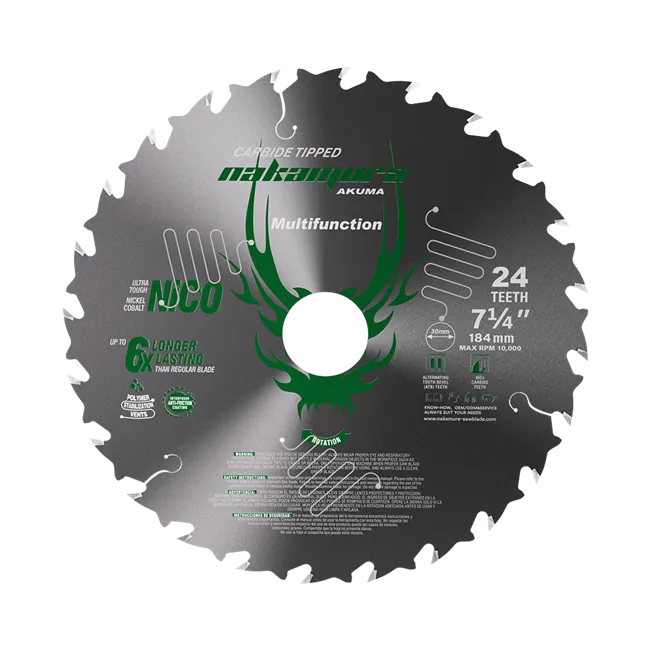
However, for portable equipment or applications prioritizing rapid feed rates, a thin-kerf design is required. By minimizing the amount of material converted into dust, thin-kerf blades significantly reduce frictional resistance. For example, when processing temperature-sensitive polymers, utilizing a specially engineered 7 1 4 Circular Saw Blade For Plastic with a precisely calibrated, narrow tooth width allows for high-speed cutting without thermal distortion or overloading the power tool's electrical components.
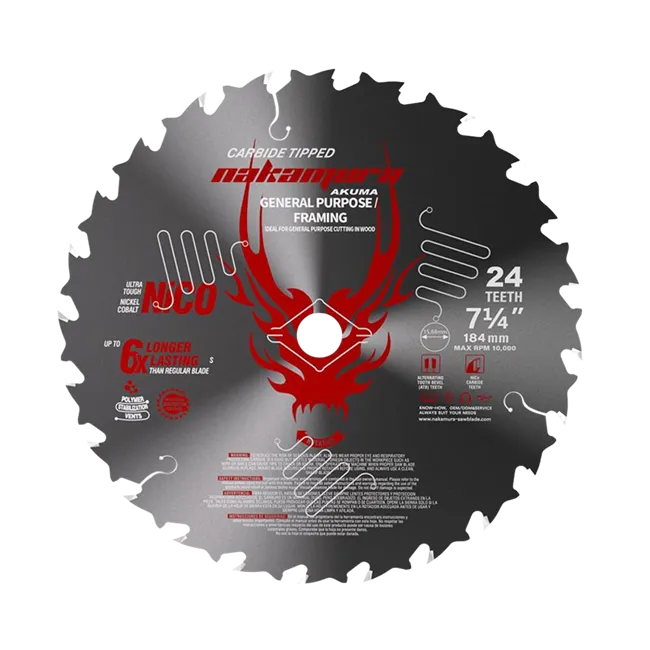
2. Tooth Count and Non-Ferrous Material Compatibility A critical safety and efficiency parameter often misunderstood is the relationship between tooth size (which dictates tooth count) and material density. Large, widely spaced teeth are engineered strictly for fast, aggressive ripping of natural timber.
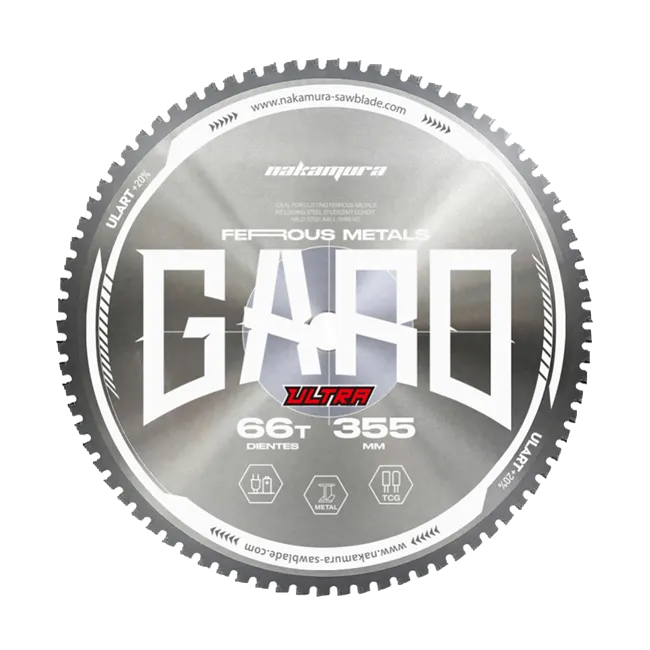
Applying large teeth to non-ferrous metals is a catastrophic mechanical error. When processing extrusions, operators must utilize a high-density tooth configuration. To achieve maximum cutting speed safely in these applications, an Aluminum Cutting Circular Saw Blade is mandatory. These blades feature a high count of smaller teeth combined with a Triple Chip Grind (TCG) and a negative rake angle. This specific geometry prevents the blade from grabbing the material, ensuring smooth, ultra-fast shearing of aluminum without hazardous kickback.


3. Tooth Height and Laser-Welded Structural Integrity A common misconception is that "taller" carbide teeth increase cutting speed. In reality, the feed rate per tooth (chip load) is governed by the spindle RPM, while the height of the carbide tip determines the blade's service life. Taller industrial carbide tips allow for multiple CNC resharpening cycles, offering exceptional long-term ROI for high-volume fabrication facilities.
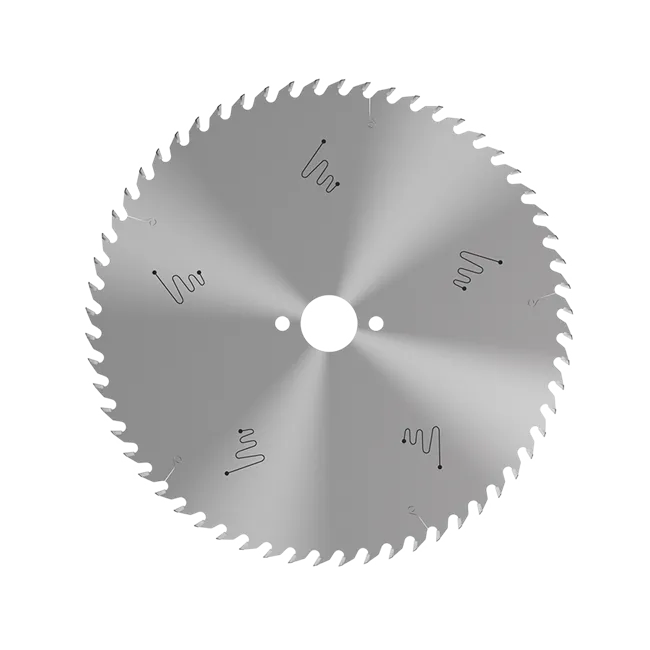
To support these robust carbide dimensions under extreme dynamic stress, advanced manufacturing techniques are non-negotiable. Outdated hot-press methods have been entirely superseded. High-performance industrial blades exclusively utilize laser welding technology to fuse the oversized carbide tips to the steel plate. This laser-welded structural integrity ensures that even the largest teeth will not fracture or detach when subjected to the intense mechanical shocks of industrial cross-cutting.
Conclusion and B2B Procurement The size and geometry of carbide teeth are precise engineering calculations designed to balance cutting speed, surface finish, and operational safety. By strictly matching kerf width, tooth count, and laser-welded carbide dimensions to the specific metallurgy of the workpiece, industrial facilities can maximize their operational efficiency. As a premier source manufacturer, we engineer our cutting solutions to the highest global standards. We invite distributors and industrial contractors to consult our technical team for customized tooling specifications tailored to your precise manufacturing requirements.