



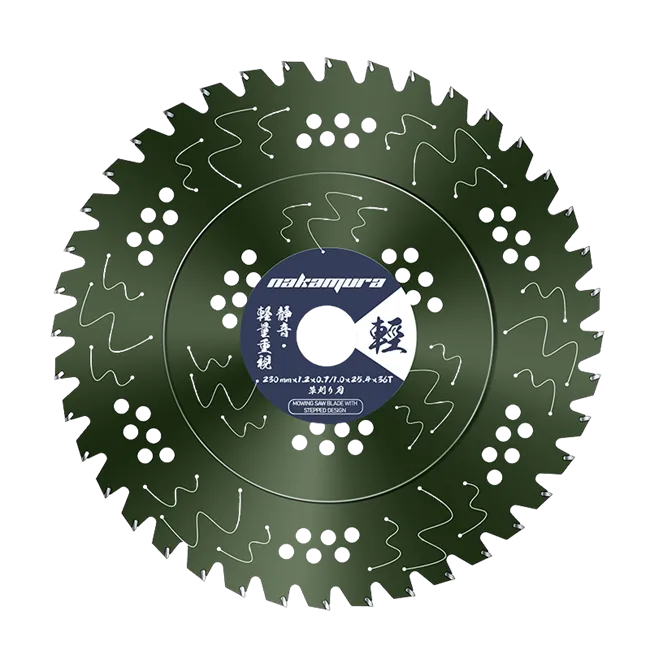
In a circular saw blade, the tips do the cutting, but the blade body keeps everything stable.
If the tooth tip decides sharpness, the blade body decides stability. Its material, thickness, flatness, tension, and heat treatment condition all affect how the blade behaves at high speed. For woodworking, metal cutting, fiber cement board cutting, and custom furniture production, the blade body is not a hidden detail. It is the foundation of cutting performance.
What does the blade body affect?
- Rigidity. If the blade body is not rigid enough, the blade may wobble, wander, or produce an unstable kerf. This is especially important for thin-kerf blades. A thin blade can reduce cutting load, but it also needs a stable body to control vibration.
- Flatness.Poor blade flatness may cause side runout, wider kerfs, burrs, and edge chipping. For panel cutting and fine woodworking, flatness directly affects surface quality.
- Vibration resistance.During high-speed cutting, the blade body must handle centrifugal force, feed pressure, heat stress, and material resistance. A well-designed body helps reduce vibration and makes cutting smoother.
- Safety.If the body has cracks, deformation, uneven heat treatment, or bore damage, it may create safety risks during high-speed operation. A good blade body needs a balance of hardness, toughness, and proper tension.
Common blade body materials
65Mn spring steel
65Mn is commonly used for woodworking circular saw blade bodies. It offers a practical balance of toughness, elasticity, and cost, making it suitable for standard woodworking blades, handheld circular saw blades, and some PCD blade applications.
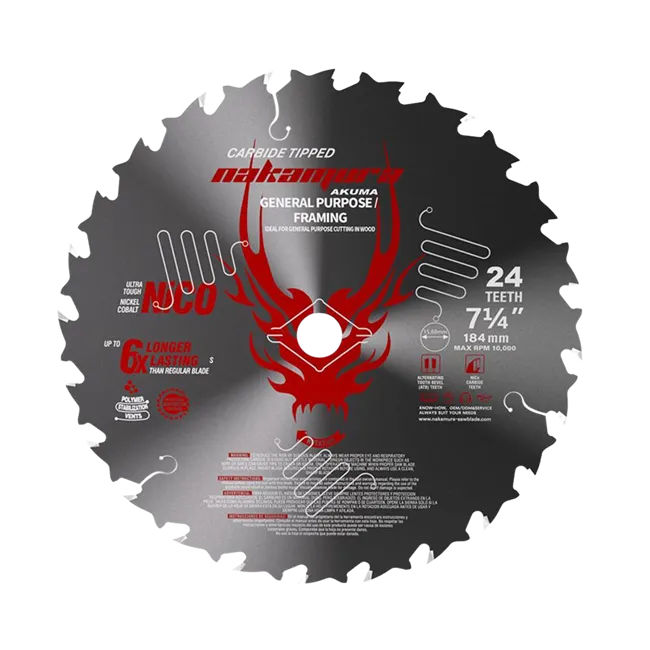
For example, the Nakamura Customized 184mm 24T Hardwood Saw Blade is designed for fast cutting of hardwood, OSB, MDF, and construction timber. Its blade body stability and thin-kerf structure work together to improve feed comfort and cutting efficiency.

75Cr1 / SKS51 alloy steel
These materials are often used when higher rigidity, flatness, and stability are required. They are suitable for continuous production, fine panel cutting, and higher-demand woodworking applications.
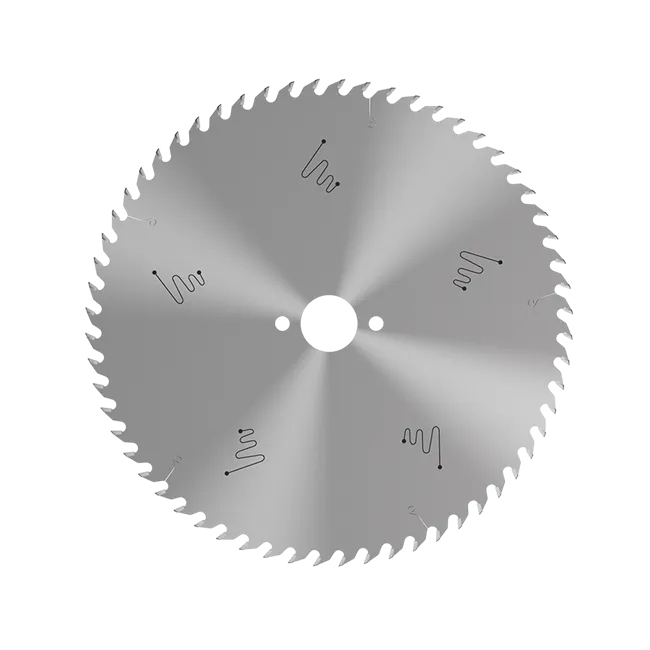
For custom furniture, plywood, MDF, laminated panels, and engineered wood, blade body stability directly affects edge quality. The Nakamura Wood Industrial Circular Saw Blades are suitable for fine cutting of wood, OSB, MDF, and integrated wood materials.
HSS / High-speed steel
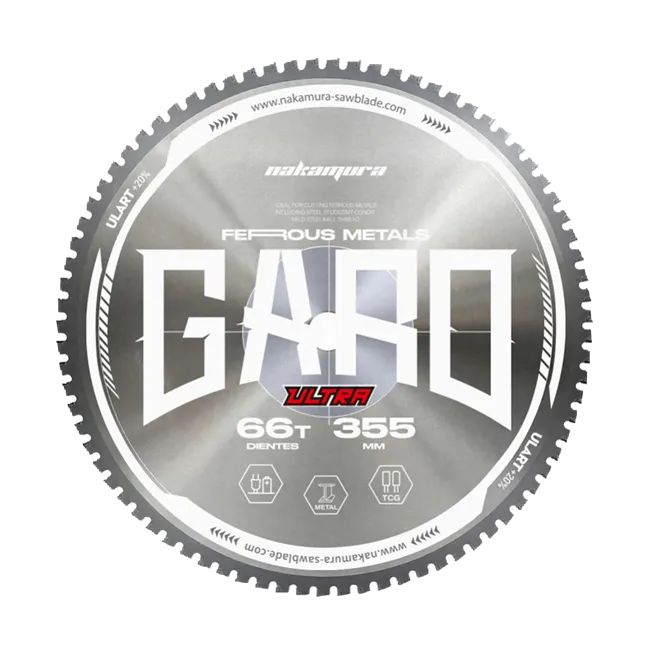
HSS should not be described as the body material for all metal cutting circular blades. It is more commonly used in solid HSS saws, slitting saws, or as the cutting edge material in some reciprocating blades. For TCT or cold-cut metal circular saw blades, the common structure is a steel body combined with carbide or cermet tips.
Therefore, for metal cutting, buyers should not only ask whether the blade is HSS. They should also consider the material being cut, machine speed, tip material, tooth geometry, and cooling conditions.
How Nakamura selects blade body materials
Nakamura does not select blade body materials simply by choosing the most expensive option. The material must match the application.
- Fast wood sizing requires toughness and smooth feed.
- Fine furniture panel cutting requires better flatness, vibration control, and edge stability.
- Metal cutting requires heat stability, impact resistance, and strong support for the cutting tips.
- Abrasive materials such as fiber cement board, MDF, and HDF require the body, PCD tips, and chip clearance design to work together.
For example, the Nakamura 184mm Fiber Cement Board Blade is designed for abrasive materials such as fiber cement board. This type of blade depends not only on PCD tip wear resistance, but also on a stable body that can support low-tooth-count cutting, impact load, and dusty working conditions.

Good blade bodies depend on process, not only material
The same 65Mn or SKS51 steel can perform very differently depending on manufacturing quality.
- Laser cutting affects body shape and tooth seat accuracy.
- Heat treatment and tempering affect hardness, toughness, and internal stress.
- Tensioning affects stability during high-speed rotation.
- Flatness and runout inspection affect kerf control and edge quality.
- Balance control affects vibration, noise, and cutting safety.
Blade body material is only the first step. A high-quality saw blade requires material selection, heat treatment, tensioning, welding, grinding, and inspection to work together.
Conclusion
The blade body is the backbone of a saw blade, but it does not work alone. It must work with the tips, tooth geometry, coating, welding process, and cutting machine.
Through suitable material selection, heat treatment control, tensioning, and precision processing, Nakamura builds a stable foundation for woodworking blades, metal cutting blades, and PCD saw blades.
A good saw blade must first run steadily before it can cut accurately, last longer, and work safely.
Nakamura - stable blade bodies for high-quality cutting performance.