


Inspect the blade before installation
Before use, check whether the blade has cracks, deformation, missing teeth, chipped tips, abnormal wear, or serious rust. Any blade with structural damage should not be used.
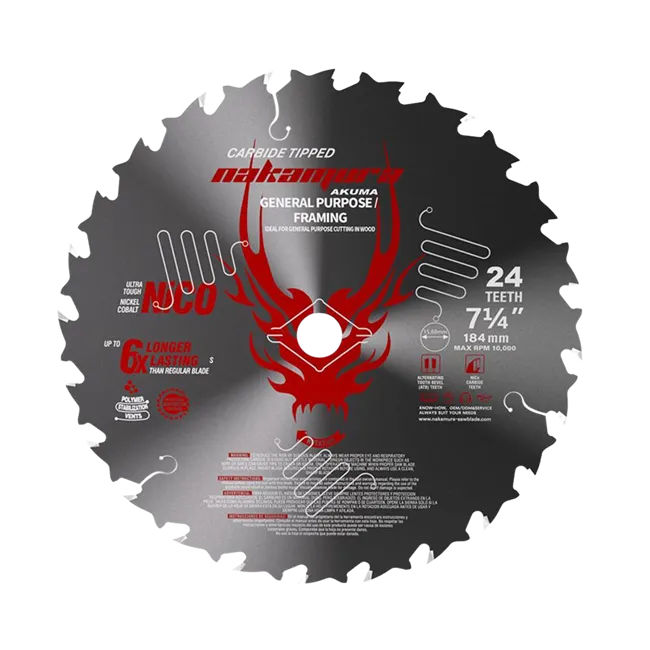
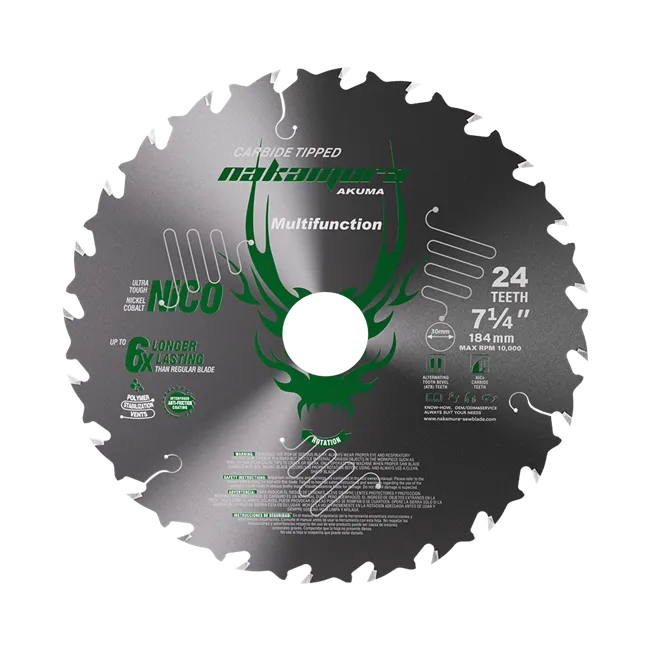
For example, when using the 184mm TCT Saw Blade For Wood, users should check not only tooth sharpness, but also blade body flatness, center bore condition, and tooth damage.
Make sure the blade matches the machine
Before installation, confirm the blade diameter, bore size, tooth count, kerf, plate thickness, and maximum safe speed.
Do not install a blade that exceeds the machine's allowed size or speed rating. The maximum RPM of the blade must be equal to or higher than the machine's working speed.
Disconnect power before changing the blade
Before changing or adjusting a blade, turn off the machine and disconnect the power supply. For cordless tools, remove the battery. For corded tools, unplug the power cord.
Never adjust, clean, or change the blade while the tool is still connected to power.

Install the blade in the correct direction
The cutting direction of the teeth must match the rotation direction of the machine. Make sure the flange, washer, and fasteners are clean, flat, and properly sized. Tighten the blade according to the machine manufacturer's instructions.
Incorrect installation may cause poor cutting, kickback, tooth damage, or machine failure.
Never remove machine guards
Do not remove or modify blade guards, riving knives, anti-kickback devices, or hold-down systems. Before starting, check that the lower guard moves freely and returns correctly.
Safety guards are not optional parts. They are essential protection during cutting.
Wear proper personal protective equipment
During cutting, wear safety glasses or a face shield, hearing protection, and respiratory protection when dust is present.
Cut-resistant gloves can be used when handling or installing blades. However, during machine operation, avoid loose gloves that may be pulled into rotating parts. Do not wear loose clothing or jewelry, and secure long hair.

Choose the right blade for the material
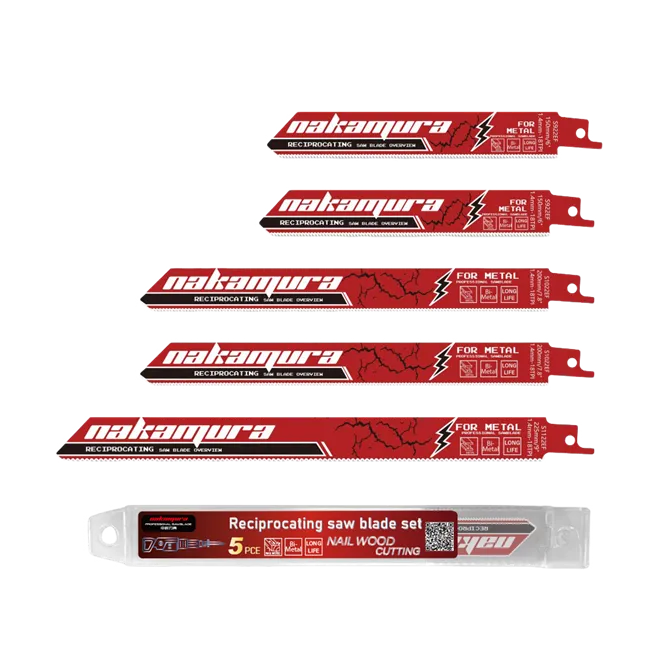
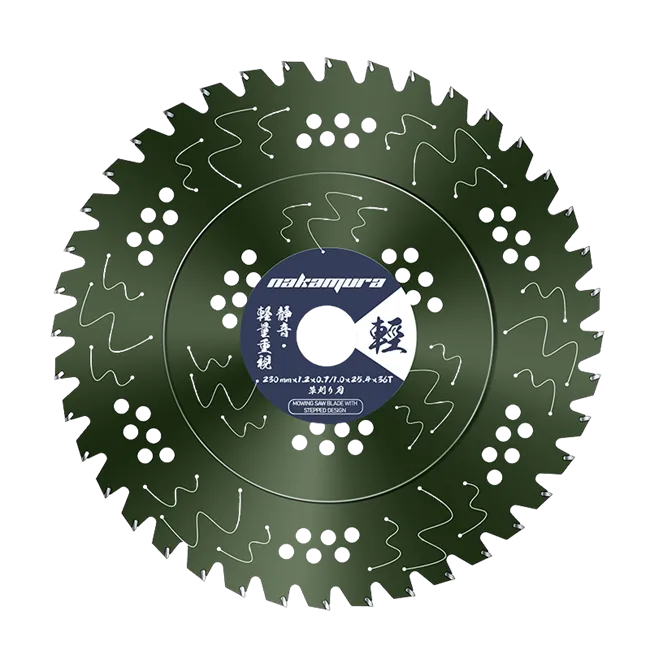
Different materials require different blades. Wood, metal, aluminum, composite panels, and fiber cement board should not be cut with the same blade.
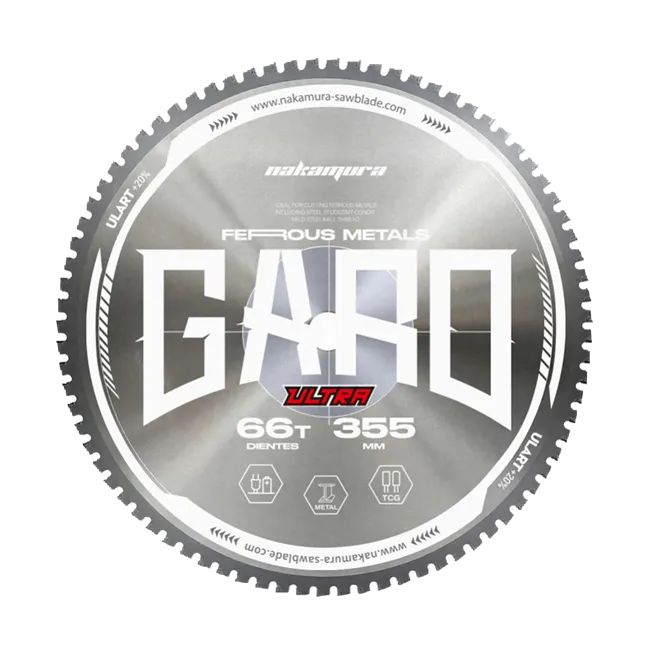
For metal processing, choose a dedicated product such as the Metal Cutting Circular Blade. It is designed for metal and stainless steel cutting in hardware processing, installation work, and industrial supply applications.
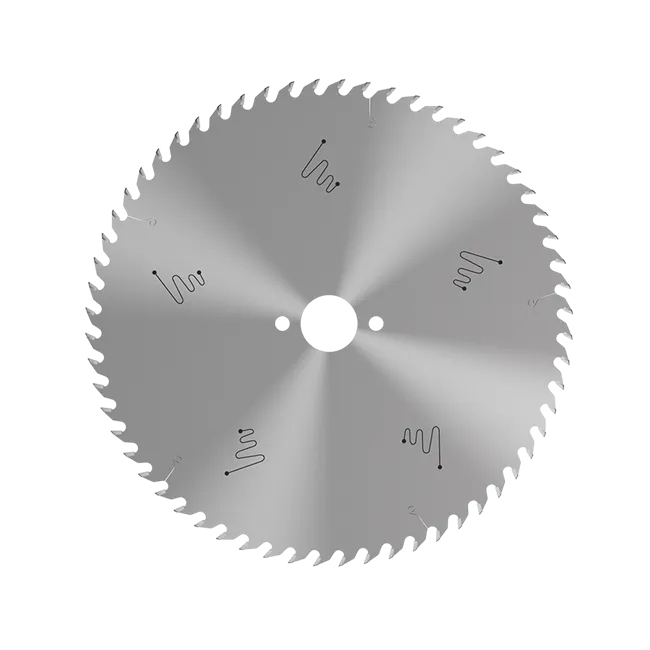
For abrasive materials such as fiber cement board and gypsum-bonded panels, a PCD blade is more suitable. The Fiber Cement Board Saw Blade is designed for abrasive board cutting. Wrong blade selection can reduce cutting efficiency and increase the risk of overheating, tooth damage, and kickback.
Keep the cutting operation stable
Secure the workpiece before cutting. Use steady feed pressure. Do not force the cut, twist the tool sideways, or suddenly push harder.
If abnormal noise, vibration, burning smell, or blade deflection appears, stop the machine and inspect the setup.
After use, clean resin, sawdust, metal chips, or dust from the blade when needed. Resharpen or replace the blade when cutting performance drops. Store blades in a dry and clean place to avoid impact, pressure damage, and moisture.
Nakamura's safety philosophy
For Nakamura, safety is not a slogan. It comes from product design, material selection, manufacturing process, marking, and quality inspection.
Meeting applicable standards is only the baseline. A reliable saw blade should help customers cut more steadily, efficiently, and safely under correct operating conditions.
Nakamura builds safety into every cut, starting with proper blade selection and correct use.