


Common problems during storage
- Tooth impact.
If blades are stacked without protection, the teeth may press against each other and cause small chips or tip damage. Carbide and PCD tips are especially sensitive to hard impact.
- Moisture and rust.
High humidity, wet packaging, or condensation caused by temperature changes may lead to rust on the steel body. Even minor rust can affect product appearance, customer acceptance, and user confidence.
- Heavy pressure.
If cartons or blades are stacked carelessly, products at the bottom may suffer from packaging deformation, uneven pressure, or tooth damage.
- Mixed specifications.
Different diameters, bore sizes, tooth counts, and applications should not be mixed randomly. Poor classification increases the risk of wrong shipments and customer complaints.

Correct storage methods
The key to saw blade storage is simple: keep blades separated, dry, protected, and easy to identify.
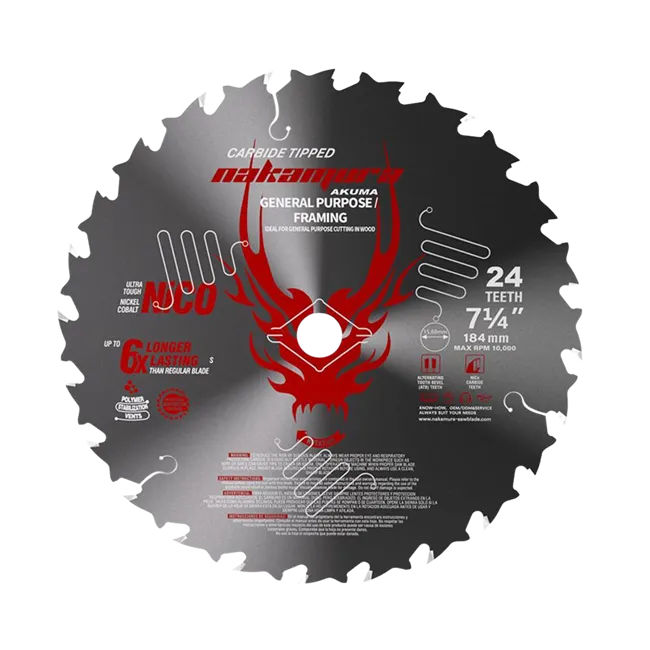
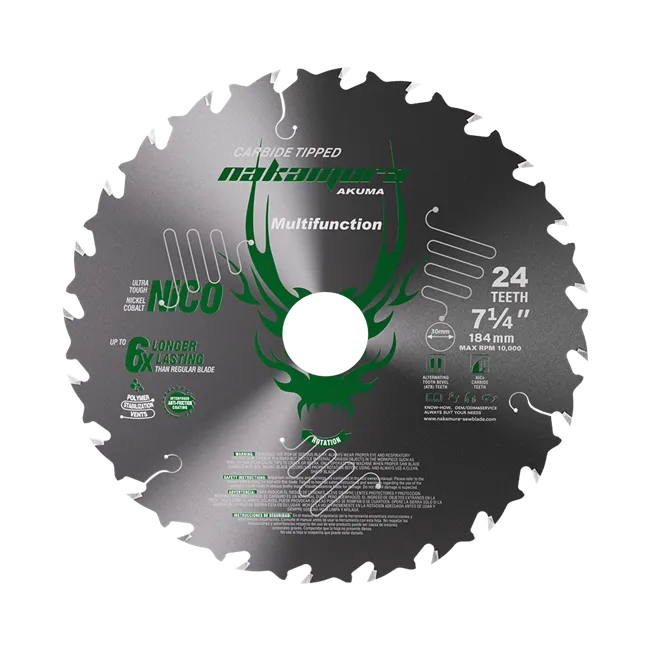
For woodworking products such as the TCT Wood Cutting Circular Blade 184mm, blades should be stored by diameter, tooth count, bore size, series, and packaging type.
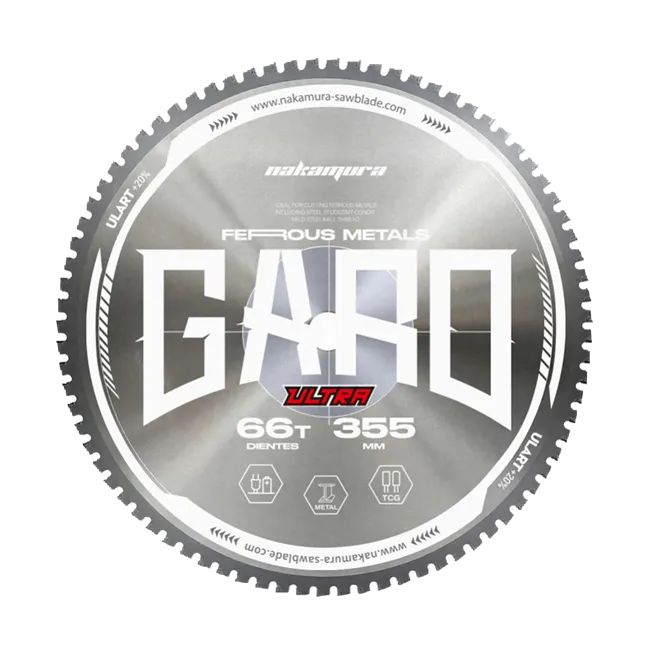
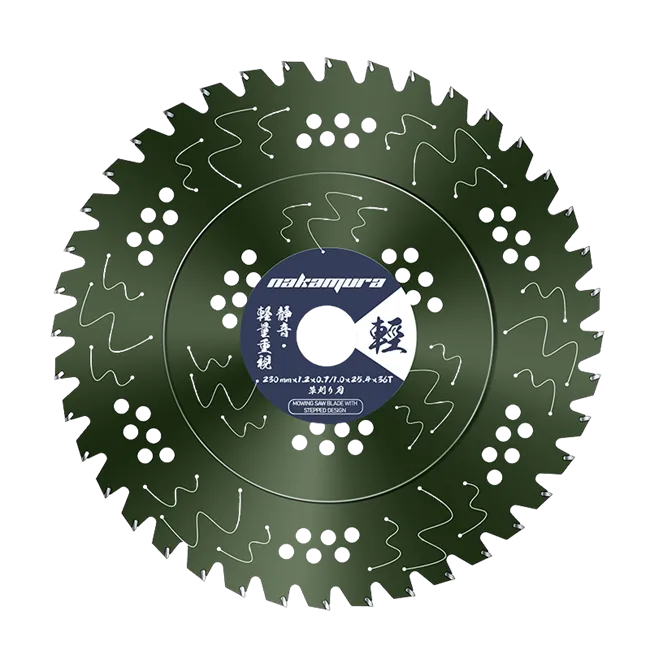
For metal cutting products such as the Metal Cutting Circular Blade, tooth protection and coating protection are important. Avoid rubbing against hard objects before shipment.
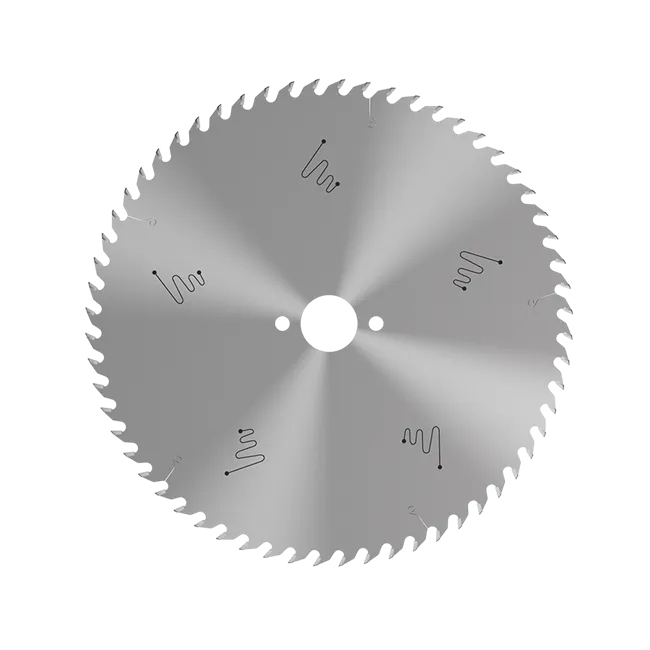
For PCD products such as the PCD Fiber Cement Circular Saw Blade, tooth guards, individual separation, or protective inner packing are recommended to avoid impact on the PCD tips.
The warehouse should be dry, clean, and ventilated. For longer storage, moisture-proof bags, desiccants, anti-rust paper, or anti-rust oil can be used when suitable. Stock condition should also be checked regularly.
Protection during transportation
The three biggest risks during transport are vibration, moisture, and compression.
Before shipment, packaging should be selected according to blade type: paper sleeves, blister packs, color boxes, inner liners, tooth guards, or reinforced cartons. For bulk shipping, cartons should be fixed on pallets to prevent sliding, falling, or pressure damage.
Clear carton labeling is also important. Product model, size, quantity, orientation, moisture protection, and "do not press" markings help warehouses, forwarders, and customers handle the goods correctly.
For cross-border shipping or long-distance sea freight, humidity control becomes even more important. Poor moisture protection may cause rust or softened packaging before the goods arrive.
Nakamura's packaging and management approach
Nakamura treats packaging as part of product protection, not only as product appearance.
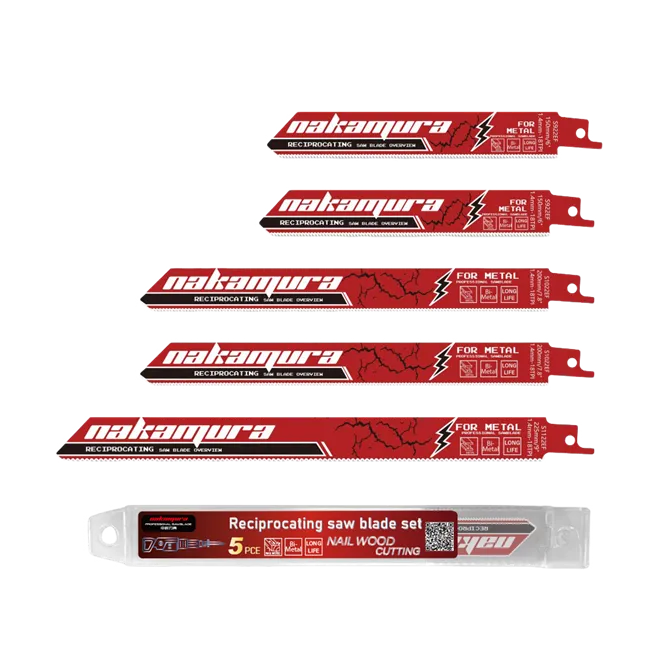
Different products require different packaging logic. Wood cutting blades need clear specification identification and retail display options. Metal cutting blades need tooth and coating protection. PCD blades require stronger tip protection and individual separation.
For OEM and ODM customers, packaging can also be customized for different sales channels, including color boxes, hang cards, blister packs, white boxes, set packaging, and industrial bulk packaging.

Storage management tips
Check specification, quantity, packaging condition, and batch information when blades enter storage.
Use first-in, first-out inventory management to avoid long-term stock pressure.
Avoid dragging, dropping, or stacking bare blades.
If packaging is wet, deformed, or tooth damage is found, isolate and inspect the products.
Before shipment, confirm model, bore size, tooth count, and customer requirements again.
Conclusion
Saw blade quality depends not only on manufacturing, but also on storage and logistics protection. A professional supply chain should protect the blade from factory packaging to warehouse storage, transport, and final delivery.
Nakamura helps customers reduce transport damage, lower after-sales risks, and keep every blade ready for real cutting work.
Nakamura protects saw blade quality from storage to use.