

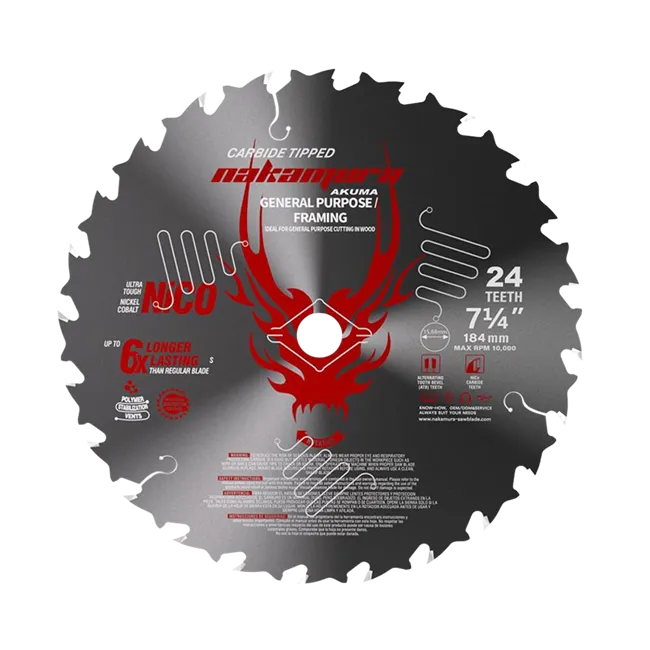
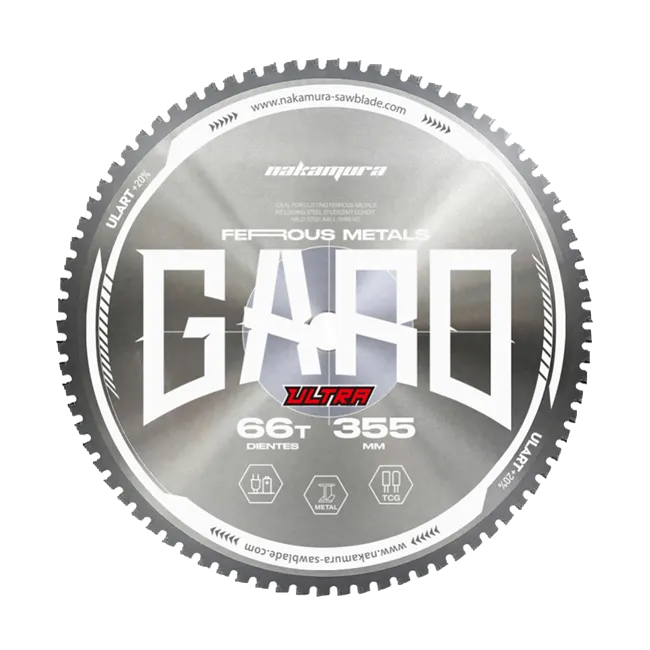
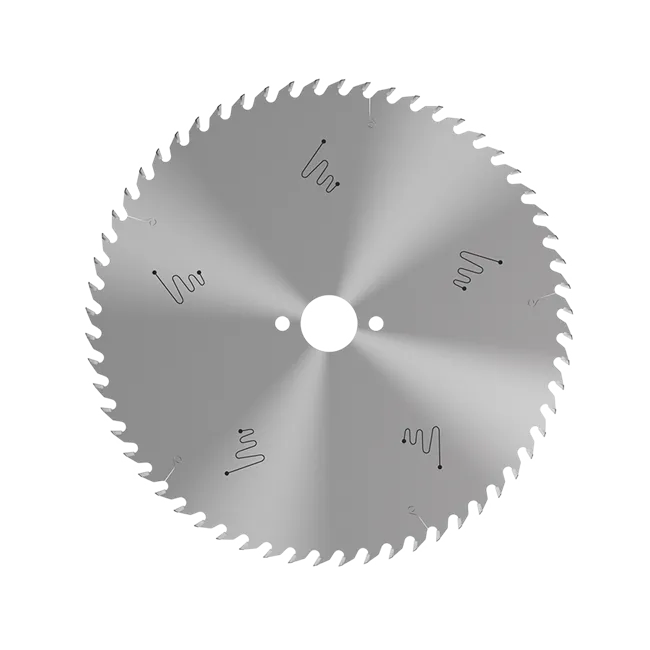
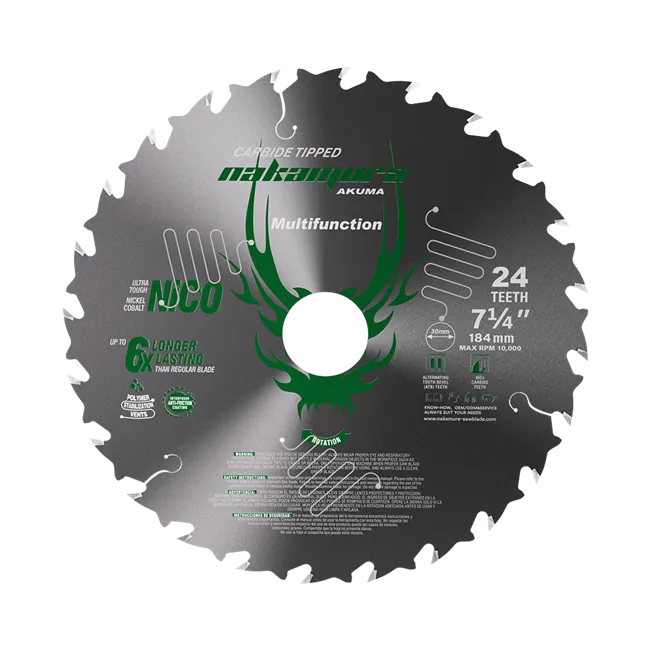

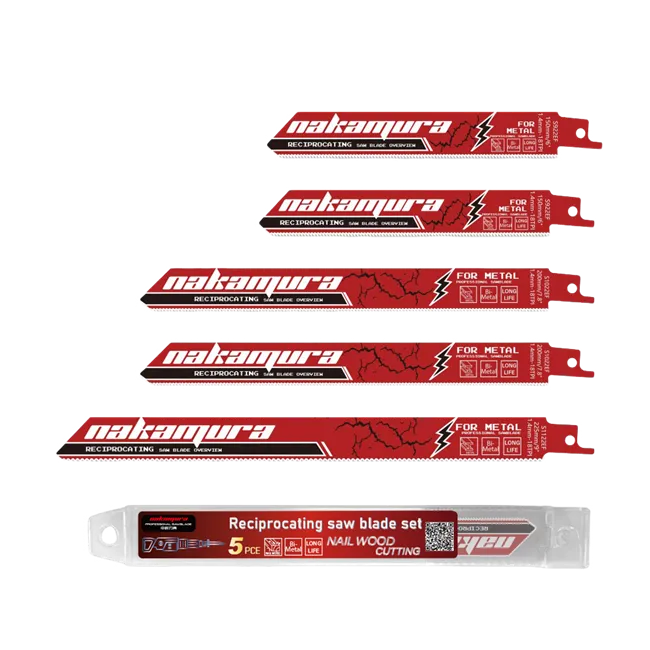
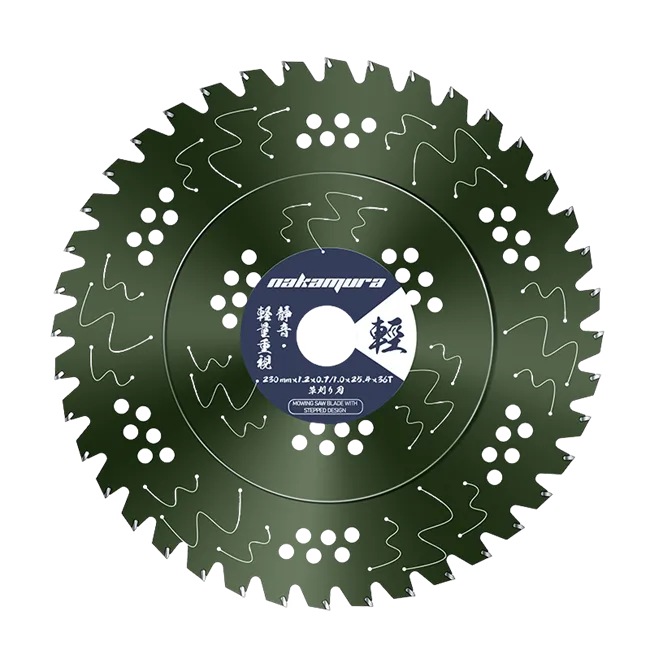
A circular saw blade is a general term for a circular sheet knife used to cut solid materials. Saw blades need to use different materials according to different cutting objects, such as diamond saw blades for stone cutting, high-speed steel saw blades for metal material cutting (without carbide cutter bits); Carbide saw blades are used for cutting solid wood, wood-based panels, aluminum profiles, plastics, plastic steel, etc.
Types of Saw Blades:
1. According to the materials used:
high-speed steel saw blades (HSS saw blades), solid carbide saw blades, tungsten steel saw blades, toothed alloy saw blades, diamond saw blades, etc.
2. According to the purpose:
milling blade saw blade, machine saw blade, manual saw blade, special saw blade (aluminum saw blade, copper cutting saw blade, stainless steel saw blade, etc.), pipe cutting saw blade, wood saw blade, stone saw blade, acrylic saw blade, etc.
3. According to the surface coating:
white steel saw blade (natural color), nitride saw blade (black), titanium plated saw blade (gold), chromium nitride (color), etc.
4. There are also some other names:
cutting saw blade, cutting saw blade, grooving saw blade, cutting saw blade, integral saw blade, toothed saw blade, ultra-thin saw blade.
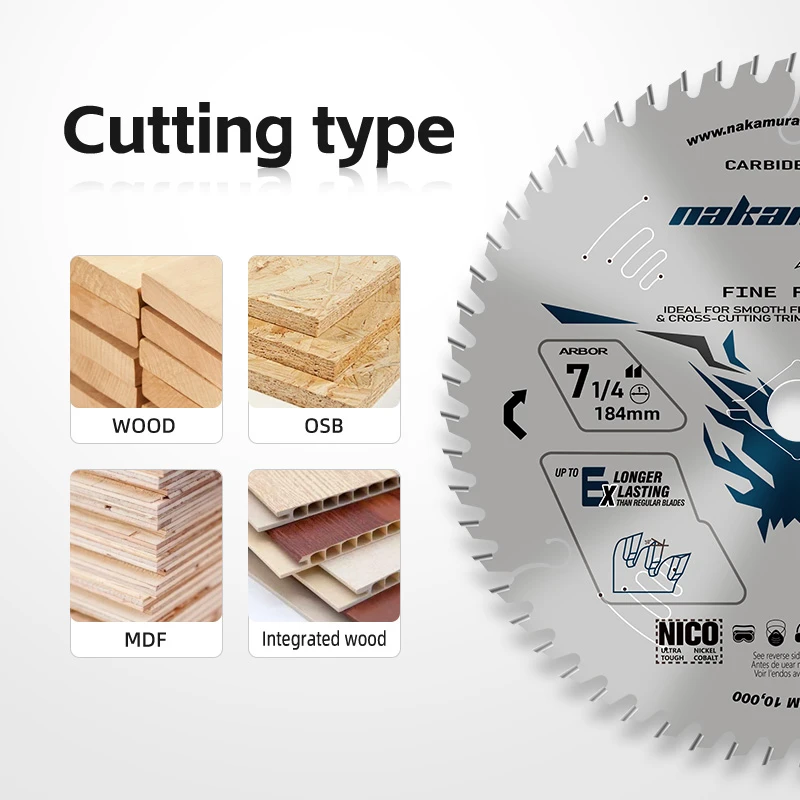
The diameter of the saw blade is small, and the cutting speed is relatively low; The large diameter of the saw blade means that the cutting speed is relatively high, and the requirements for saw blades and sawing equipment are correspondingly high. The diameter of standard parts is: 110MM (4 inches), 150MM (6 inches), 180MM (7 inches), 200MM (8 inches), 230MM (9 inches), 20MM (10 inches), 300MM (12 inches), 350MM (14 inches), 400MM (16 inches), 450MM (18 inches), 500MM (20 inches), etc., and the bottom groove saw blade of precision cutting saws is mostly designed to be 120MM.
Generally speaking, the more teeth, the better the cutting performance, but the more cemented carbide required, the higher the cost, and the dense serrations are easy to cause the saw blade to heat up. In addition, too many teeth will also aggravate the friction between the cutting edge and the workpiece, affecting the service life of the blade. Usually the tooth spacing is 15-25mm, and a reasonable number of teeth should be selected according to the material being sawn.
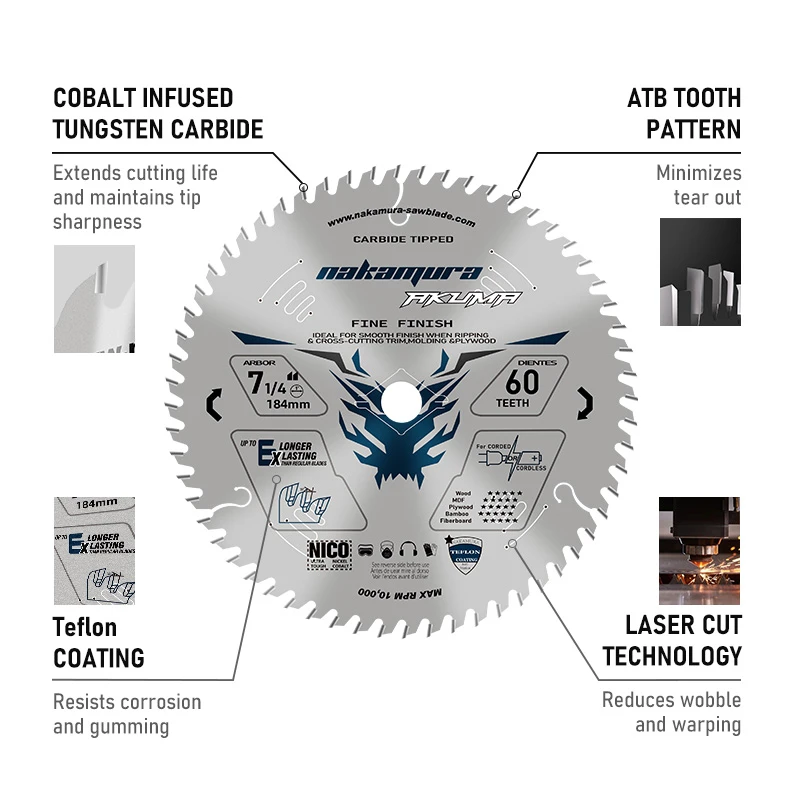
We want the thinner the saw blade to be better, and the saw seam is actually a consumption. The material of the alloy saw blade matrix and the process of manufacturing the saw blade determine the thickness of the saw blade, the thickness is too thin, and the saw blade is easy to shake when working, affecting the cutting effect. When choosing the thickness of the saw blade, it should be considered from the stability of the saw blade and the material of the saw. Some special purpose materials require specific thicknesses and should be used according to equipment requirements.