



Hey there! As a specialized supplier of power tool accessories-specifically lithium-battery circular saw blades-I've seen firsthand the impact that precision-engineered blades can have on cutting tasks. Today, I wanna talk about one crucial design feature: the thin-kerf circular saw blade. So, what exactly is the advantage of using a thin-kerf blade on your power tools? Let's dive right in.
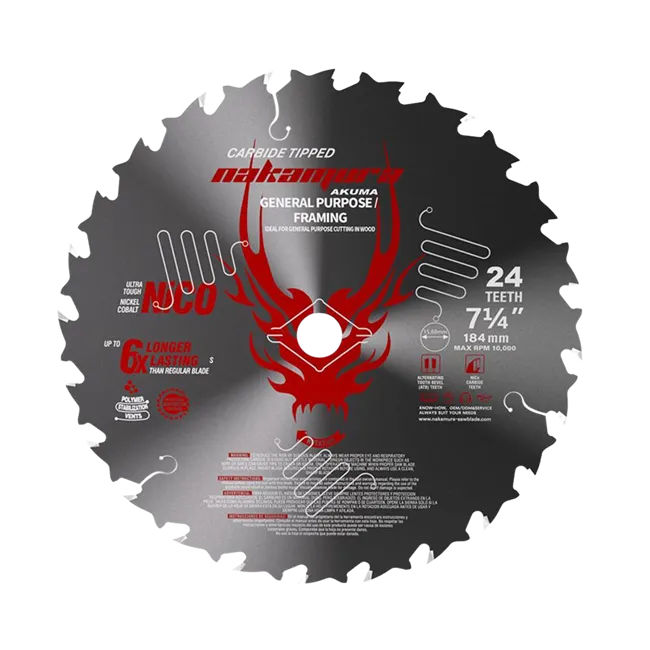
Understanding the Thin-Kerf Design and Core Metallurgy First off, let's clarify what a thin-kerf blade is. In simple terms, the kerf is the width of the cut made by the saw blade. A thin-kerf blade has a significantly narrower kerf compared to a standard industrial blade (which typically runs 2.2mm or thicker). This precision design is absolutely essential for portable tools. For instance, when utilizing a specialized SKU like our 184mm 40T Thin Wood Saw Blade, the ultra-thin cutting width reduces the surface area contact. This seemingly small technical difference brings a whole bunch of performance benefits to your cordless operations. To maintain rigidity despite the thin profile, these premium blades utilize high-tension steel bodies, such as D6A spring steel or 75Cr1, which prevents the blade from warping under centrifugal force and extreme temperatures.
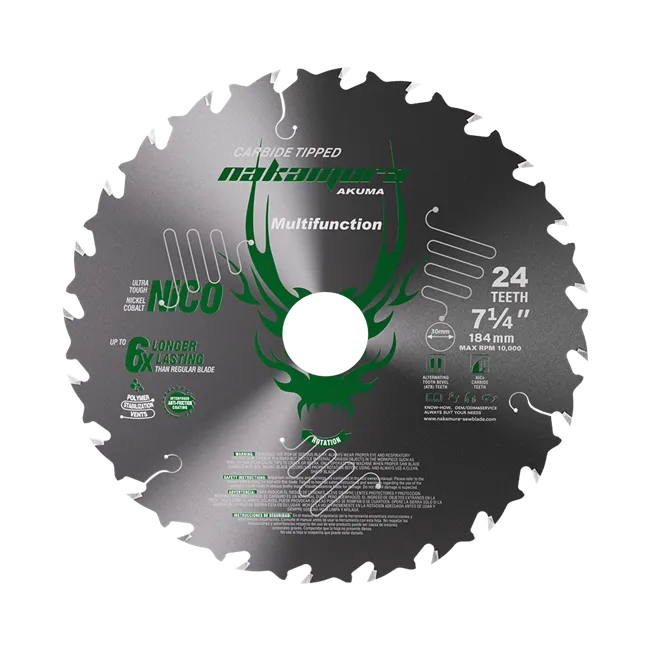
Reduced Power Consumption & Extended Battery Life The most significant benefit of a thin-kerf blade-especially for lithium-battery tools-is reduced power consumption. Since the blade has less material to cut through, it requires far less energy to operate. This means your cordless saw motor doesn't have to work as hard, reducing heat build-up and preventing motor burnout. The reduced electrical draw mitigates battery voltage sag, ensuring consistent RPMs. When equipping your saw with a highly adaptable option like our 190mm Carbide Teeth Circular Saw Blade, the reduced cutting resistance directly translates to significantly more cuts per battery charge, ensuring maximum efficiency on the job site without requiring frequent battery swaps.
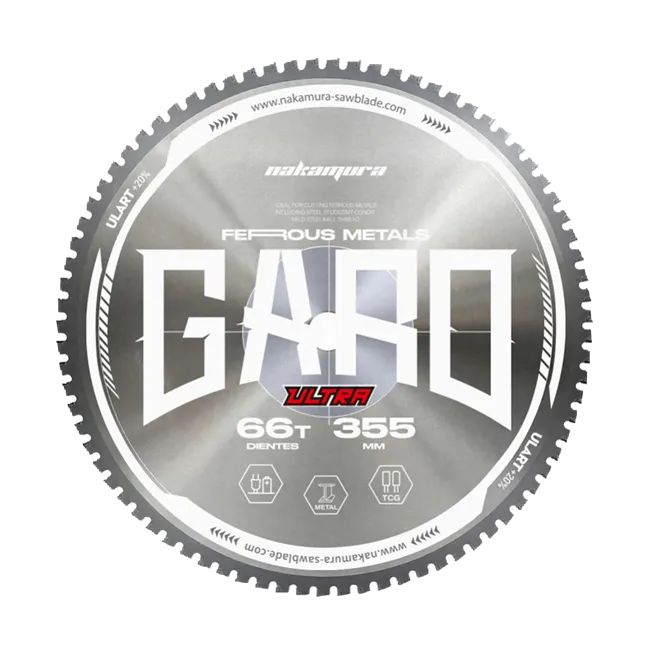
Faster Cutting Speeds and Material Savings Another obvious advantage is faster cutting speeds paired with material savings. A standard blade removes a relatively large amount of material as waste. With a thin-kerf design, material removal is minimized, allowing the blade to move through the workpiece much quicker. If you're working on non-ferrous materials or dense composites, using a specialized SKU like our 165mm PCD Circular Saw Blade allows you to get the job done faster without bogging down the RPMs of your portable saw. Furthermore, saving a fraction of an inch on every cut adds up to substantial material savings over a large project. This not only reduces raw material costs but also minimizes the volume of airborne dust and chips generated.


Improved Cutting Quality and Advanced Tooth Geometry In terms of cutting quality, thin-kerf blades equipped with precisely ground Tungsten Carbide Tipped (TCT) teeth provide exceptionally smooth cuts. The micro-grain carbide structure ensures edge retention even in highly abrasive materials. With less material being forcefully removed, there's less chance of tear-out and splintering, which is vital for achieving a clean, professional finish. The tooth geometry-whether Alternate Top Bevel (ATB) for cross-cutting wood or Triple Chip Grind (TCG) for harder materials-works in tandem with the thin plate to deliver sheer cutting power rather than blunt force friction.
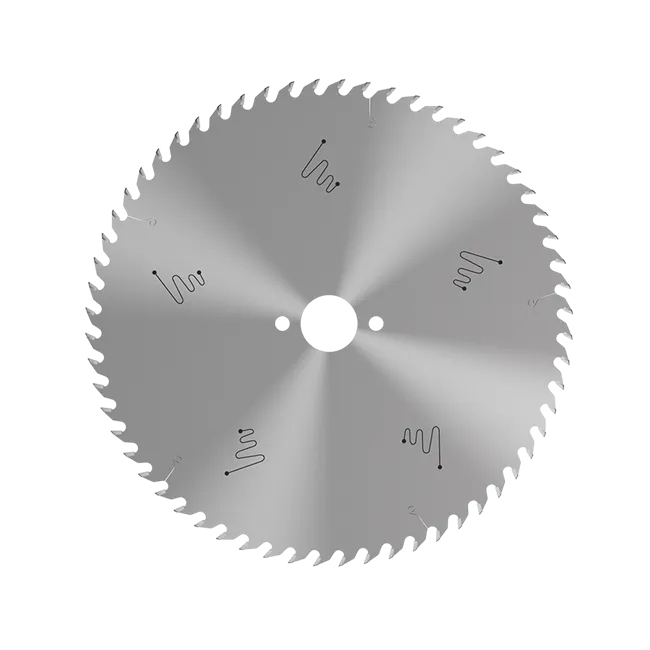
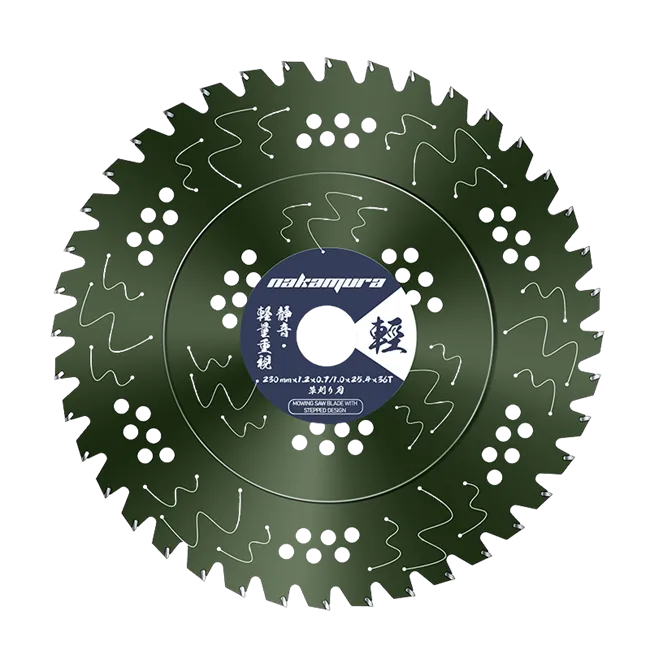
Enhanced Handling and Vibration Control Additionally, these blades are inherently lighter in weight. A lighter blade reduces the gyroscopic effect during high-speed rotation, minimizing operator fatigue and making your handheld lithium saw much easier to control during long cutting sessions. To counteract the harmonic vibrations that can sometimes plague thinner plates, high-end blades incorporate laser-cut expansion slots and noise-reduction lines. These features dissipate kinetic energy and release heat expansion stress, keeping the blade running true and quiet.
Conclusion While thin-kerf blades require precise manufacturing and high-quality steel plates to maintain stability, they are incredibly cost-effective in the long run. The direct savings in battery life, reduced motor wear, minimized material waste, and superior cutting finish make them the ultimate choice for modern power tools.
If you're looking to maximize the efficiency of your lithium-battery saws, save money, and achieve flawless cuts, I highly recommend upgrading your blades. If you're interested in learning more about our exact specifications or have any questions about which SKU is right for your specific needs, don't hesitate to reach out. We're here to help you find the perfect technical solution for your cutting projects.
References
"Woodworking Machinery and Tools Handbook" - Insights on blade geometry and performance.
"Metal Cutting Technology Manual" - Best practices for thin-kerf applications on non-ferrous metals.
Industry research reports on lithium-battery tool efficiency and kerf resistance.