


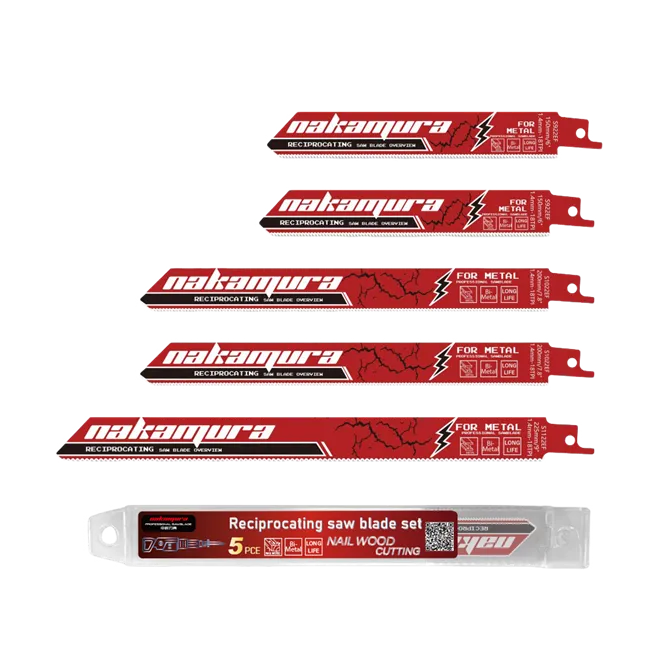


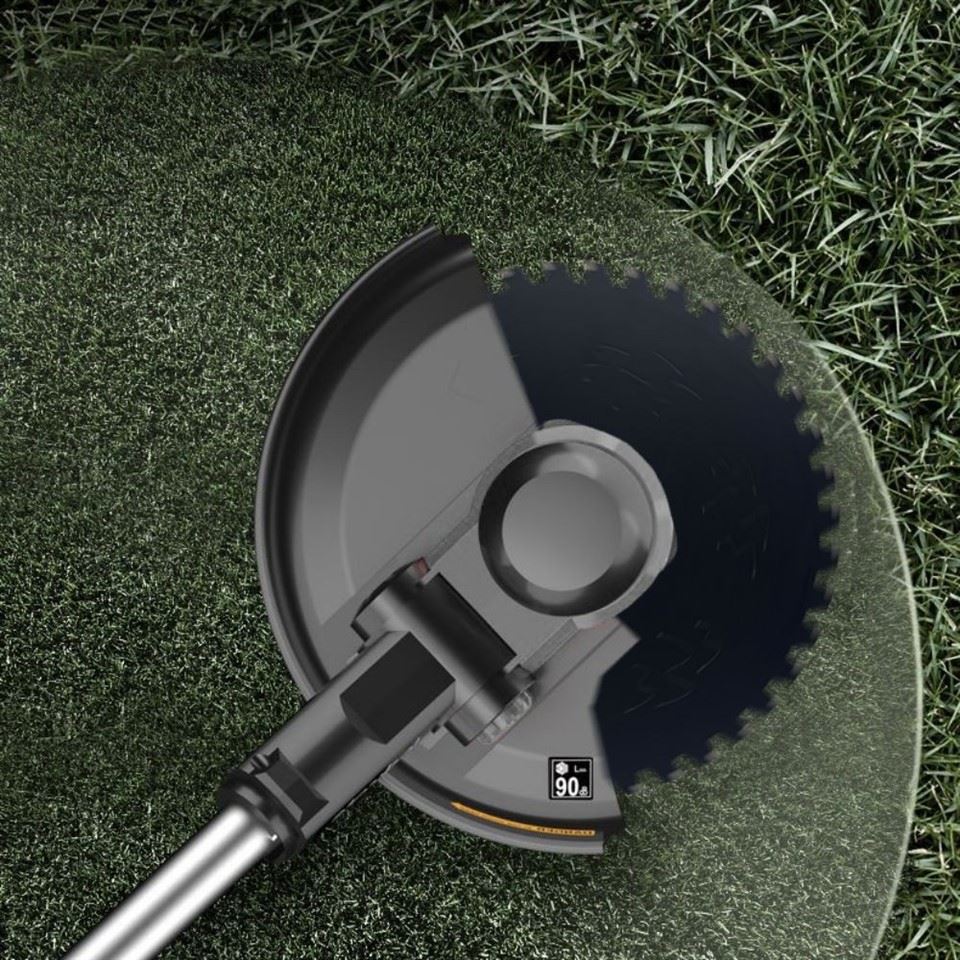
In modern construction and high-end cabinetry, executing complex projects requires an exact matching of metallurgical cutting tools to diverse substrates. A comprehensive job site often requires a wide spectrum of cutting solutions-from initial site preparation and clearing utilizing a heavy-duty Grass Cutting Blade Circular Saw, to structural teardowns using rugged Bi-metal Reciprocating Saw Blades. However, as a project advances from rough framing to the installation of high-value architectural veneers, the cutting dynamics shift from prioritizing sheer impact resistance to demanding surgical precision.
The Dichotomy of Carbide Blade Engineering
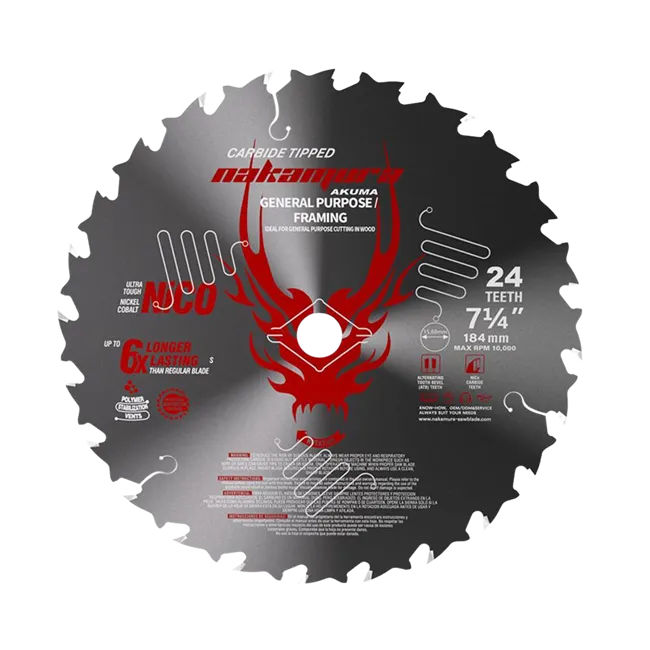
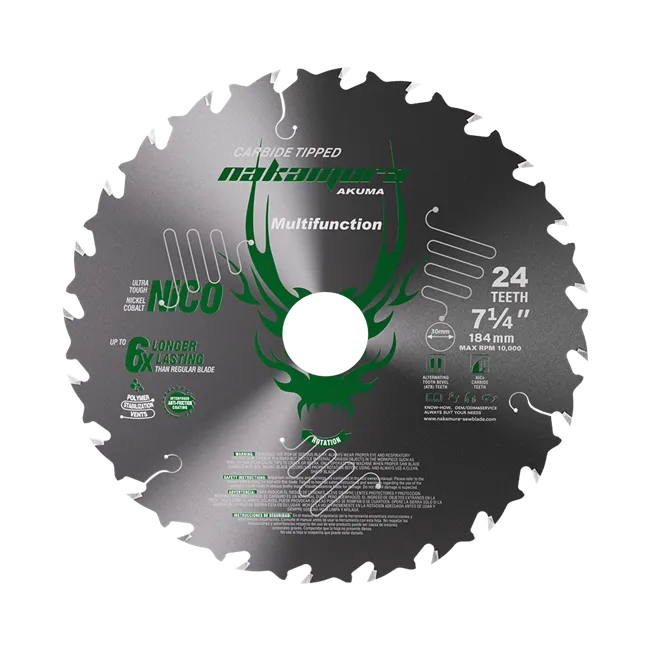
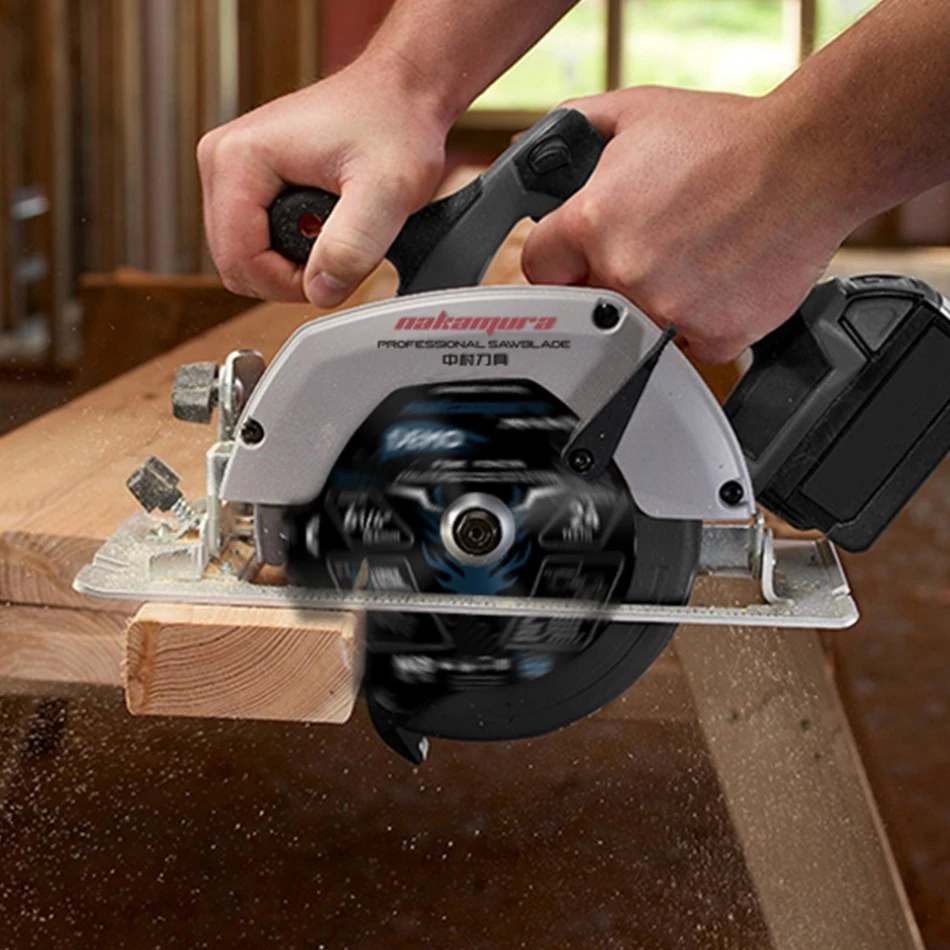
Understanding the specific engineering of Tungsten Carbide Tipped (TCT) blades is critical for procurement engineers. For heavy structural applications involving embedded nails and abrasive lumber, operators rely on Demo Carbide Saw Blades For Wood. These blades utilize advanced laser welding technology-completely replacing outdated hot-press methods-to fuse the carbide tips to the steel plate, ensuring the teeth withstand severe mechanical shock without shearing off.
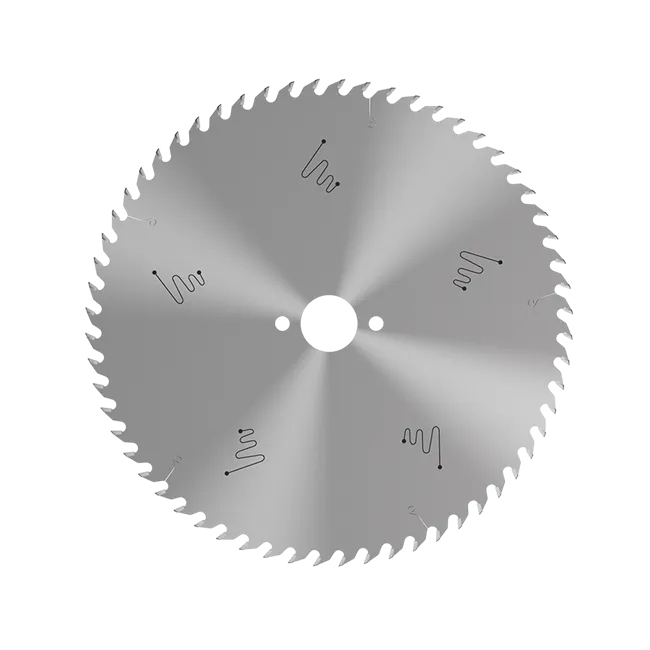
However, applying this level of aggressive cutting geometry to delicate wood veneer will result in catastrophic material tear-out. Veneer consists of ultra-thin layers of natural wood fibers bonded to a substrate. Severing these fragile cross-grain fibers requires highly specialized micro-geometry and extremely high tooth counts (typically 80T to 100T on a 10-inch blade).
Tooth Geometry: The Necessity of Hi-ATB
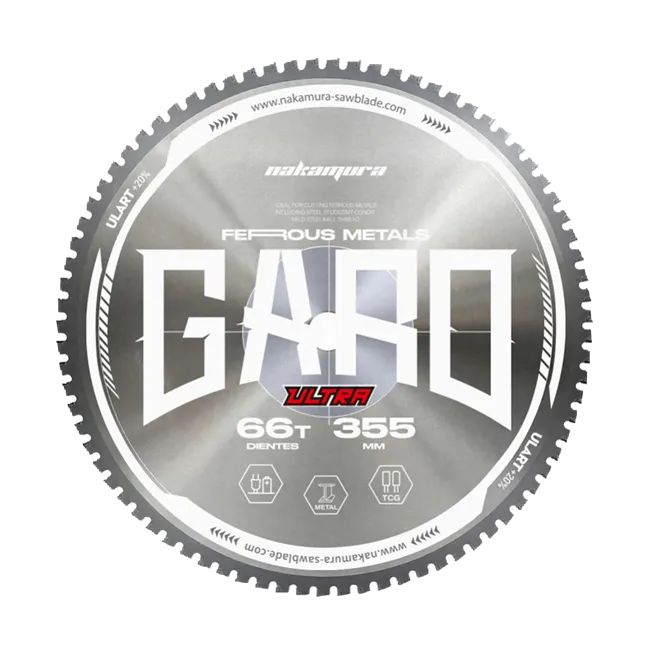
The most pervasive technical error in veneer processing is utilizing a Triple Chip Grind (TCG) blade. While TCG is optimal for dense melamine or non-ferrous metals, it acts as a chisel that will shatter natural wood veneer. The absolute industrial standard for veneer is the High Alternate Top Bevel (Hi-ATB) configuration. Hi-ATB teeth feature an aggressive bevel angle (often 30° to 40°), allowing the cutting edge to knife through the left and right surface fibers cleanly before the core material is removed, guaranteeing a flawless, splinter-free finish.
Kerf Width and Harmonic Balancing
Delicate veneer cutting necessitates an ultra-thin kerf (typically 0.090" to 0.100"). A thinner kerf minimizes resistance and reduces the volume of material removed, which in turn reduces the applied kinetic stress on the fragile veneer surface. To maintain stability in thin-kerf designs, premium industrial blades incorporate precision CNC laser-cut expansion slots. These slots absorb thermal expansion and dampen structural ringing, eliminating harmonic vibration and lateral runout during high-RPM operations.
Industrial Maintenance Protocols
Maintaining the micro-edge of a Hi-ATB blade requires strict chemical protocols. During continuous operation, natural wood pitch and lignin polymerize on the carbide tips, altering the clearance angle and generating severe frictional heat. Operators must strictly avoid acidic household cleaners. Blades must be treated with industrial-grade, alkaline-based pitch solvents to dissolve resins without corroding the alloy steel plate, followed by the application of a dry polytetrafluoroethylene (PTFE) lubricant.
Conclusion for B2B Procurement
Procuring the correct circular saw blade for veneer processing is a rigorous mechanical requirement governed by fiber density and precise tooth geometries. By standardizing procurement around laser-welded structural integrity and Hi-ATB tooth configurations, industrial fabricators can eliminate high-value material waste and maximize the operational efficiency of their finishing processes.