





In modern industrial fabrication and large-scale woodworking, optimizing the power consumption of machinery is a critical factor in reducing operational overhead and carbon footprints. The selection of cutting tools directly dictates the amperage draw of spindle motors. Understanding the precise thermodynamics and shear mechanics of Tungsten Carbide Tipped (TCT) saw blades compared to legacy cutting technologies is essential for procurement engineers aiming to maximize cutting efficiency.
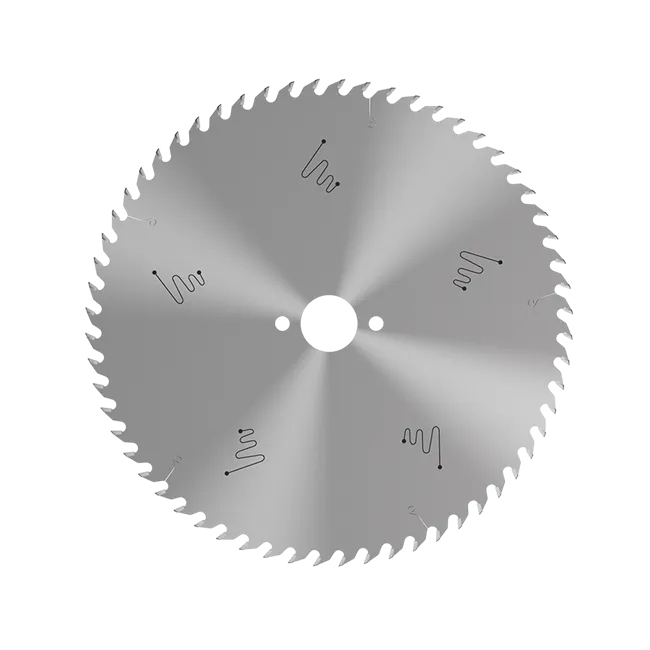
Cutting Kinematics and Energy Transfer The fundamental energy efficiency of a saw blade relies on its ability to shear material rather than plow or grind it. For non-ferrous metal processing, utilizing a precisely engineered Aluminum Circular Saw Blade minimizes the coefficient of friction. The negative hook angle and Triple Chip Grind (TCG) geometry ensure that the rotational kinetic energy of the motor is transferred directly into chip formation, drastically reducing the electrical load required to maintain a constant RPM.
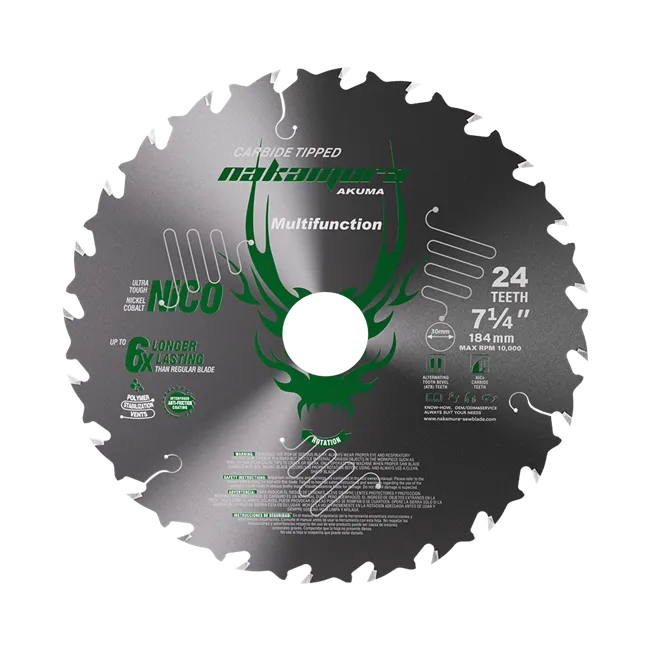
Furthermore, the structural assembly of the blade is paramount to preventing kinetic energy loss. Industry-leading cutting tools have entirely abandoned outdated hot-press attachment methods. Today, premium carbide tips are affixed to the high-tension alloy steel body via state-of-the-art laser welding. This molecular bond eliminates harmonic vibration and lateral deflection. When deploying a laser-welded Circular Saw Blade for Wood And Metal in mixed-material environments, this absolute rigidity ensures that zero motor torque is wasted on blade flutter, translating 100% of the mechanical energy into the cut.
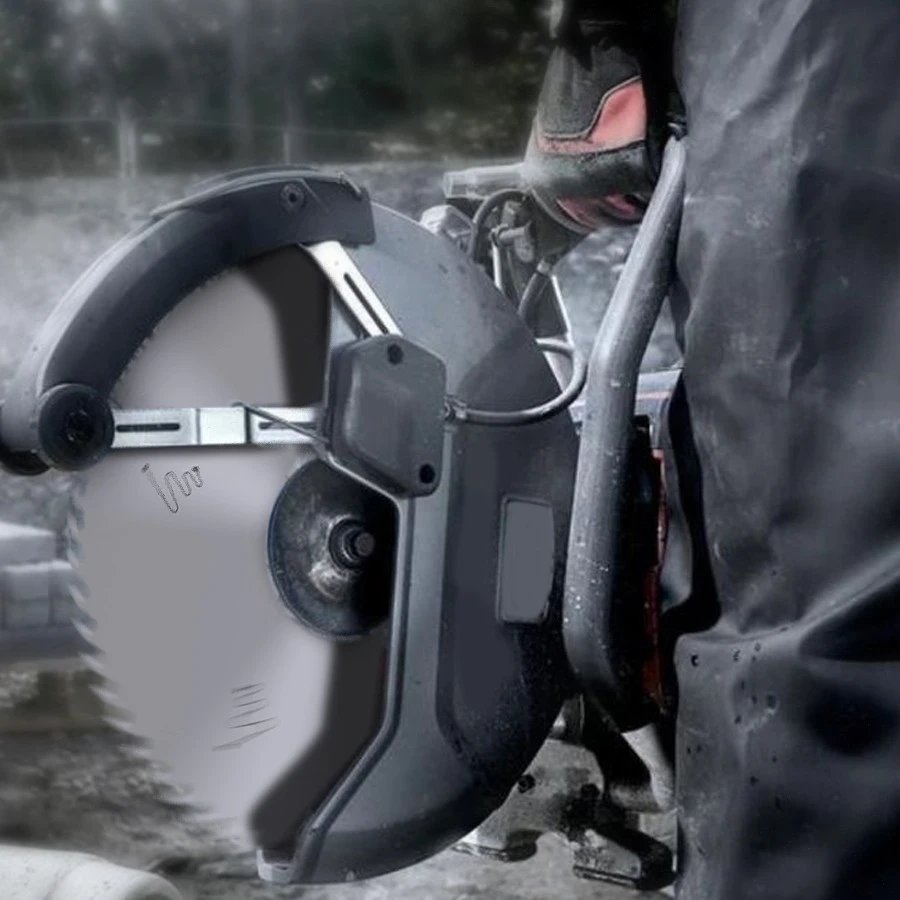
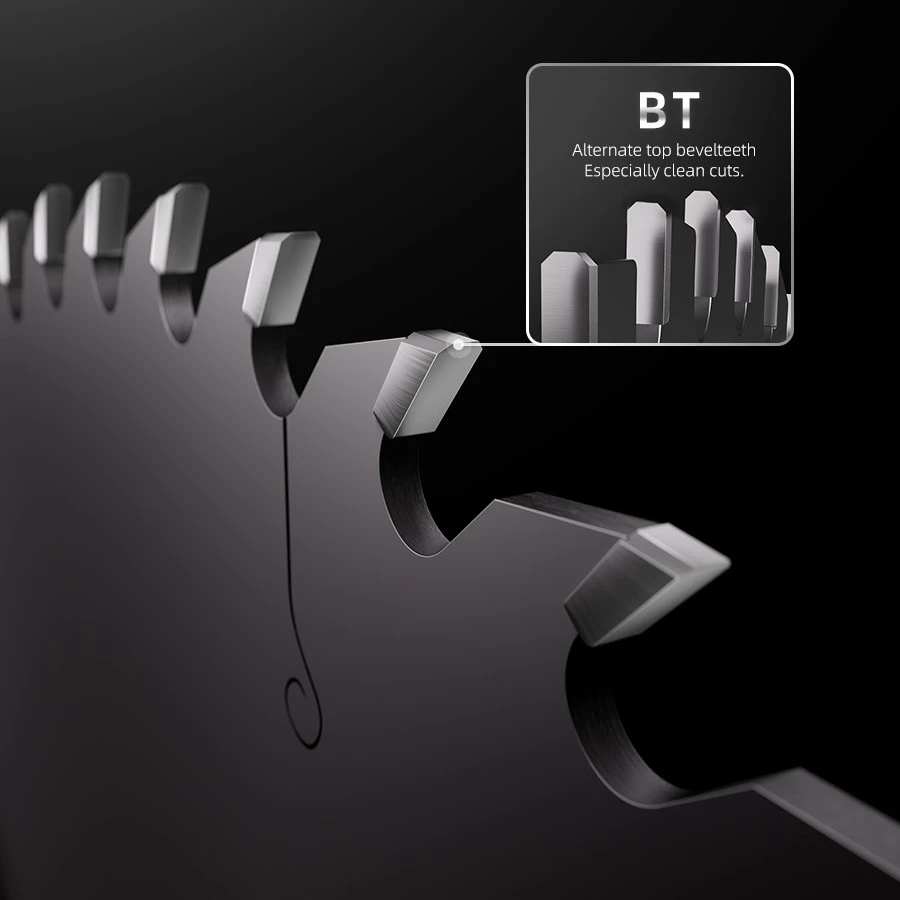
Comparative Thermodynamic Analysis To fully appreciate the energy efficiency of laser-welded TCT blades, they must be benchmarked against alternative industrial technologies:
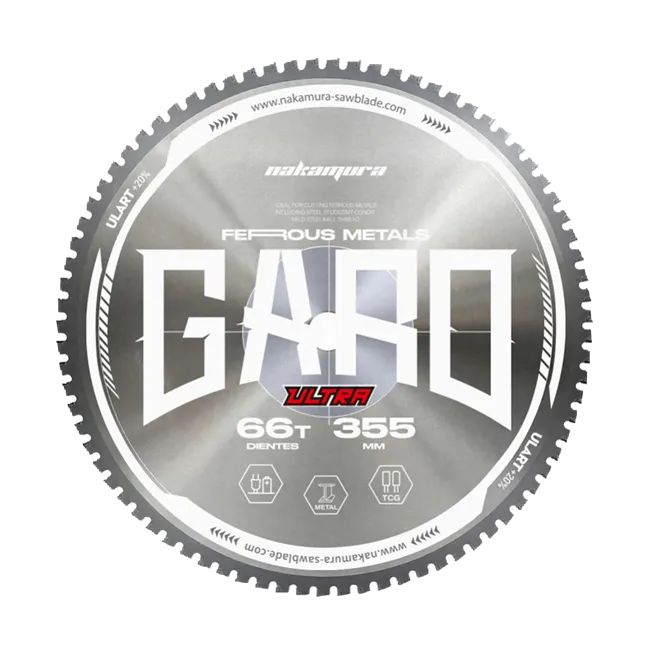
Abrasive Cutting Wheels: Abrasive discs operate on thermal degradation rather than shearing. They literally melt and grind through structural metals, a process that converts massive amounts of electrical energy into wasted heat and sparks. Replacing an abrasive wheel with a specialized Multipurpose Chop Saw Blade transforms the operation. The TCT geometry cleanly shears the ferrous material, generating minimal heat and requiring a fraction of the sustained amperage from the chop saw's motor.
High-Speed Steel (HSS) Cold Saws: While HSS blades are effective for specialized low-RPM metal cutting, their lack of extreme abrasion resistance means the cutting edge degrades rapidly. As the edge rounds over, the cutting resistance spikes exponentially, forcing the motor to draw significantly more power to push through the substrate. Tungsten carbide maintains its micro-edge drastically longer, ensuring a flat, predictable power consumption curve over the tool's lifecycle.
Polycrystalline Diamond (PCD): While PCD blades are superior for highly abrasive composites (like fiber cement), they are capital-intensive. For the vast majority of standard industrial applications (hardwoods, non-ferrous metals, standard polymers), laser-welded TCT blades provide the optimal balance of low power consumption, high feed rate capabilities, and cost-efficiency.
Conclusion for B2B Procurement Energy consumption in cutting operations is a direct byproduct of friction, vibration, and edge retention. By standardizing procurement around laser-welded TCT saw blades engineered with precise geometries, industrial facilities can significantly lower the amperage draw of their machinery, extend equipment lifespans, and maximize overall production yield.