



In modern commercial construction, fibre cement boards reinforced with steel mesh present extreme thermodynamic and mechanical challenges. Procurement engineers and contractors must source cutting tools engineered specifically for high-abrasion and high-impact environments. Selecting the correct metallurgical composition and structural geometry is paramount to ensuring operational safety and efficiency.
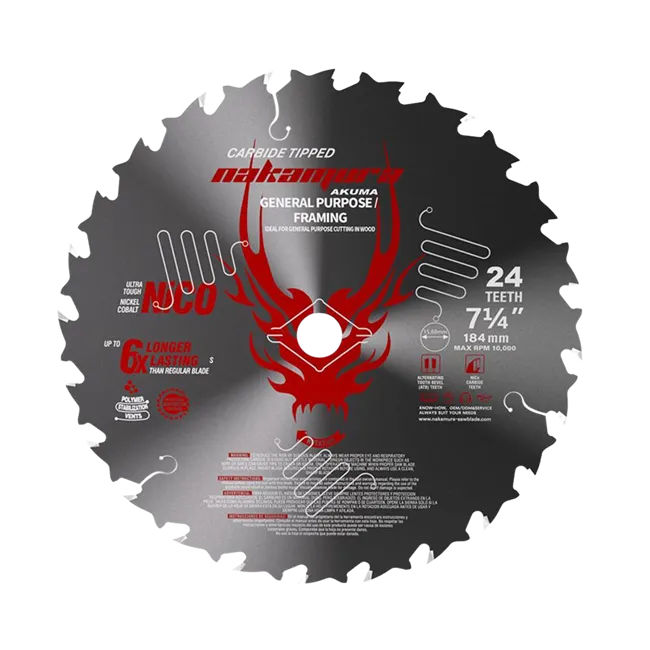
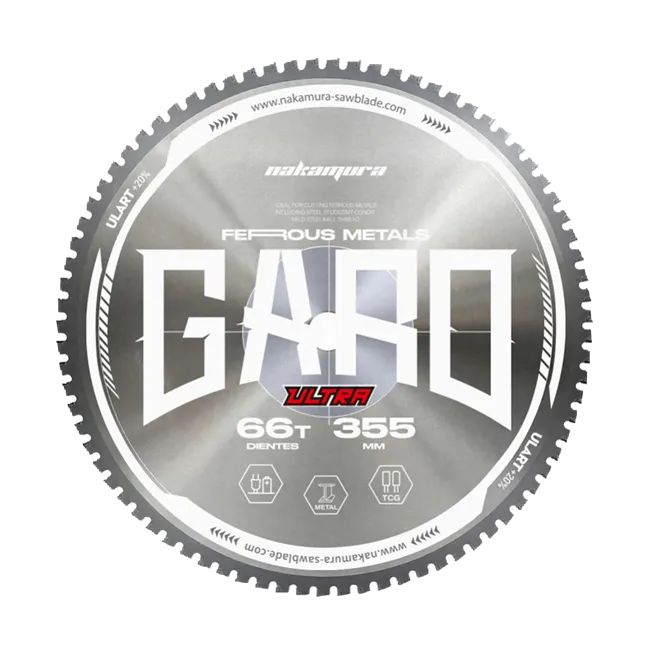
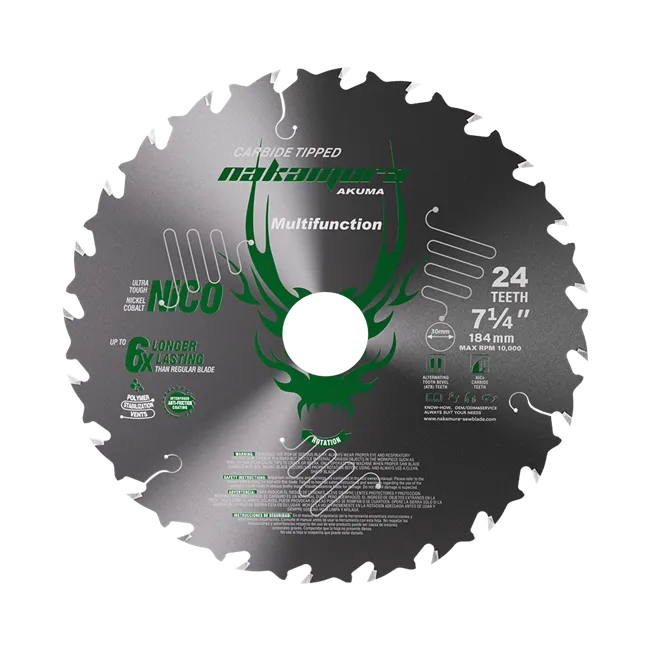
For tight architectural spaces requiring high maneuverability on standard substrates, compact tools like the Multi Blade Circular Saw 147mm provide excellent precision. However, when transitioning to heavy-duty structural materials, the blade's engineering must scale accordingly. For instance, processing standard heavy timber requires a tool like the 24T TCT Saw Blade, which utilizes state-of-the-art laser welding to fuse the carbide tips to the steel body, ensuring the teeth withstand severe torque. Conversely, when job sites present a hybrid of standard lumber and light gauge steel framing, operators frequently deploy a specialized Circular Saw Blade for Wood And Metal to maintain workflow without constant blade changes.
While these tools excel in their specific domains, cutting metal-reinforced fibre cement demands the highly specialized architecture of a 184mm Fibre Cement Blade.
Metallurgy and Impact Resistance
Fibre cement contains high concentrations of silica, a highly abrasive compound that rapidly degrades standard cutting edges. When steel reinforcements are added to the matrix, the blade faces the dual threat of abrasion and extreme mechanical shock. Professional-grade 184mm fibre cement blades bypass standard carbide, utilizing Polycrystalline Diamond (PCD) or specialized impact-resistant cermet tips. These advanced tips must be laser-welded to a high-tension alloy steel plate to prevent catastrophic tooth shearing upon impact with the embedded steel mesh.
Tooth Geometry and Dust Mitigation
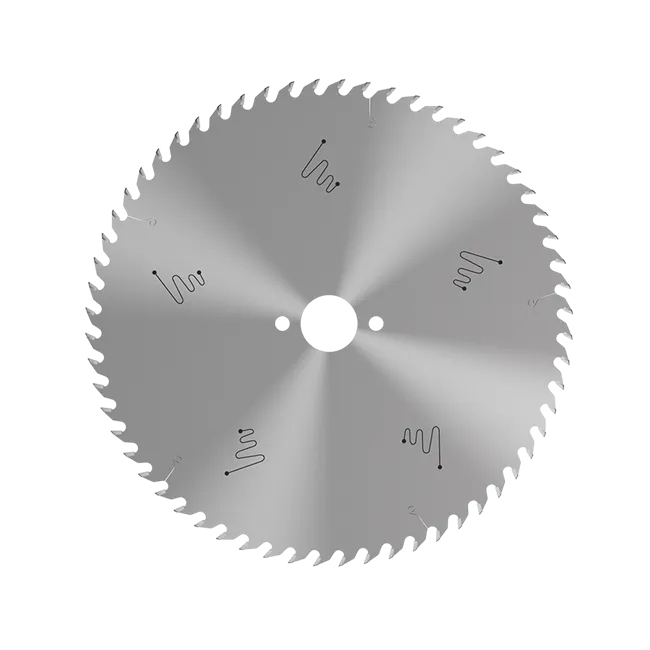
A critical safety mandate when processing silica-rich materials is the reduction of respirable crystalline silica dust. Unlike metal-cutting blades, a fibre cement blade must utilize an ultra-low tooth count (typically 4T to 6T). This aggressive geometry forces the blade to produce heavy, manageable chips rather than lethal dust clouds. The flat-top grind (FTG) combined with massive gullets ensures rapid chip evacuation, minimizing frictional heat and preventing the blade from binding against the metal reinforcements.
Operational Parameters
Operator kinematics directly influence blade longevity. Cutting reinforced fibre cement requires a decisive, steady feed rate and strict adherence to the saw's optimal RPM. Forcing the blade generates excessive localized heat, leading to plate warping and thermal degradation of the cutting tips.