


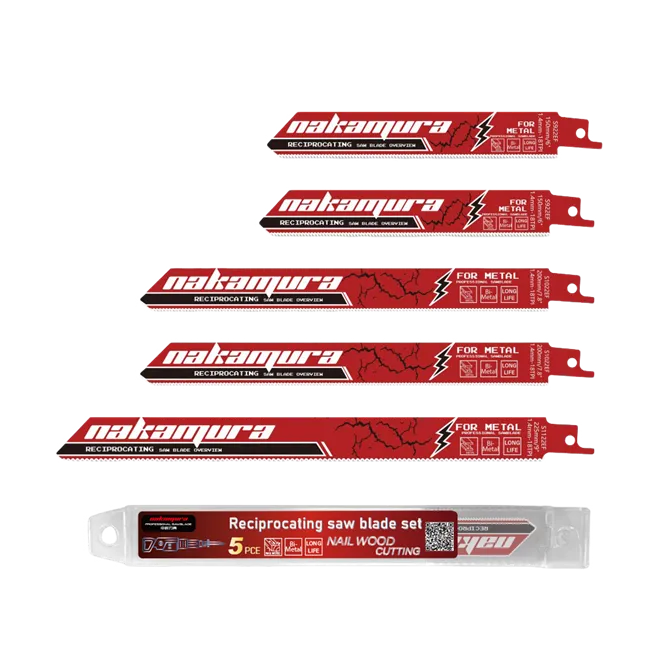
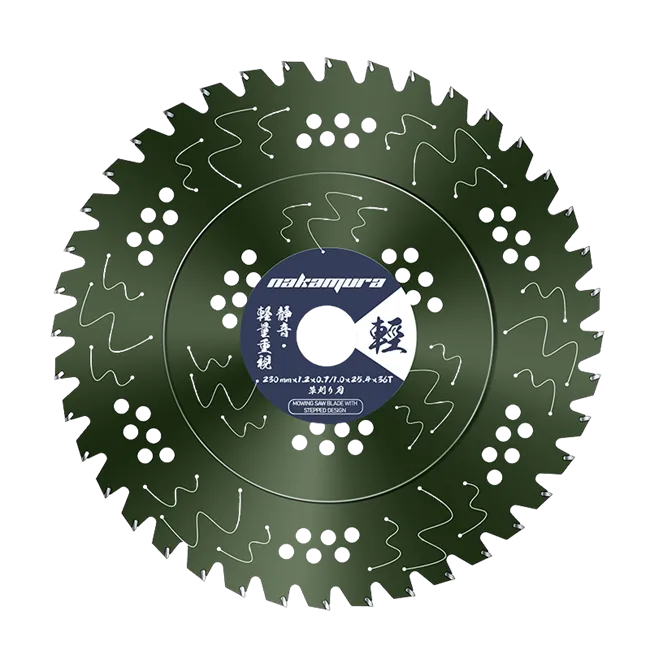

For shops cutting steel tube, pipe, square tube and structural profiles, blade selection directly affects cut quality, blade life and production efficiency. Tube cutting is demanding because the blade repeatedly enters and exits the material while wall thickness and contact area change, increasing the risk of vibration, tooth impact and off-square cuts.
Thinner walls generally require finer tooth pitches to reduce tooth snagging, while thicker sections need better chip clearance. Machine rigidity, clamping, RPM and feed rate also play an important role in blade performance.
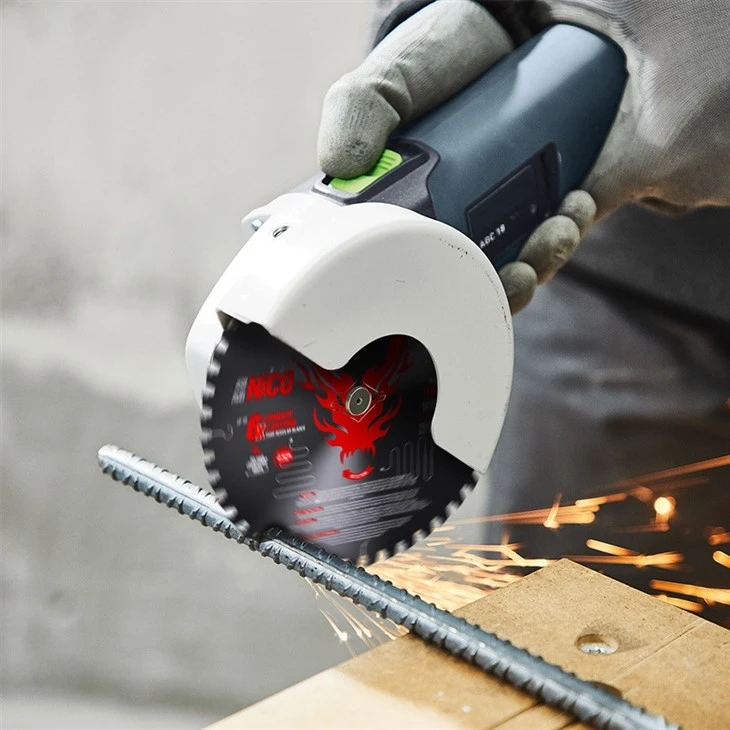
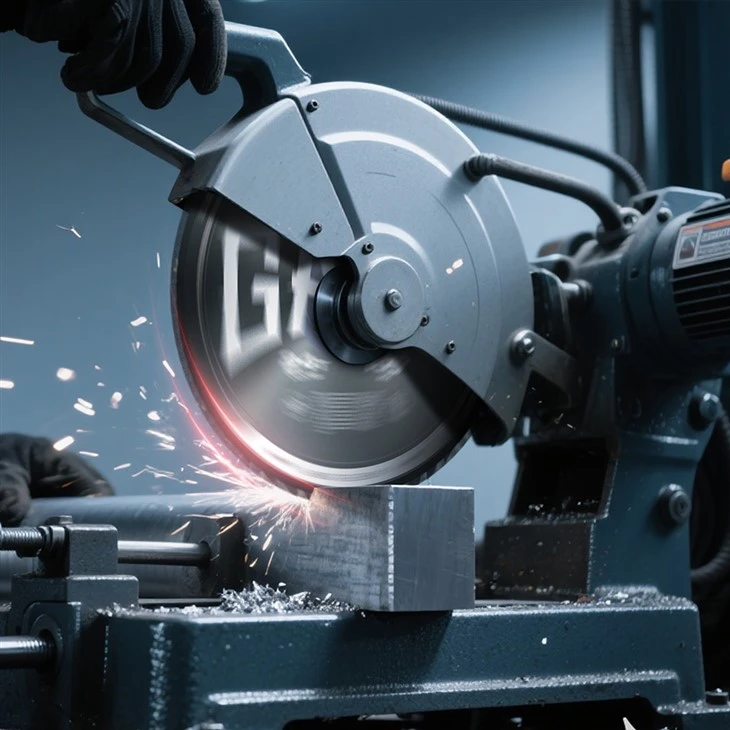
For steel pipe, angle steel and other profiles, Nakamura offers several metal-cutting solutions. The 7 1 4 Steel Cutting Blade uses a 48T BT tooth configuration for steel pipe, square/round tube and angle steel.
For broader tube and profile applications, the Cold Cut Metal Saw Blade uses Cermet/Carbide-tipped teeth and BT geometry for applications including steel pipe, round pipe and angle steel.
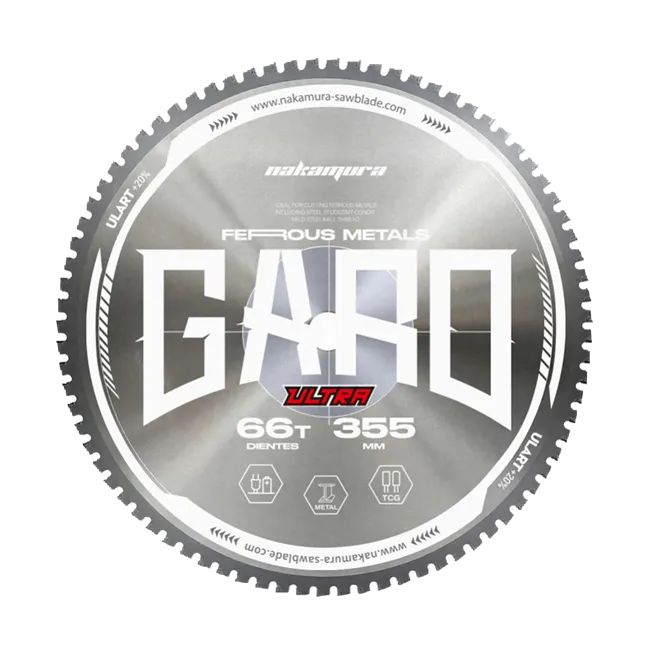
For aluminum, copper, brass and other non-ferrous materials, Nakamura's Non Ferrous Metal Cutting Blade is part of the GARO Metal Series and is available in different diameters and tooth counts.
For production shops, the right blade can influence blade-change frequency, cutting consistency and overall workflow. Matching the blade to the material, wall thickness, machine speed and cutting method is generally more effective than relying on a one-size-fits-all solution. Nakamura also supports customized specifications and OEM/ODM production.