

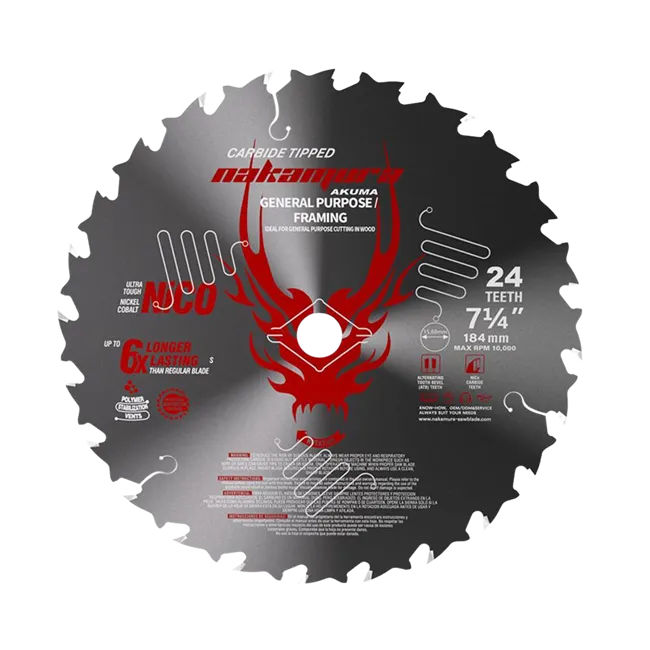
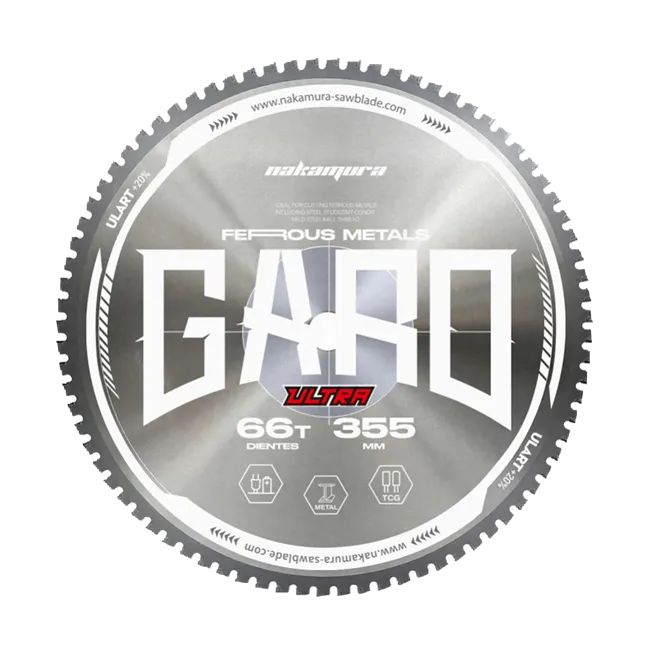
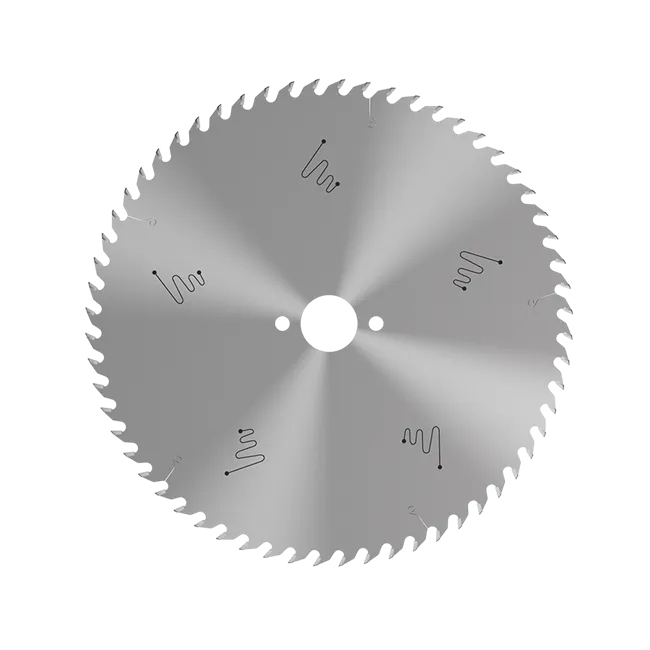
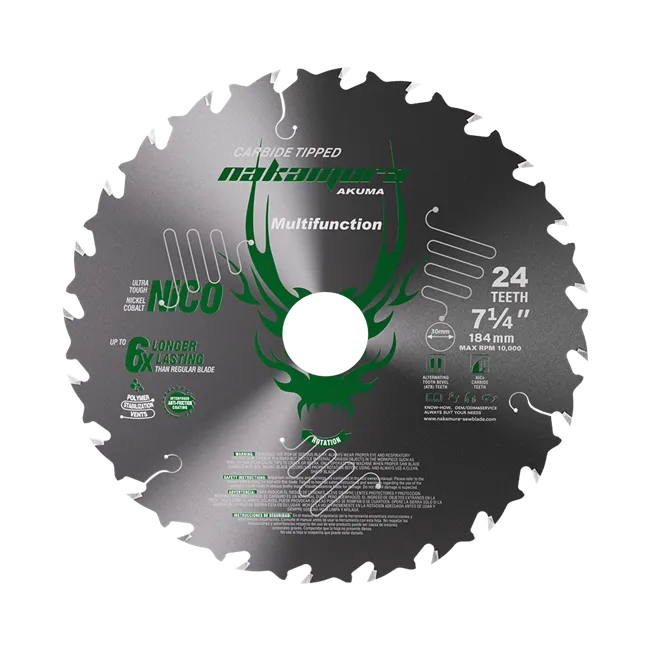

PCD-tipped (Polycrystalline Diamond) saw blades are considered high-end cutting tools, and their higher price point can be attributed to several factors that make them significantly more expensive than standard saw blades. Why is it expensive?
1. Material Cost
Polycrystalline Diamond is not a naturally abundant material and is made through a complex process that involves sintering diamond particles with a carbide substrate under extreme pressure and temperature. This process ensures that the diamonds are tightly bonded to the carbide, creating a blade tip that is incredibly hard and wear-resistant. The synthetic diamonds used in the manufacturing of these tips are costly to produce, and this material cost significantly raises the price of the final product.

2. Manufacturing process
The manufacturing of PCD-tipped blades involves a precise and intricate process that requires advanced technology and specialized equipment. Unlike regular blades, which can be manufactured with simple grinding or coating techniques, PCD blades require diamond-tipped grinding tools, high-temperature sintering furnaces, and specialized bonding techniques. The entire process is time-consuming and requires skilled labor, adding to the overall cost.
3. Durability and Performance
PCD-tipped blades are known for their exceptional durability and long lifespan. They are specifically designed for cutting hard and abrasive materials such as concrete, stone, composites, and metals. Unlike standard carbide-tipped blades, PCD blades maintain their sharpness for much longer, reducing the need for frequent replacements. This superior cutting performance ensures smoother cuts and higher productivity over time, which makes them an attractive option for industries that need long-lasting tools. However, this high-performance quality comes at a premium, contributing to the higher price.

4. Low production volume
Since PCD-tipped saw blades are used primarily in specialized industries, they are produced in smaller quantities compared to regular saw blades. Lower production volumes often mean higher unit costs because manufacturers do not benefit from economies of scale. This, coupled with the use of expensive materials and advanced manufacturing techniques, means that PCD blades are priced higher. While their long lifespan and performance justify the cost for certain applications, the low production numbers keep the price relatively high.
5. Teflon Coating in Circular Saw Blades
Teflon coating has become a go-to feature for many circular saw blades, offering a range of benefits that make them more efficient and durable. One of the main reasons Teflon is so valuable in saw blades is its ability to reduce friction. When you're cutting through tough materials, friction naturally builds up and generates heat. Teflon helps to minimize that friction, allowing the blade to glide through the material more smoothly. This means the saw blade stays cooler for longer, which leads to better cutting performance and reduces the chances of overheating or warping.
Teflon also acts as a protective shield against rust and corrosion, which is perfect if you're working in damp or humid conditions. This coating prevents moisture and chemicals from damaging the blade, allowing it to last much longer. So, whether you're cutting metal or wood treated with chemicals, the Teflon coating provides an extra layer of protection that helps your saw blade stay in top shape.

If you've ever tried cutting sticky materials like plastics or resins, you know how frustrating it can be when debris sticks to the blade. Teflon helps prevent that by creating a smooth, non-stick surface. As a result, there's less material buildup, which keeps your cuts cleaner and makes the blade easier to maintain. This means you spend less time cleaning the blade and more time working.
Another major advantage of Teflon-coated saw blades is their ability to keep the blade from getting too hot. Cutting generates a lot of heat, and excessive heat can lead to problems like warped blades or premature wear. By reducing heat buildup, Teflon keeps the blade cooler, which ensures that it cuts more precisely. This makes it especially useful when you're working on continuous cutting tasks or cutting through materials that tend to heat up quickly.