

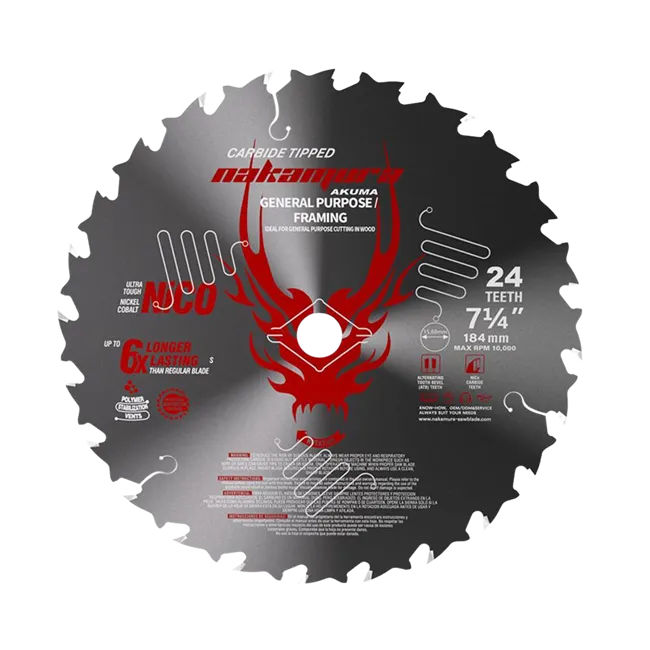
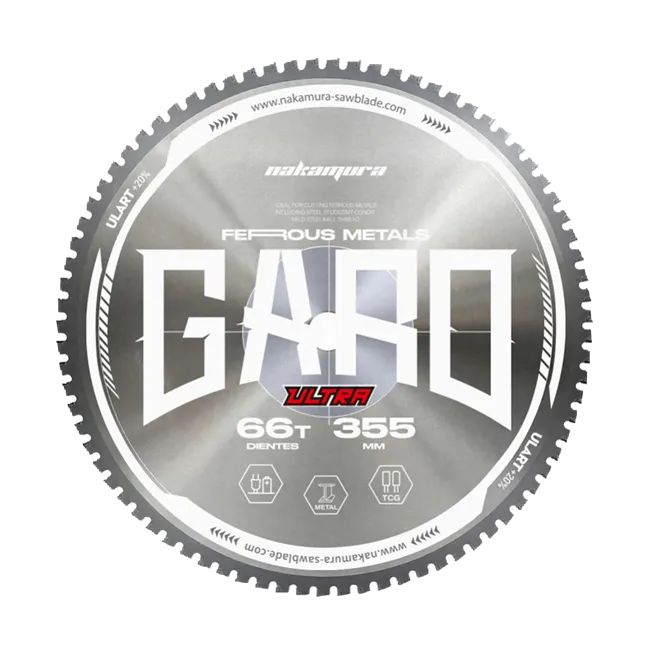
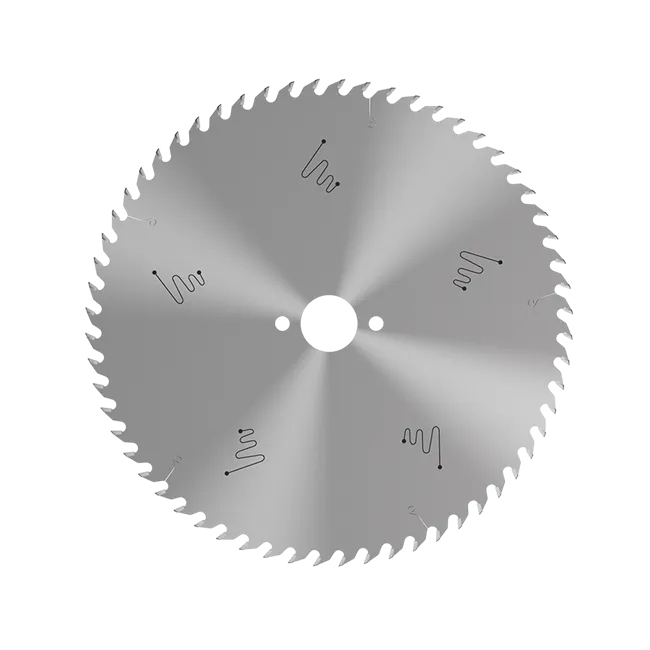
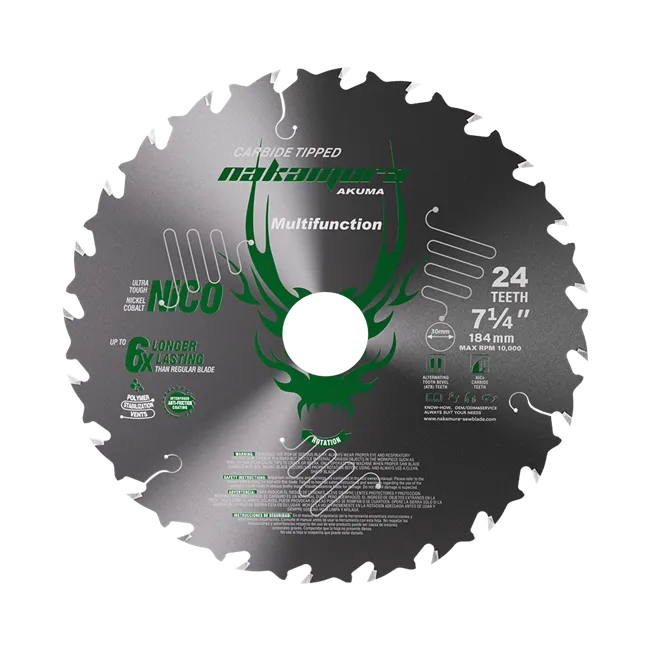

Some saw blades have so-called coatings on the substrate, such as titanium plating, nitride black, chromium nitride color, etc., such coatings are designed to reduce friction, rust, and resin accumulation. Of course, some special saw blades are coated with metal or PTFE to resist the deformation of the saw blade substrate, maintain the hardness of the saw blade, and prevent heat generation. This kind of coating can effectively protect the saw blade and eliminate sawdust in time. The high-quality coating keeps the saw blade sharp for longer and consumes less energy. There are two different types of coatings that can be used for saw blades, one for the saw blade substrate and the other for the saw teeth. When the saw blade has two types of coatings, they will be different coatings because they achieve different purposes.

The saw blade substrate is coated with a protective layer to prevent rust or friction. Modern metal processing has developed a variety of manufacturing methods and used different alloys in the casting process to improve durability. The type of coating depends on the hardness of the metal making the saw blade, the rake angle, the back angle (clearance angle), tooth shape design, bonding material, and general-purpose. Some manufacturers paint saw blade substrates, mostly blue, red or orange, to provide brand recognition, but they can still provide rust-proof boards. Some high-cost saw blades are coated with polytetrafluoroethylene (PTFE) to reduce friction. This type of coating can be very valuable because the greatest friction comes from the debris clamped between the saw blade plate and the material being cut. By coating the saw blade substrate, these fragments will not stick to the saw blade. In addition, sometimes the material will squeeze the saw blade, even if the saw blade substrate is thinner than the teeth, especially for hand-held circular saws and electric saws.
The serrated coating is an important part of extending the life of the saw blade. Wood products are highly fibrous and tend to dull any saw blade. When cutting hard materials such as composite materials or plywood, the temperature is easily close to the melting point. This requires additional overheat protection. The harder the material used on the teeth, the longer the blade will last without dulling the teeth. Therefore, some extremely hard materials are used to cover the serrations.

Carbide serrations can also be improved by coating. Tungsten, titanium, cobalt, or vanadium can be electroplated on the cemented carbide to increase its surface hardness, reduce serration wear, and maintain sharpness for longer. The material can be identified by the color of the saw blade. In addition to permanent sharpness, this coating also has the characteristics of clean cutting, has a certain anti-corrosion performance, and will not damage the internal structure of the metal. The only disadvantage of carbide saw blades is that the coating is lost after re-sharpening.