



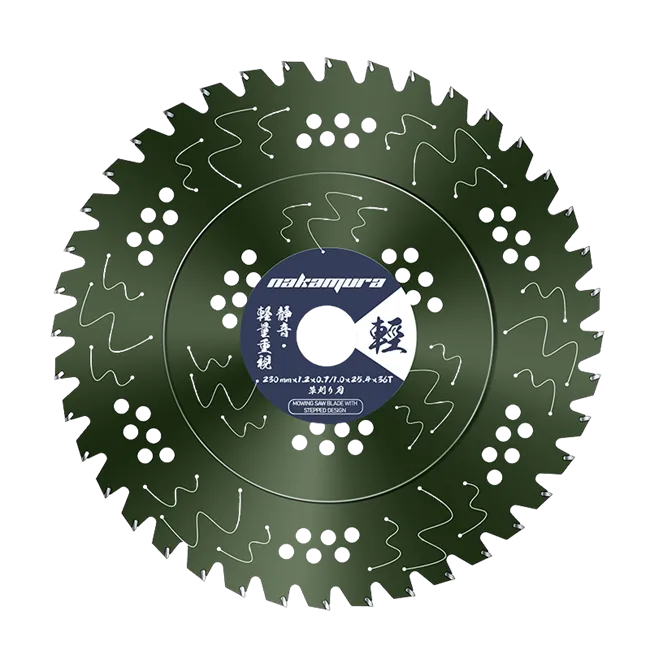

In woodworking, saw blades are among the most common and crucial tools. From fine woodworking to on-site processing, saw blades take on vital cutting tasks. Choosing the right saw blade not only improves work efficiency but also ensures cutting precision and reduces unnecessary maintenance costs.
This guide will help you understand the basic types of saw blades, material differences, and selection tips, allowing you to choose the most suitable blade for your specific needs and elevate your overall production efficiency and product quality.
1. The Basic Functions and Roles of Saw Blades
The primary function of a saw blade is to cut wood or related materials. They slice through materials precisely using high-speed rotation and sharp edges. Common applications include timber cutting, panel sizing, and furniture parts processing. Different blade designs and materials affect their performance in various applications.
When choosing a blade, understanding its function and applicable scenarios is essential. For instance, fine woodworking and job-site processing require high-precision, efficient cutting, which is perfectly handled by tools like our 7 1 4 40T Carbide Circular Saw Blade. Designed specifically for lithium-battery cordless tools, its ultra-thin kerf ensures maximum precision, reduced cutting resistance, and extended battery life. In contrast, heavy-duty large-scale processing might prioritize continuous stability over portability.
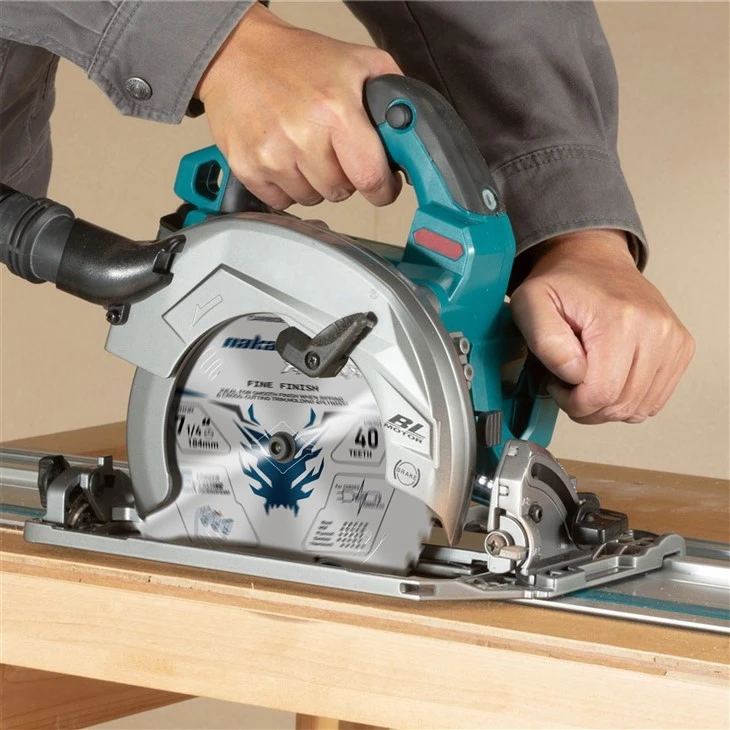
2. Blade Material Selection: TCT vs. PCD
The material of the saw blade directly determines its durability, cutting performance, and application range. Below are the two most common blade materials: TCT (Tungsten Carbide Tipped) and PCD (Polycrystalline Diamond).
TCT Saw Blades (Tungsten Carbide Tipped)
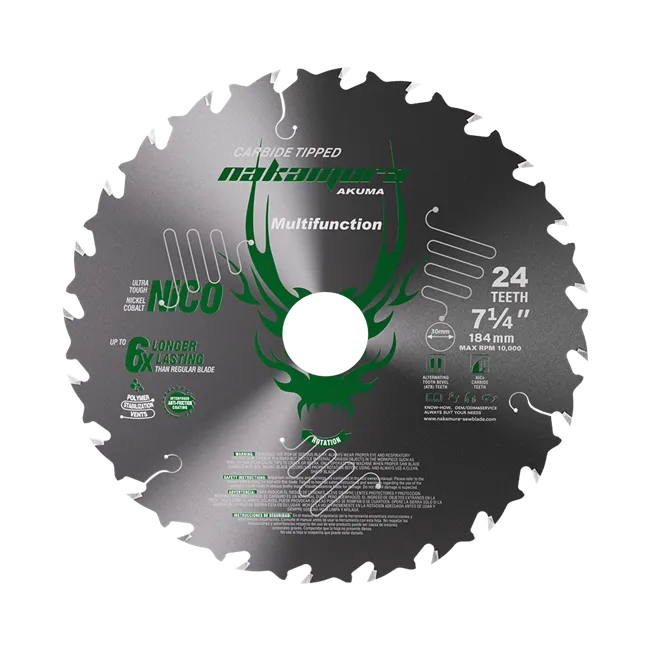
Applicable Scenarios: TCT blades are widely used for cutting Medium Density Fiberboard (MDF), plywood, softwood, and hardwood. They are especially suitable for high-volume processing and versatile power tool applications. For projects requiring you to switch between materials without changing tools on site, the 185mm Multipurpose Circular Saw Blade offers exceptional adaptability, seamlessly handling wood, plastics, and composite materials.
Advantages:
High Durability: Tungsten carbide tips can withstand high cutting loads, offering a long service life.
High Cost-Effectiveness: TCT blades perform exceptionally well in conventional woodworking and offer great value for money.
Selection Guide: If you need fast, efficient cutting of large batches of medium-to-hard wood, particularly with portable power tools, a TCT blade is an ideal choice.
PCD Saw Blades (Polycrystalline Diamond) & Hard Material Alternatives
- Applicable Scenarios: PCD blades are traditionally suited for stationary machinery cutting high-density boards, artificial panels, and highly abrasive plastics, especially in scenarios requiring long hours of high-load work. However, when working with portable lithium-battery circular saws on materials like non-ferrous metals, a specialized TCT blade is the industry standard. For example, our Aluminum Cutting Circular Saw Blade is expertly engineered to tackle aluminum with precision on portable tools, offering a safer and highly efficient alternative to brittle PCD tips.
- Advantages (PCD):
- Extreme Wear Resistance: PCD edges are incredibly hard and remain sharp over prolonged use.
- High Precision: For jobs demanding exact cuts on uniform boards, PCD provides a highly stable cutting effect.
- Selection Guide & Precautions: If you require cutting highly abrasive materials on heavy industrial machinery, PCD is a strong option. However, PCD blades are highly dependent on the uniform density of the board. You must strictly avoid iron impurities (like embedded nails) in the material, as these will shatter the diamond tips and drastically shorten the tool's lifespan.
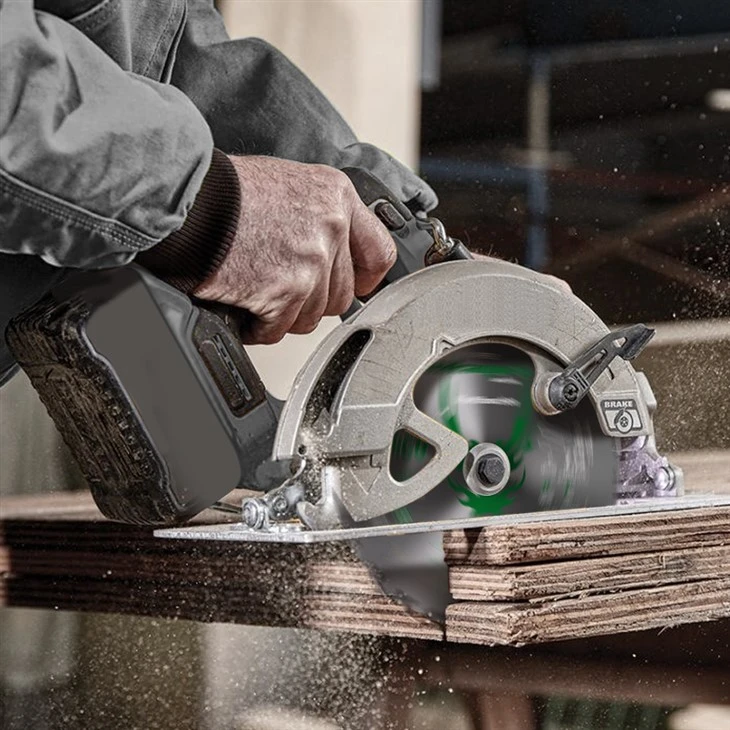
3. Care and Maintenance: Extending Blade Life
Proper care and maintenance can significantly extend the life of your saw blades and ensure they always deliver the best cutting results. Here are some maintenance tips:
- Regular Cleaning: Regularly remove resin, pitch, and sawdust build-up from the blade to prevent residue from affecting the cut quality and generating excess heat.
- Inspect Edge Wear: After a period of use, the blade edges will naturally wear down, which strains your power tool's motor. Regularly inspect the teeth and have the blade professionally sharpened or replaced when necessary.
- Proper Storage: Avoid exposing your saw blades to humid environments to prevent rust and corrosion on the steel body.
Conclusion
Whether you choose a TCT blade for your cordless tools or explore PCD options for industrial machines, the most important step is making a decision based on your specific processing needs. Understanding the characteristics and applications of different blades helps improve production efficiency, extend tool life, and ensure product machining precision.
Get a Quote Today: If you are unsure which saw blade best suits your needs, or if you require customized tooling recommendations for your lithium-battery power tools, feel free to contact us. We will provide professional consulting and personalized quotes to help you make the best choice.