


As power tools become more common in home improvement and DIY repair work, tools such as angle grinders, circular saws and reciprocating saws are being used by more non-professional users. However, many cutting accidents come from the same root cause: using the wrong accessory on the wrong tool, or forcing the tool through the material until the wheel binds, kicks back or loses control.
Why Can an Angle Grinder Become Dangerous?
An angle grinder is a high-speed rotating tool. Many compact models run at several thousand to more than ten thousand RPM. The speed itself is not the only problem. The real danger comes from incorrect accessory matching and poor cutting technique.
During cutting, if the disc is pinched by the workpiece, the cut closes, the tool twists, or the operator forces the grinder too aggressively, the wheel may bind suddenly. When this happens, the tool can kick back in the opposite direction of the wheel movement, creating a serious risk of injury.
That is why the first rule of safe cutting is not "push harder." It is "match correctly": the tool, accessory, material, speed rating, guard and cutting method must all be compatible.
Mistake 1: An Angle Grinder Is Not a Universal Cutting Machine
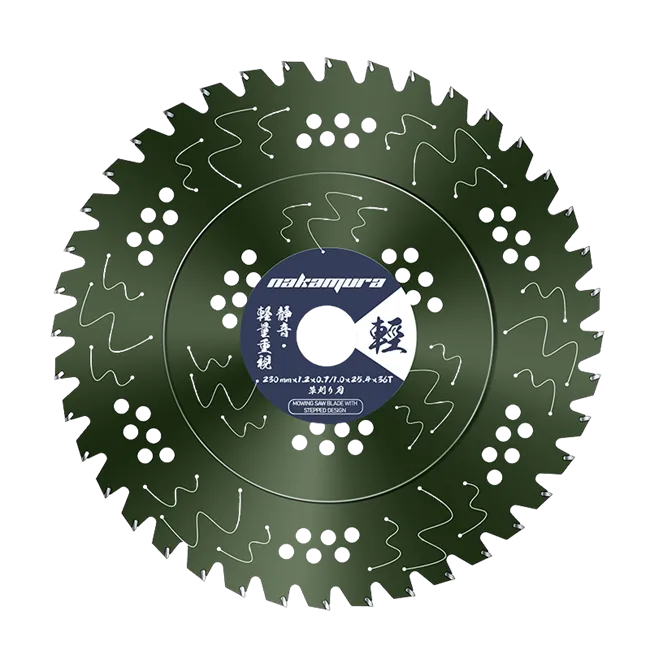
Many DIY users treat an angle grinder as a tool that can cut almost anything. This is a dangerous misunderstanding. An angle grinder should only be used with cutting wheels, grinding wheels or accessories approved by the tool manufacturer. Toothed wood saw blades, chainsaw discs or unknown modified attachments should not be fitted to an angle grinder.
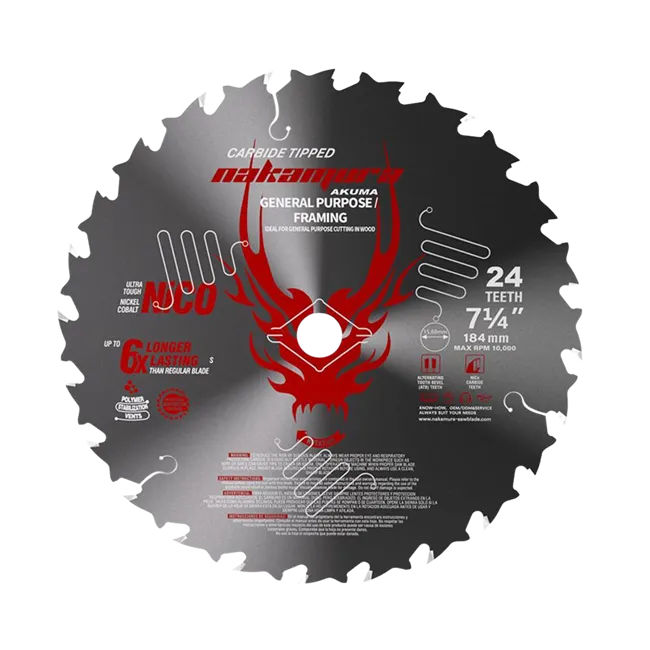
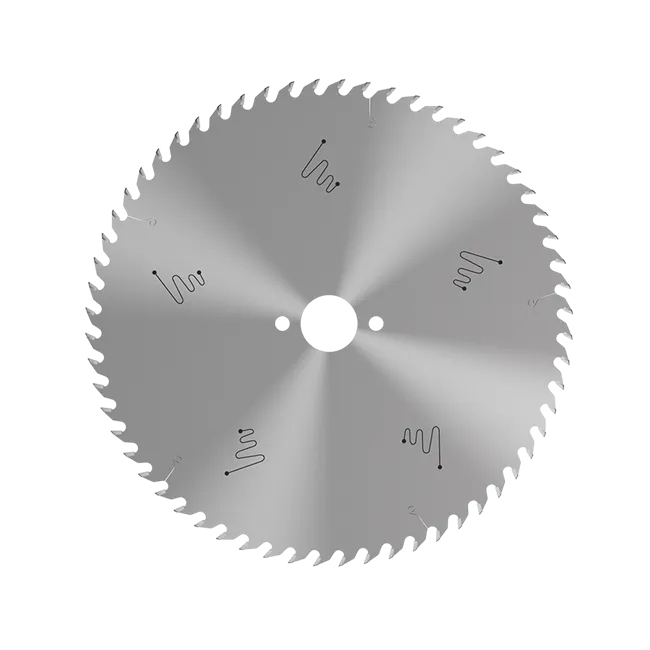
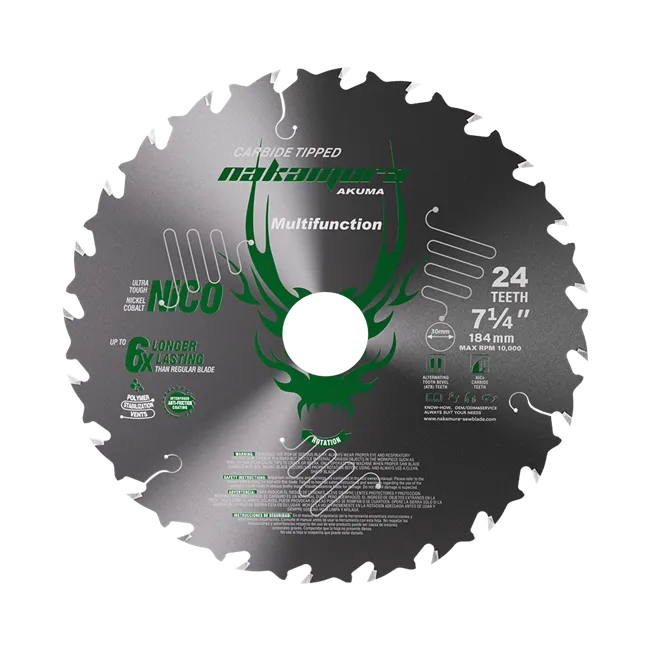
For straight cutting in wood, boards or engineered panels, a safer and more appropriate setup is usually a circular saw fitted with a proper wood-cutting blade. For example, the Nakamura 184mm TCT Saw Blade For Wood is designed for wood, OSB, MDF, plywood and similar materials when used on compatible circular saw equipment. It should not be treated as an angle grinder accessory.
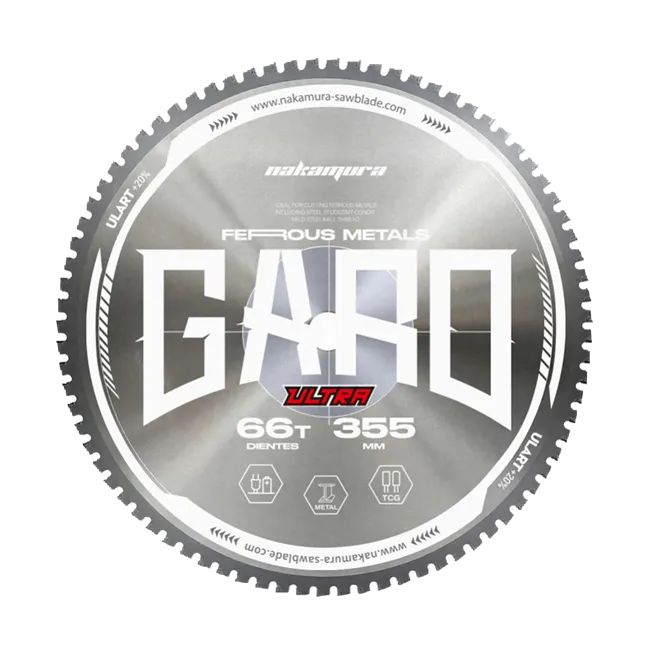
For mixed-material cutting, the blade should still be selected according to the tool type and material. The Nakamura Multi Purpose Saw Blades are intended for multi-material cutting applications, but users must still confirm the blade diameter, bore size, maximum RPM and machine compatibility before use.
Mistake 2: Forcing the Cut Is Not Efficiency - It Is Risk
Excessive pressure, deep cutting in one pass, twisting the tool, or grinding with the side of a cut-off wheel can increase the risk of binding, wheel breakage and kickback. A safer cutting method should follow these principles:
- Allow the tool to reach full speed before entering the material.
- Use light, controlled pressure instead of forcing the wheel.
- Keep the cutting direction stable and avoid twisting the disc.
- Do not apply side pressure to a cut-off wheel.
- Secure the workpiece with clamps so the cut does not close on the wheel.
- Stop immediately if there is abnormal vibration, unusual noise, excessive sparking or wheel wobble.
For thicker or harder materials, a small handheld grinder should not be forced beyond its capacity. If the material exceeds the tool's practical cutting ability, use a more suitable machine such as a chop saw, table saw, cold cut saw or another fixed cutting system.
Mistake 3: Local Cutting Does Not Always Require an Angle Grinder
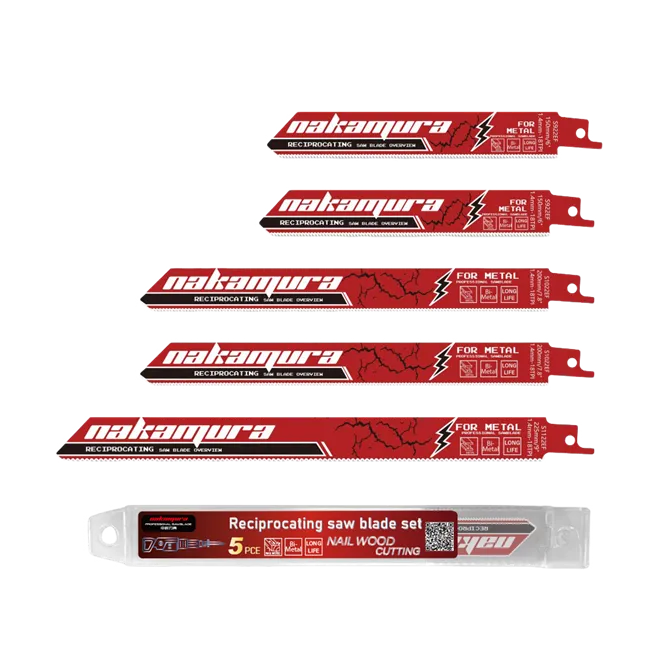
For trimming, small cuts, renovation work or access-limited areas, an angle grinder is not always the best option. In applications such as pruning, cutting wood, cutting plastic pipe or demolition work, a reciprocating saw can often provide better control. For example, Nakamura Wood Pruning Reciprocating Saw Blades are suitable for wood, wood with nails and plastic applications when used with compatible reciprocating saws.

For fine trimming, small openings or detail work, an oscillating multi-tool may also be considered. Its cutting action is different from a high-speed rotating disc and may reduce kickback risk in certain precision tasks. However, it is not a replacement for every cutting tool. Thick materials, long straight cuts and heavy-duty applications still require the correct dedicated equipment.
Safety Checklist Before Cutting
- First, check the tool label and accessory marking. The wheel's maximum rated speed must be equal to or higher than the grinder's speed.
- Second, keep the guard and side handle installed. Do not remove them because they block your view or feel inconvenient.
- Third, secure the workpiece with clamps. Do not hold it by hand, step on it or leave it unsupported.
- Fourth, keep your body out of the wheel's plane of rotation and out of the possible kickback path.
- Fifth, wear safety glasses and a face shield. Use hearing protection, respiratory protection and close-fitting protective gloves where required. Do not wear loose cotton gloves, loose clothing or anything with dangling threads.
- Sixth, do not put the tool down until the wheel has completely stopped. Do not pull the wheel out of the cut while it is still rotating.
- Seventh, never use a cracked, damp, dropped, distorted or unmarked cutting wheel.
Professional Work Starts With Respect for the Rules
Power tools improve efficiency, but only when their limits are respected. Professional DIY work is not about forcing the tool harder. It is about understanding the material, selecting the correct machine, matching the right accessory and using a stable, controlled cutting process.
Whether choosing professional cutting products from Nakamura or checking the guard, speed rating, clamps and working position before every cut, the goal is the same: reduce uncontrolled variables and make every cutting task safer from start to finish.