

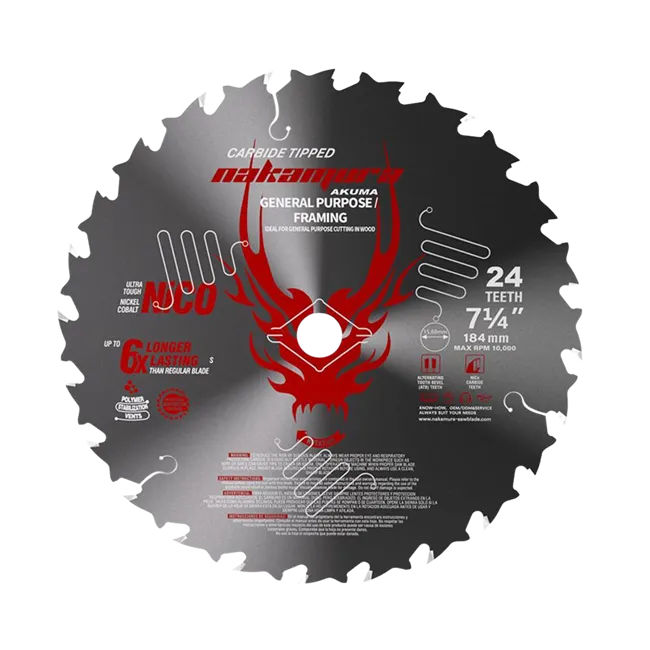
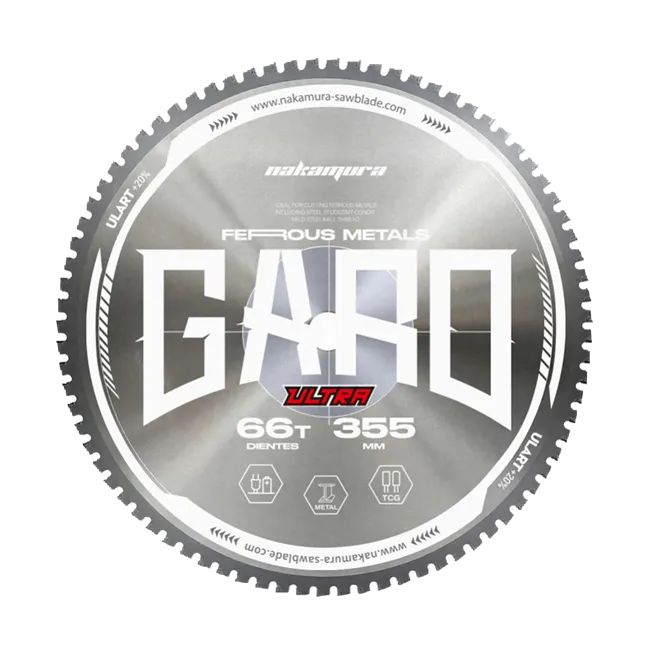
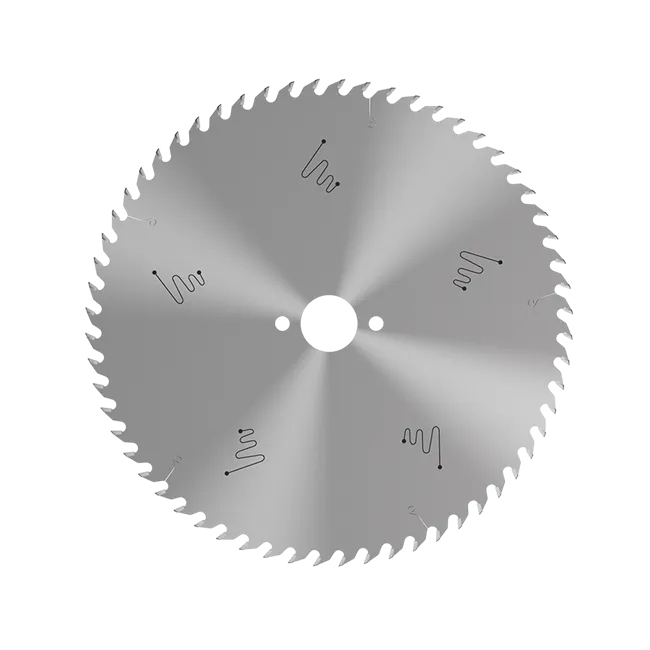
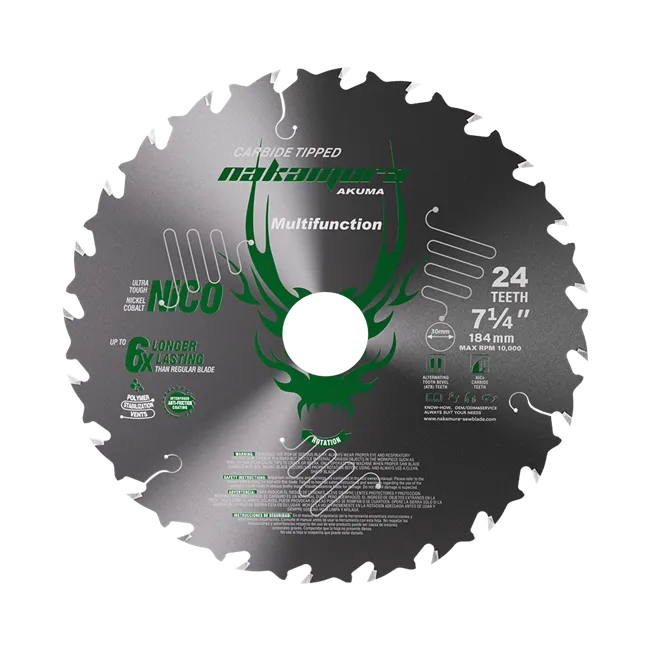

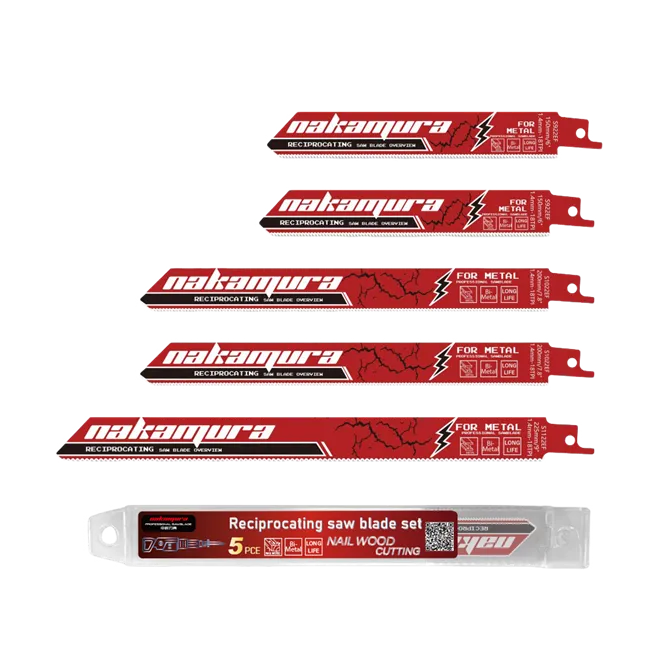
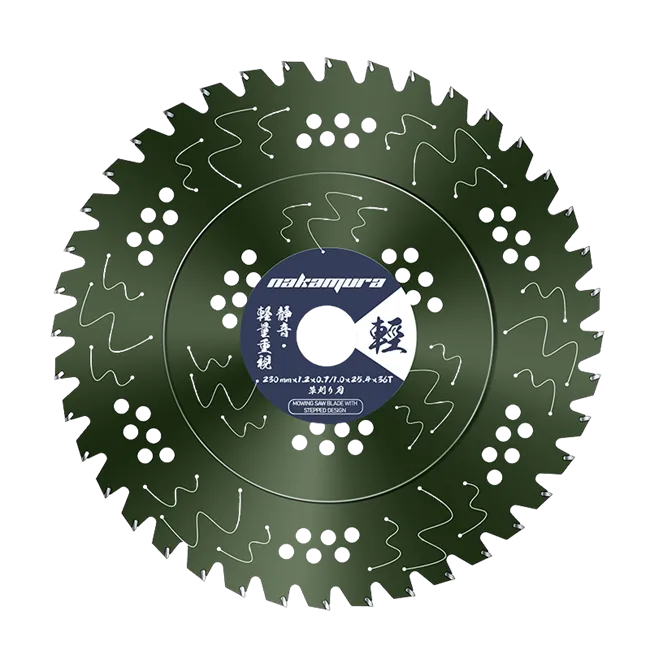
Both reciprocating and circular saw blades have their own unique advantages. Reciprocating saws excel at rough demolition and cutting thick lumber, while circular saws are ideal for making precise, straight cuts and handling fine woodworking.
The Reciprocating Saw: The Power of "Stroke Motion"
The core design of a reciprocating saw lies in its "stroke motion." Acting like a high-speed chisel, it removes debris by rapidly thrusting the blade back and forth into the material. This "plunge-style" cutting mode gives it a unique advantage: an incredible ability to "break into" materials.
When faced with situations where a circular saw cannot easily make an initial cut-such as cutting a square hole in the middle of a thick board, cutting through walls for utility remodeling, or pruning tree branches-the reciprocating saw can place its blade tip directly against the material. Once started, it relies on its impact force to "burst through" and complete the cut quickly.
When dealing with thick lumber, demolishing old framing, or cutting metal pipes and plastics, its powerful impact and deep cutting capability make it exceptionally fierce in these tough tasks. However, the trade-off for this motion is a relatively rough finish. Furthermore, because it relies on a one-way reciprocating motion, the blade's effective contact time with the material per unit of time is actually lower than that of a continuously spinning circular saw.

The Circular Saw: The Efficiency of "Rotary Cutting"
Conversely, the heart of a circular saw is its "rotary cutting." The high-speed spinning circular blade cuts through material fibers continuously and smoothly with its sharp teeth. This "sweeping" cutting mode delivers unmatched efficiency when making long, straight cuts or gentle curves.
For instance, if you need to rip a large sheet of plywood straight down the middle, or precisely crosscut a large batch of identical wood strips, a circular saw guided along a track can deliver a smooth, straight, and precise cut in just seconds. Its "speed" shines in fluidity, continuity, and high precision, making it especially suitable for sheet goods breakdown and fine woodworking. However, its limitation is that the cutting depth is typically fixed, and it cannot "plunge out of nowhere" into the middle of a material like a reciprocating saw can.

Conclusion: Which One is Faster?
Ultimately, the answer to which is "faster" depends entirely on the specific job at hand:
- Go with the Reciprocating Saw if: You need to perform destructive, plunge-style, or awkward-angle cutting (such as demolition, creating cutouts, pruning, or cutting pipes). Its superior adaptability and breakthrough speed make it the faster choice.
- Go with the Circular Saw if: You are doing high-volume, long-distance straight cuts on sheet goods. If you are chasing efficiency, precision, and a smooth finish, its continuous rotary cutting will help you get the job done with half the effort.
In short: On a demolition site or during pipe installation, the reciprocating saw is the undisputed "fast gunslinger." In a woodshop or during on-site sheet material processing, the circular saw is the ultimate efficient "assembly line." The smartest choice isn't about comparing absolute speeds-it's about matching the right tool to the task at hand.