


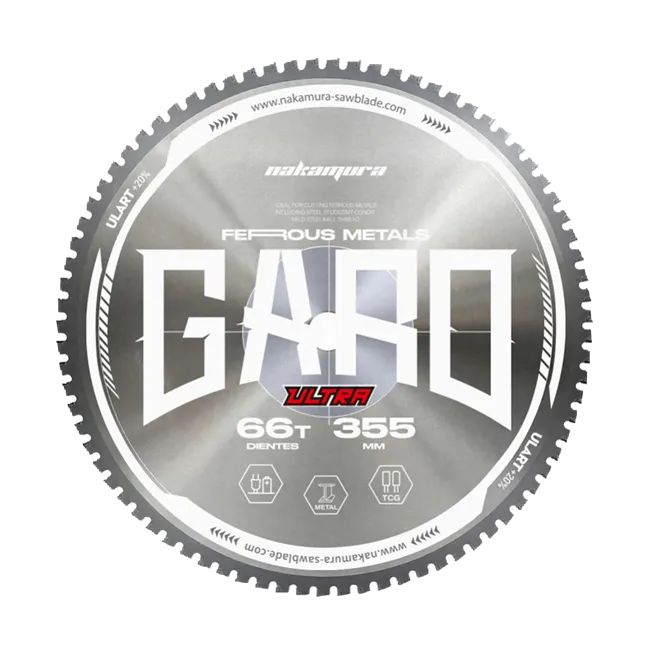
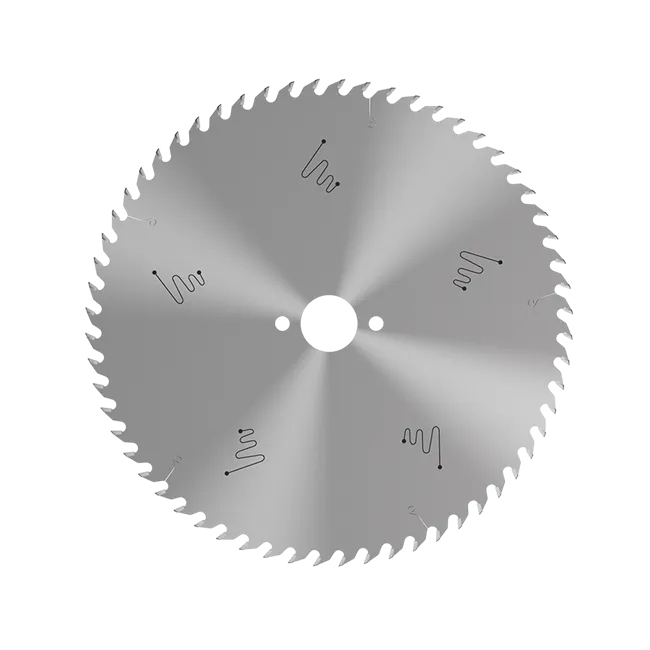



Do more teeth on a saw blade make it cut faster? In this news, we will explore the factors that contribute to the cutting speed of a saw blade and whether more teeth really make a difference.
Firstly, let's define what we mean by "cutting speed". Cutting speed refers to the rate at which a saw blade cuts through a material, such as wood, metal or plastic. This can be affected by a number of factors, including the type of blade, the teeth geometry, the speed of the saw and the material being cut.

One of the main factors that can affect cutting speed is the number of teeth on a saw blade. Generally speaking, a blade with more teeth will produce a smoother cut, while a blade with fewer teeth will cut faster but may leave a rougher finish. When it comes to saw blades for woodworking, the most common tooth count ranges from 24 to 80 teeth per blade. Blades with fewer teeth are typically used for rough cuts and ripping, while those with more teeth are used for finer cuts and crosscutting. It's also worth noting that more teeth doesn't necessarily mean the blade will cut faster. In fact, the opposite can be true in some cases. The more teeth a blade has, the more friction there is between the blade and the material being cut. This can generate more heat and cause the blade to slow down or even warp. So while a high tooth count might give you a smoother cut, it could also slow you down.

For example, the type of teeth on a saw blade can also affect cutting speed. Teeth with a more aggressive angle will usually cut faster but may be more prone to chipping or dulling quickly. Conversely, teeth with a more gradual angle will cut more slowly but can offer a smoother finish and longer blade life.
Additionally, the speed of the saw can also affect cutting speed. A faster saw speed will generally result in a faster cut, but this can also increase the risk of overheating the blade and causing it to warp or lose its sharpness.

Finally, the material being cut can also play a significant role in cutting speed. Harder materials such as metal or hardwood will generally require a slower, more careful cut, while softer materials such as plastic or softwood can be cut faster with a blade with more teeth.