



If you've ever wondered why one carbide saw blade cuts smoothly while another leaves rough edges, burrs, or excessive heat, the answer may be in its teeth. Tooth design is one of the most important factors affecting cutting speed, surface finish, chip removal, and blade life.
After years of working with carbide saw blades, I've learned that choosing the right blade isn't simply about diameter or price. Tooth count, tooth geometry, rake angle, and gullet size all need to match the material and cutting application. Let's take a closer look.
1. Tooth Count: More Teeth Don't Always Mean Better Cuts
Tooth count refers to the total number of teeth around the blade. It affects how frequently the teeth engage with the material, as well as chip size and surface finish.
Generally, blades with fewer teeth have larger gullets, allowing more space for chip removal. They are often suitable for thicker materials and applications where cutting speed is important.
Blades with more teeth generally produce finer cuts and are often used for thinner materials or applications requiring a smoother finish. However, too many teeth can restrict chip space, potentially causing heat buildup and slower cutting.
For example, cutting thick aluminum bars requires a different tooth configuration from cutting thin aluminum profiles. The correct tooth count depends on material thickness, blade diameter, machine performance, and the desired finish.
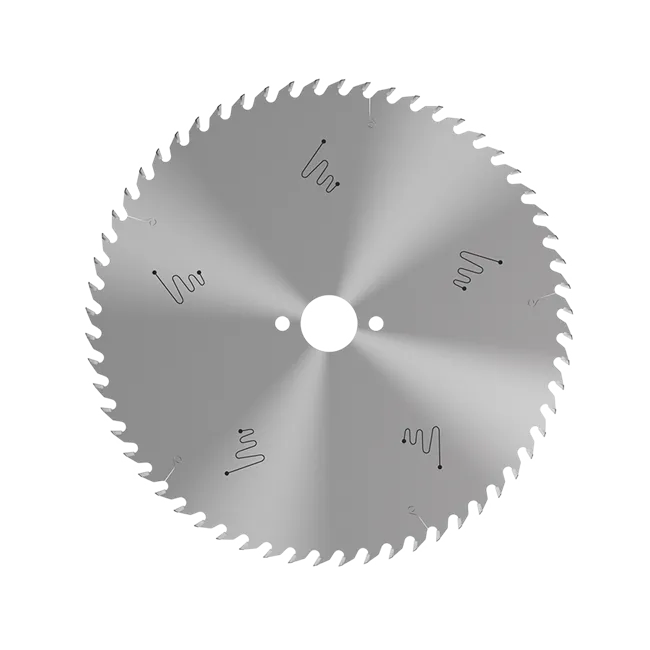
That's why Nakamura offers different specifications, including the 900mm Saw Blade for Aluminum, designed for heavy-duty industrial aluminum applications such as large aluminum ingots, thick plates, and aluminum billets.
2. Tooth Geometry: ATB, TCG, and FTG
Tooth geometry determines how each tooth engages with the material and removes chips. Three common designs are particularly important.
ATB (Alternate Top Bevel)
ATB teeth alternate between left and right bevels. This design helps shear wood fibers cleanly, making it popular for crosscutting and producing smooth finishes on plywood, MDF, and other wood-based materials.
TCG (Triple Chip Grind)
TCG combines chamfered teeth with flat-top teeth. This alternating configuration distributes cutting work and helps manage chip formation. It is commonly used for aluminum, non-ferrous metals, and certain abrasive or laminated materials, depending on the blade design.
FTG (Flat Top Grind)
FTG teeth have flat cutting edges and are commonly used for ripping solid wood along the grain. They are efficient at removing material but may produce a rougher finish than ATB designs in crosscutting applications.
Choosing the right tooth geometry is essential. For example, an ATB woodworking blade should not automatically be substituted for a dedicated aluminum blade simply because both have carbide teeth.
3. Rake Angle and Clearance Angle
Another important factor is the angle at which the tooth meets the material.
Rake angle, often discussed together with hook angle in circular saw blade specifications, influences how aggressively the tooth enters the workpiece.
Positive hook angles generally provide more aggressive cutting and easier feeding.
Zero hook angles offer a more neutral cutting action.
Negative hook angles reduce aggressive engagement and are often used where greater cutting control is needed.
Woodworking blades commonly use positive hook angles, while aluminum and metal-cutting applications may require lower or negative angles depending on the machine and cutting conditions.
The clearance angle is the angle behind the cutting edge that provides space between the tooth and the newly cut surface. Insufficient clearance can increase rubbing and heat, while excessive clearance can weaken the tooth and increase the risk of damage.
Both angles must be designed together to achieve a suitable balance between cutting efficiency and tooth strength.
4. Gullet Size: Why Chip Removal Matters
The gullet is the space between two adjacent teeth. Its main function is to collect and remove chips during cutting.
If the gullet is too small for the material and feed rate, chips may accumulate, increasing friction, heat, and the risk of binding.
Materials such as aluminum can produce relatively large, sticky chips, so proper chip clearance is especially important. Woodworking blades also need sufficient gullet capacity, particularly when ripping thick boards.
A well-designed gullet helps maintain stable cutting performance and reduces unnecessary stress on the blade.
5. Does Tooth Design Affect Blade Speed and Durability?
Absolutely, but tooth count alone does not determine the correct operating speed.
Blade RPM must follow the manufacturer's specifications and remain within the machine's permitted operating range. Feed rate, material thickness, tooth geometry, and the number of teeth engaging the workpiece also affect cutting performance.
If the feed rate is too high, the teeth may experience excessive loading and chip or break. If the feed rate is too low, rubbing and heat buildup may reduce cutting efficiency.
Carbide tips offer excellent hardness and wear resistance, but they are also relatively brittle. Incorrect applications, excessive feed pressure, poor workpiece support, or improper machine settings can cause tooth damage.
For this reason, blade selection should always consider the complete cutting setup rather than tooth count alone.
6. Choosing the Right Blade for Your Application
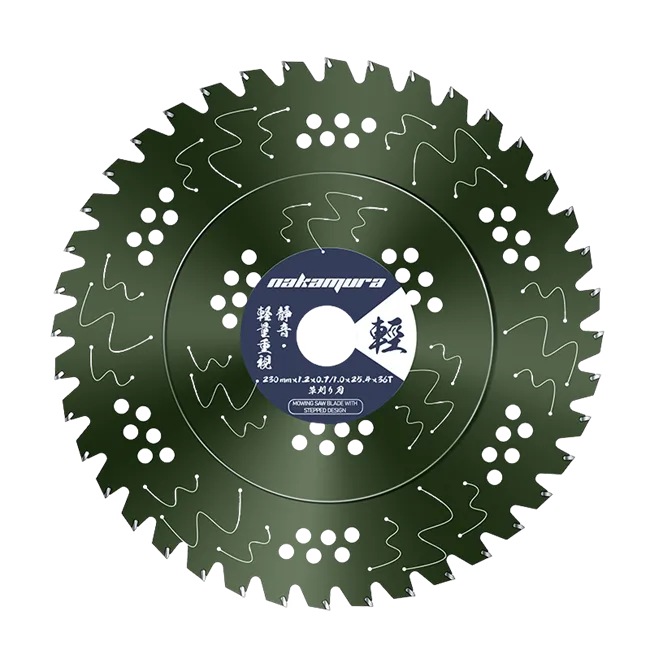
Different cutting jobs require different tooth configurations. Here are three Nakamura products for different applications:
Multi Blade Circular Saw 147mm
Featuring a 40T ATB tooth design, 20mm bore, and Teflon coating, this blade is designed for selected applications involving wood, metal, aluminum, and plastic. Always confirm material compatibility with the actual cutting conditions.
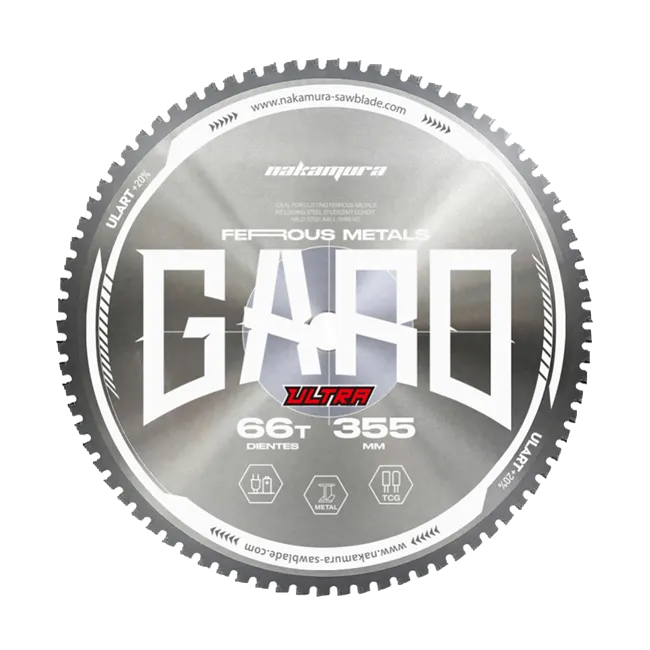
Designed for heavy-duty aluminum processing, including large industrial castings, thick aluminum plates, and aluminum billets.
Tungsten Carbide Tipped Saw Blade
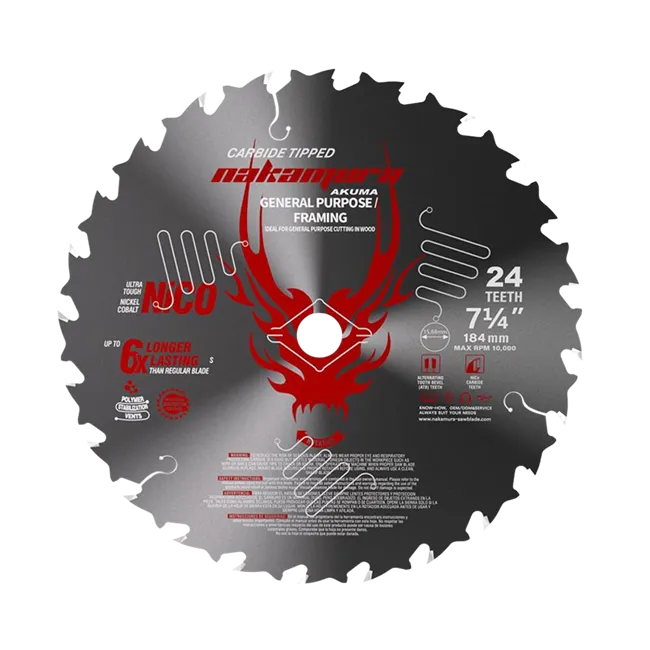
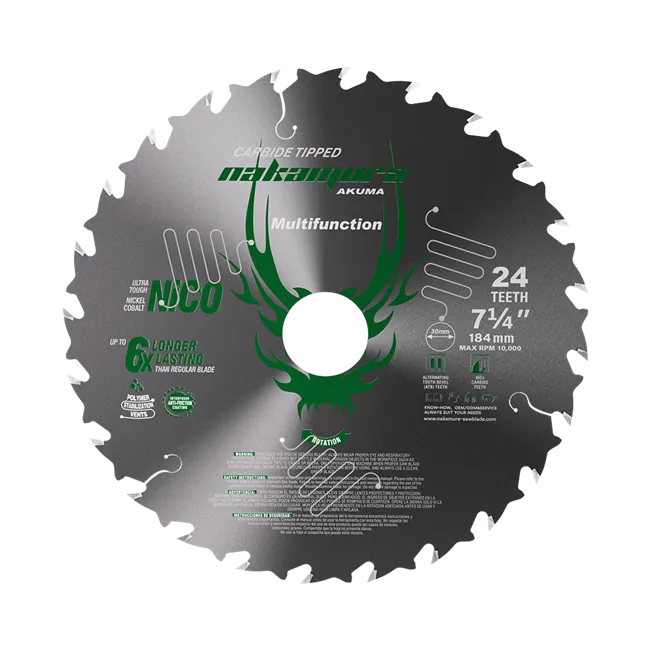
Part of Nakamura's Akuma Premium TCT series, this blade uses ATB teeth and is designed for wood, OSB, MDF, plywood, and laminated boards.


Final Thoughts
A carbide saw blade is more than just a steel disc with hard cutting tips. Every detail, from tooth count and geometry to rake angle and gullet size, contributes to its overall performance.
The key is to match the blade to the material, machine, and cutting requirements. Whether you're processing solid wood, aluminum profiles, or industrial materials, the right tooth design can help improve cutting quality, reduce waste, and extend blade service life.
At Nakamura, we offer a range of carbide saw blades for different materials and applications, with customized specifications and OEM/ODM services available.