


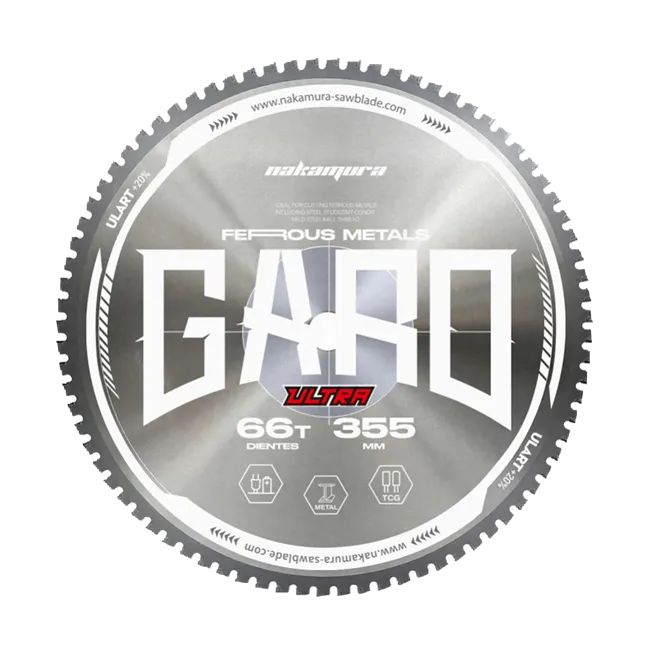
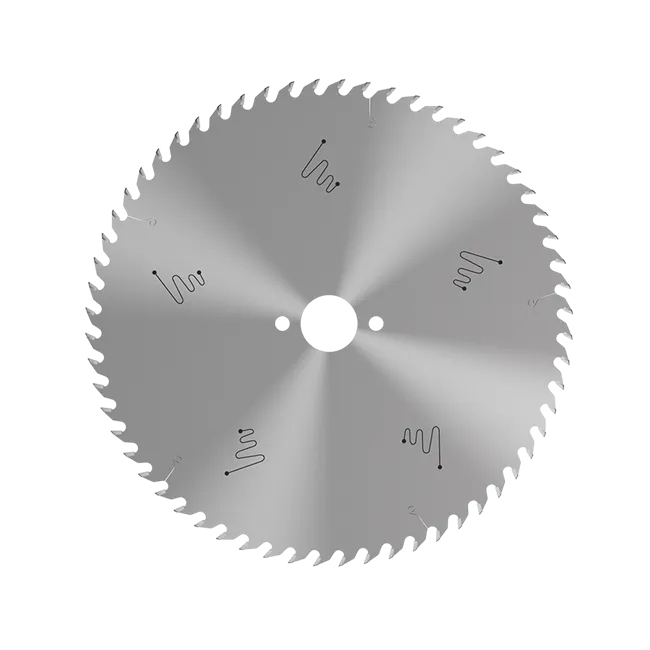
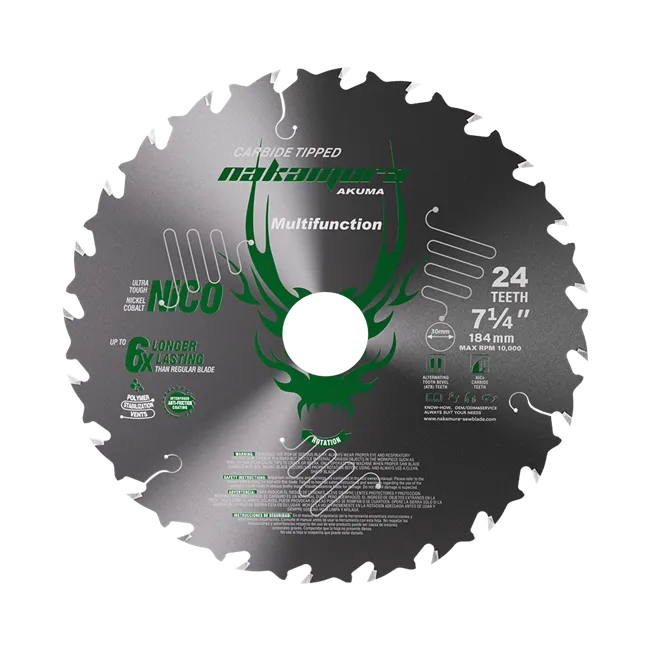

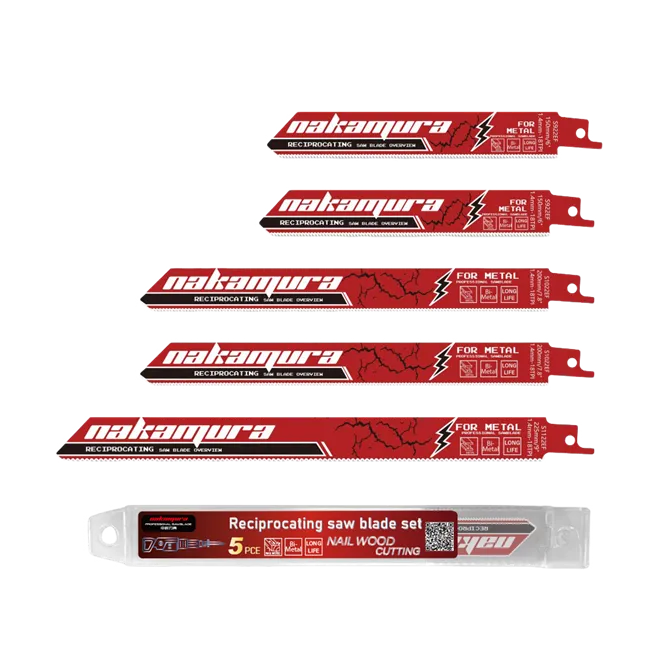
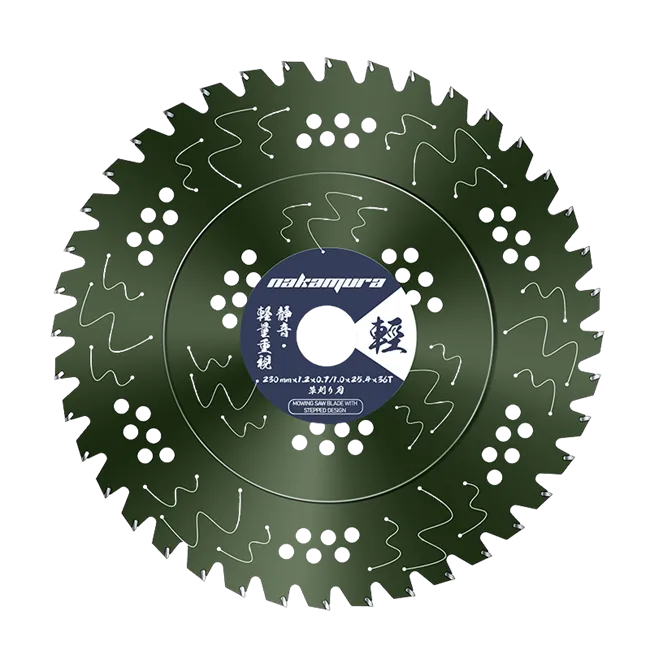

For carbide-tipped saw blades, carbide quality is an important factor affecting wear life, cutting stability, and overall blade performance. However, good carbide is not simply about maximum hardness. The right balance of hardness, toughness, grain structure, and application suitability is what matters.
What Is Carbide in a Saw Blade?
Most carbide-tipped saw blades use cemented tungsten carbide for the cutting tips. The carbide tips are attached to a steel blade body and then ground to the required tooth geometry.
The properties of carbide depend on factors such as tungsten carbide grain size and binder composition. Different grades provide different combinations of wear resistance and toughness, making them suitable for different cutting conditions.
How Carbide Quality Affects Blade Life
1. Wear Resistance
Higher wear resistance helps the cutting edge stay effective for longer, especially when processing abrasive materials such as hardwood, MDF, laminates, and other composites.
However, maximum hardness is not always the best choice. A carbide grade that is too hard for an impact-heavy application may be more susceptible to chipping.
2. Toughness and Chipping Resistance
Saw blades can experience vibration, interrupted cuts, knots, and other impacts during operation. Carbide therefore needs sufficient toughness as well as hardness.
The correct grade should be selected according to the material and cutting conditions. A well-matched carbide grade can help reduce premature tooth chipping and extend usable blade life.
3. Heat and Cutting Conditions
Cutting generates heat, and excessive heat can accelerate tool wear. Carbide itself has good high-temperature capability, but blade life also depends on tooth geometry, cutting speed, feed rate, material, and machine conditions.
Therefore, carbide quality should always be considered together with the complete blade design rather than as an isolated factor.
Carbide Quality and Cutting Performance
A suitable carbide grade helps maintain the tooth edge during cutting, contributing to stable cutting performance over the blade's service life.
For aluminum and other non-ferrous materials, for example, a blade such as Circular Saw Blade for Aluminum is designed around the specific requirements of aluminum processing, where tooth geometry, carbide properties, and chip control all influence the cutting result.
For applications involving multiple materials, Multipurpose Chop Saw Blade is designed for versatile cutting applications. The blade must still be matched with the correct machine speed and material; multipurpose does not mean one specification is ideal for every condition.
For broader multi-material applications, Multi Purpose Saw Blades provide another option where material range and cutting requirements need to be considered together.


Choosing the Right Carbide Matters
A longer-lasting saw blade is not determined by carbide quality alone. Carbide grade, tooth geometry, blade body, machine compatibility, cutting parameters, and the material being processed all work together.
For buyers, the goal should not simply be to choose the hardest carbide, but to select a carbide grade and blade design that match the intended application. This approach can help achieve more stable cutting performance and better overall blade life.