



Choosing the right carbide-tipped saw blade is essential for achieving clean, accurate cuts in solid lumber. Whether you are ripping hardwood boards, crosscutting timber, or preparing wood for furniture production, the blade's tooth count, tooth geometry, and kerf all affect cutting performance.
A general-purpose blade may handle several woodworking tasks, but selecting a blade designed for your main application can help improve cut quality and reduce unnecessary wear.
1. Choose the Right Blade for Ripping
Ripping means cutting along the grain of the wood, such as dividing a wide oak board into narrower strips.
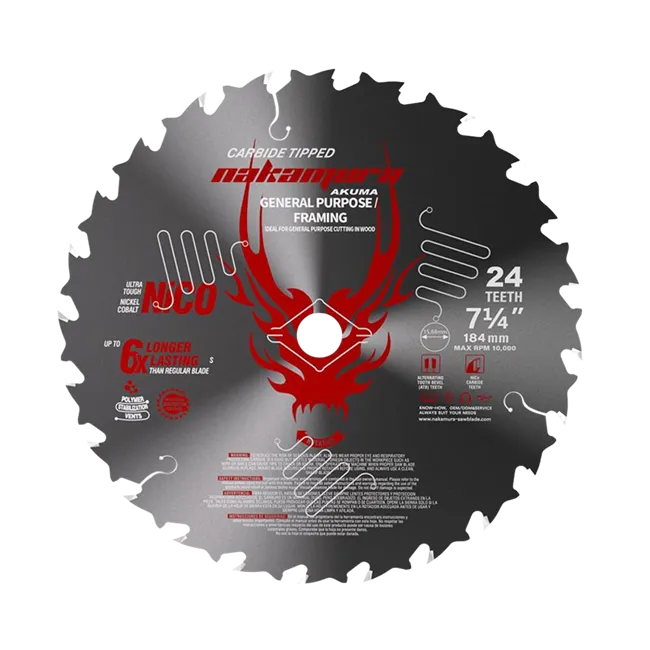
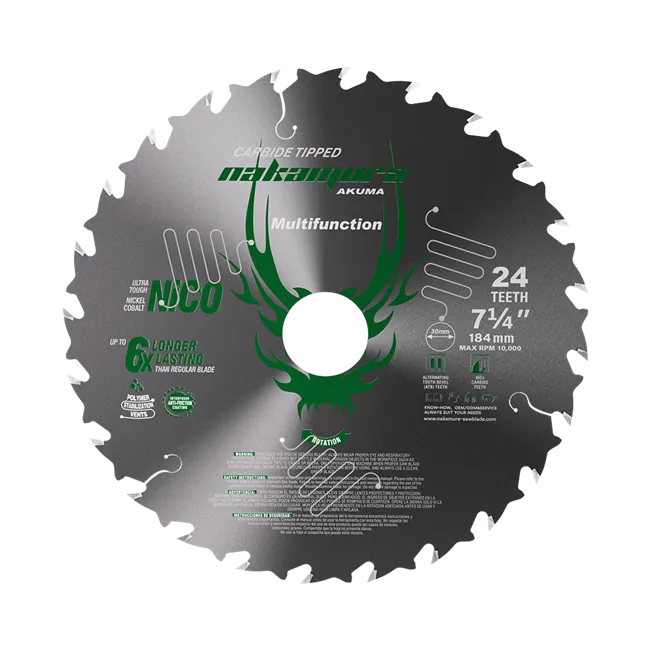
For fast ripping, a lower tooth count-often around 24T on a 184mm circular saw blade-is a practical choice. Fewer teeth provide larger gullets for chip removal, helping reduce cutting resistance and heat buildup.
FTG (Flat Top Grind) teeth are commonly used for aggressive ripping because they remove material efficiently. ATB (Alternate Top Bevel) configurations are also available for wood-cutting applications and can provide a balance between cutting speed and finish.
For example, Nakamura's 184mm Wood 24 Tooth Saw Blade features 24T ATB(BC) teeth, a 65Mn steel body, and Teflon coating. It is designed for wood and other woodworking materials.
2. Select a Higher Tooth Count for Cleaner Crosscuts
Crosscutting means cutting across the wood grain, such as trimming boards to length or preparing components for furniture assembly.
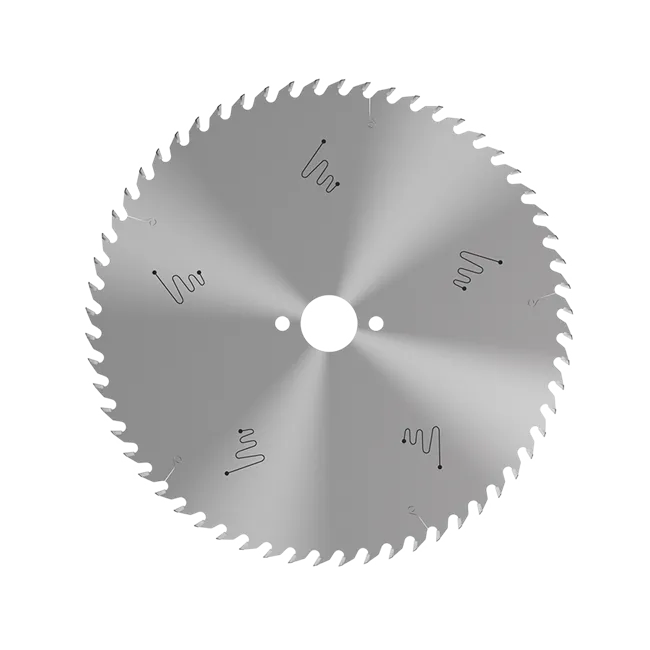
A higher tooth count generally produces a smoother finish because each tooth removes less material. For many woodworking applications, 40T–60T blades are worth considering, depending on the blade diameter, wood thickness, and required finish.
ATB teeth are widely used for crosscutting solid wood. Their alternating bevels help shear wood fibers and reduce splintering along the cut edge.
Nakamura's 165mm 50T TCT Saw Blade features ATB(BC) teeth and a Teflon coating. It is suitable for cabinet-grade hardwoods and fine-finish woodworking applications.
3. Consider a General-Purpose Blade
If your work involves both ripping and crosscutting, a medium-tooth-count blade can offer a practical balance between speed and finish.
Nakamura's 184mm Circular Saw Blade for Wood features 40T ATB teeth, a 1.6mm kerf, and a 20mm arbor. It is designed for softwood, hardwood, plywood, OSB, and treated timber.
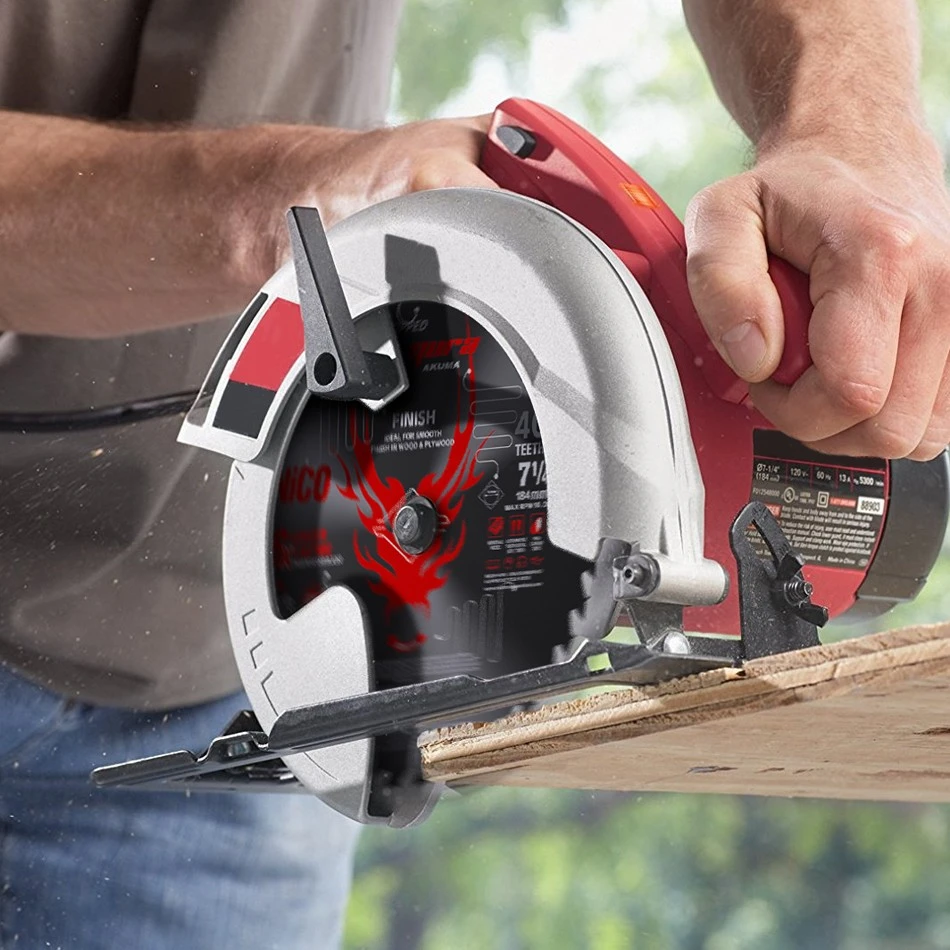
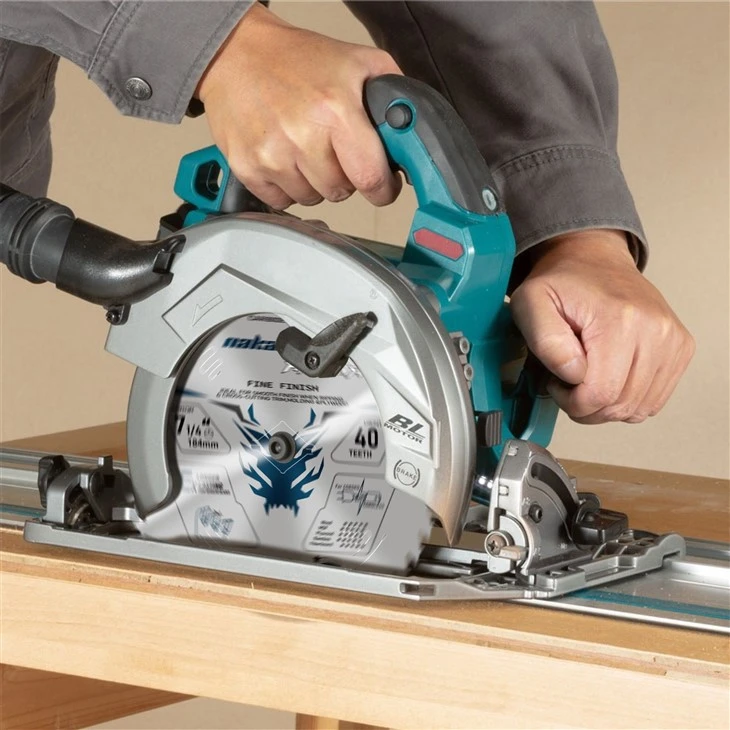
Always check the blade diameter, bore size, and maximum RPM against your machine before use.
4. Don't Overlook Kerf and Blade Maintenance
Kerf refers to the width of material removed by the blade. Thin-kerf blades remove less material and can reduce the load on cordless saws, while thicker blades may offer greater rigidity for certain applications. The best choice depends on your machine, cutting conditions, and material thickness.
Even high-quality carbide teeth need proper maintenance. Remove accumulated resin and sawdust regularly, check the blade for damaged or missing teeth, and have dull blades professionally sharpened when necessary. Also check blade alignment and machine setup if cuts become rough or uneven.
Final Thoughts
The best carbide-tipped saw blade for solid lumber depends on the type of cut and the finish you need:
Fast ripping: Consider a lower-tooth-count blade, such as a 24T configuration.
Clean crosscutting: Consider a higher-tooth-count ATB blade.
Mixed woodworking tasks: A 40T blade can offer a useful balance.
At Nakamura, we manufacture TCT circular saw blades for different woodworking applications, with options for blade diameter, tooth count, tooth geometry, coating, and packaging.
If you are sourcing saw blades for furniture production, woodworking, or distribution, contact our team with your machine specifications and cutting requirements. We can help identify a suitable blade configuration for your application.