



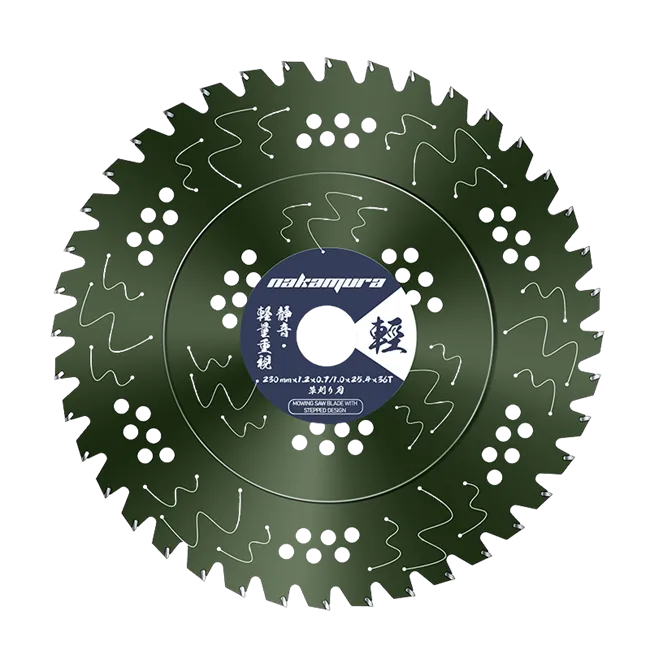
Hey there! As a professional carbide saw blade supplier specializing in lithium-battery power tool accessories, I often get asked about the cutting finish of a carbide saw blade on different materials. Whether you're running corded tools or modern cordless saws, the cut quality is a crucial metric. Let's dive right in and explore how these blades perform across various applications.
Cutting Finish on Wood
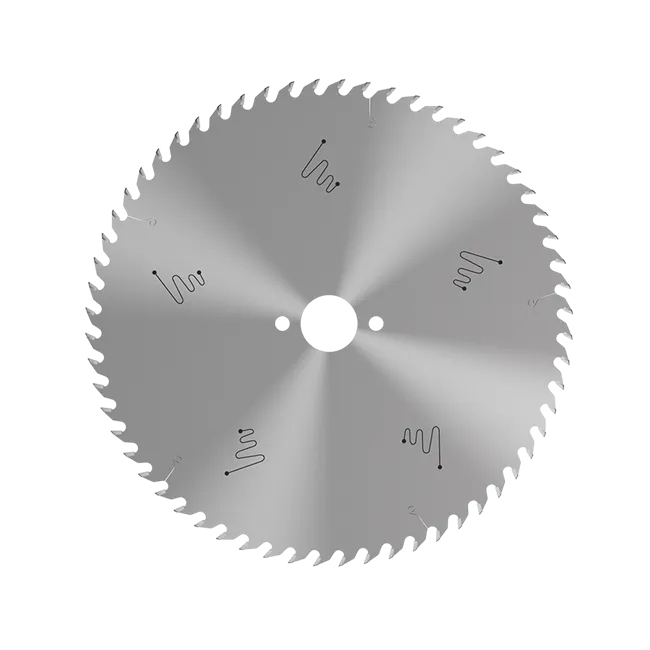
Wood is one of the most common materials that professionals use carbide saw blades on. A high-quality Tungsten Carbide Tipped (TCT) blade gives an incredibly smooth finish because the razor-sharp teeth slice cleanly through wood fibers, minimizing rough edges or splintering. If you're working on a demanding woodworking project, precision is key. For example, our Nakamura 147mm*20*1.4*0.9*52T Circular Saw Blade is specifically engineered for this. Its ultra-thin kerf design is perfect for lithium-battery circular saws, reducing cutting resistance and maximizing battery life while delivering professional, sand-free edges. The finish will depend slightly on the wood grain-straight grains cut effortlessly, while irregular grains might require a slight adjustment to your cutting speed-but a professional blade will always ensure optimal results.

Cutting Finish on Multiple Materials (Wood & Metal)
Sometimes, your project requires cutting through different materials on the same job site. That's where hybrid solutions come in handy. The Nakamura 185mm Circular Saw Blade for Wood And Metal is designed to handle this exact scenario. While a dedicated wood blade will always offer the absolute pristine finish on pure timber, a multi-material blade offers an outstanding compromise. It adapts to the hardness of different materials, allowing you to transition smoothly from cutting soft pine to slicing through embedded nails or thin metal pipes without having to stop and change the blade. This saves a massive amount of time while still maintaining a clean, acceptable finish.
Cutting Finish on Metal
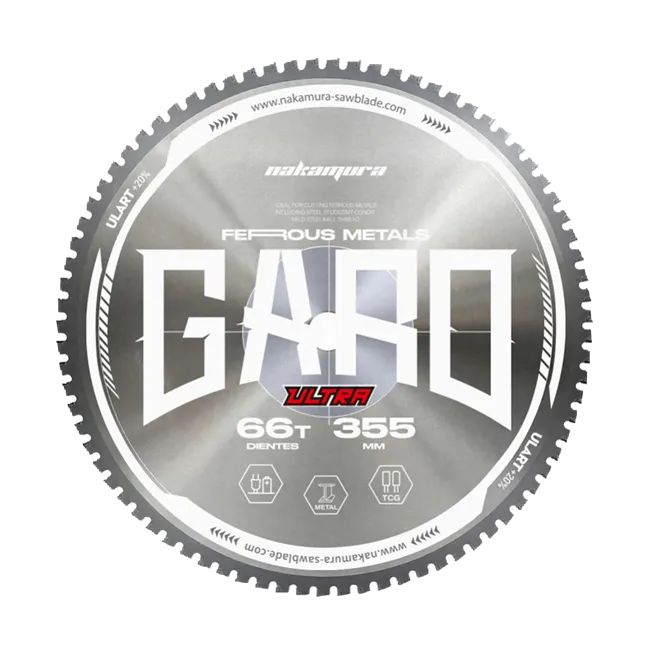
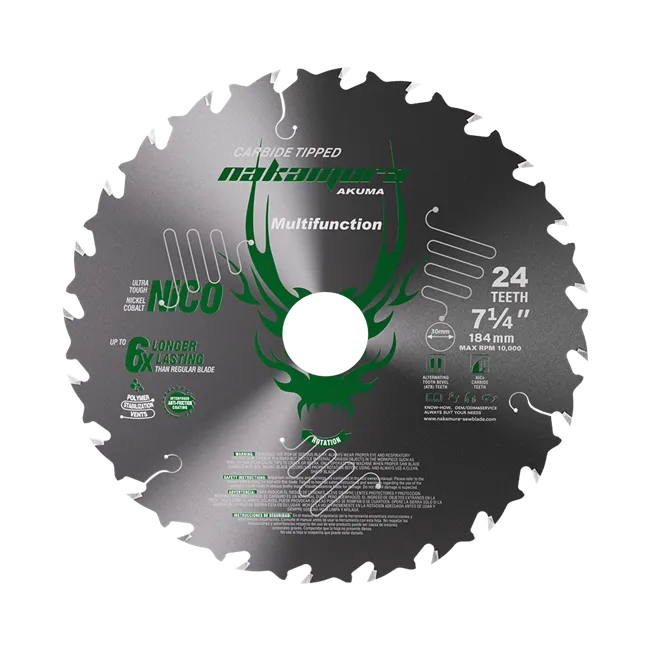
Cutting metal is a whole different ballgame. Metal is significantly harder than wood, generating extreme heat and pressure. To handle this, blades require specific tooth geometries-such as the Triple Chip Grind (TCG)-and modified rake angles. The 7-1/4 Multi-Material Cutting Blades are built with premium tungsten carbide specifically formulated to withstand these harsh conditions. When cutting metal, a common issue is the formation of burrs (sharp, rough edges). A precision-ground carbide saw blade dramatically reduces burr formation, providing a clean, precise cut that requires minimal post-cut cleanup. Keep in mind that different metals demand different techniques; steel requires a much slower feed rate compared to softer metals to preserve the blade and the finish.

Cutting Finish on Aluminum
Aluminum is a staple material across industries, from automotive to architectural fabrication. While it is a soft and lightweight metal, it presents unique challenges. Aluminum is notoriously "gummy" and prone to galling, meaning it can heat up and fuse to the teeth of the blade, instantly ruining your cutting finish. To achieve an excellent, chip-free finish on aluminum, you cannot simply cut "quickly." You must maintain a steady RPM and, crucially, use a cutting lubricant. A proper lubricant prevents the aluminum from sticking to the carbide teeth, allowing the blade to glide through smoothly and leaving a pristine surface.
Factors Affecting the Cutting Finish
Several critical variables dictate the final quality of your cut across all materials:
- Blade Quality: A premium blade with precision-ground carbide teeth will consistently outperform and outlast cheaper alternatives.
- Cutting Speed and Feed Rate: Pushing the saw too fast can cause tear-out in wood, overheating in metal, or kickback. Finding the right feed rate for the specific material density is essential.
- Blade Condition: Dull, chipped, or resin-coated teeth will instantly degrade the finish. Regular inspection, cleaning, and replacing your saw blade when necessary is non-negotiable for professional results.
Conclusion
In conclusion, the cutting finish of a carbide saw blade heavily depends on the material you're working with and the specific engineering of the blade. On wood, you can achieve a flawless, splinter-free surface; on metal, a precise cut with minimal burrs; and on aluminum, a smooth finish provided you manage heat and lubrication.
If you're in the market for high-quality, precision-engineered carbide saw blades optimized for your specific tools and materials, don't hesitate to reach out. Whether you need exact SKUs for your lithium-battery tools or robust solutions for industrial cutting, we are here to help. Contact us today to discuss your exact procurement needs and let's work together to achieve the best cutting results!
References
- Woodworking Magazine, "Best Practices for Using Carbide Saw Blades on Wood"
- Metalworking Journal, "Cutting Metal with Carbide Saw Blades: A Comprehensive Guide"
- Aluminum Industry Review, "Cutting Aluminum with Precision: Carbide Saw Blades"