



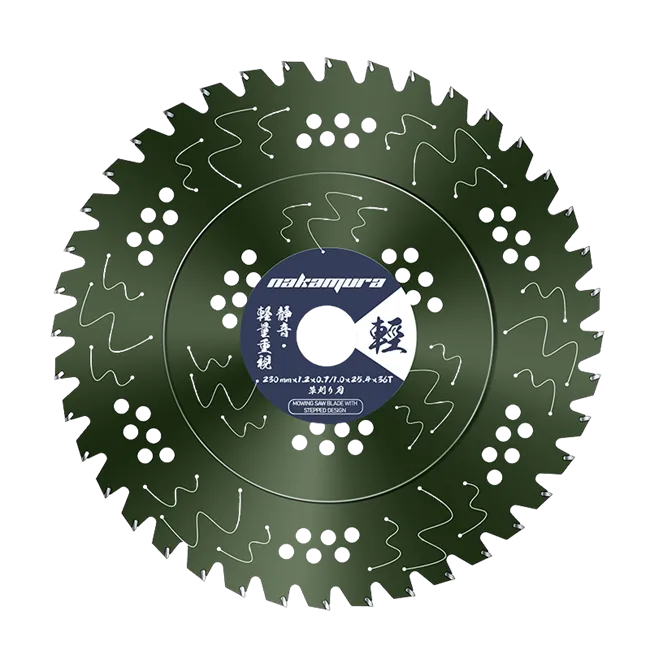
A steel blade weed wacker is a powerful and efficient tool for maintaining lawns and gardens. As a supplier of high - quality steel blade weed wackers, I understand the importance of proper maintenance to ensure the longevity and optimal performance of these tools. In this blog, I will discuss the various types of maintenance that a steel blade weed wacker requires.
Regular Cleaning
One of the most basic yet crucial maintenance tasks for a steel blade weed wacker is regular cleaning. After each use, grass, dirt, and debris can accumulate on the blade, motor housing, and other parts of the tool. This build - up can not only affect the appearance of the weed wacker but also impede its performance.
To clean the blade, first, make sure the weed wacker is turned off and unplugged (if it's an electric model) or the fuel is shut off (for gas - powered ones). Use a stiff brush to remove any large chunks of grass or dirt from the blade. Then, you can wipe the blade with a clean cloth dampened with a mild detergent solution. Rinse the blade thoroughly with water and dry it completely to prevent rusting.
The motor housing and other exterior parts can also be cleaned with a soft cloth and a mild cleaner. Pay special attention to the air vents, as clogged vents can cause the motor to overheat. Use a small brush or compressed air to clear any debris from the vents.

Blade Inspection and Sharpening
The blade is the heart of the steel blade weed wacker, and its condition directly affects the tool's cutting performance. Regular blade inspection is essential. Check the blade for any signs of damage, such as cracks, chips, or excessive wear. If you notice any damage, it's important to replace the blade immediately to avoid potential safety hazards and ensure efficient operation.
Over time, the blade will become dull from cutting through grass and other vegetation. A dull blade will not cut as cleanly, which can lead to uneven trimming and put more strain on the motor. Sharpening the blade is a necessary maintenance task. You can use a file or a specialized blade sharpener. Follow the manufacturer's instructions for the correct sharpening angle and technique. If you're not comfortable sharpening the blade yourself, you can take it to a professional tool sharpener.
For those in need of a replacement blade, we offer a Saw Blade For Grass Trimmer that is designed to provide a clean and efficient cut.

Lubrication
Proper lubrication is vital for the smooth operation of a steel blade weed wacker. The moving parts, such as the drive shaft and bearings, need to be lubricated regularly to reduce friction and prevent premature wear.
For gas - powered weed wackers, the engine also requires proper lubrication. Use the recommended engine oil and follow the manufacturer's guidelines for oil changes. Check the oil level before each use and top it up if necessary.
The blade pivot points and other moving components should be lubricated with a light - weight machine oil. Apply a small amount of oil to the pivot points and work the blade back and forth to distribute the oil evenly.
Fuel System Maintenance (for Gas - Powered Weed Wackers)
If you have a gas - powered steel blade weed wacker, the fuel system requires special attention. The fuel tank should be kept clean, and the fuel should be fresh. Old or contaminated fuel can cause starting problems and engine damage.
Use a high - quality gasoline with the correct octane rating as recommended by the manufacturer. Add a fuel stabilizer if you plan to store the weed wacker for an extended period. This will prevent the fuel from breaking down and forming deposits in the fuel system.
The fuel filter should be checked and replaced regularly. A clogged fuel filter can restrict the flow of fuel to the engine, leading to poor performance. The carburetor also needs to be cleaned periodically to ensure proper fuel - air mixture. If you're not experienced with carburetor cleaning, it's best to take the weed wacker to a professional for servicing.
Spark Plug Maintenance (for Gas - Powered Weed Wackers)
The spark plug is a critical component in the ignition system of a gas - powered steel blade weed wacker. A faulty spark plug can cause starting problems and poor engine performance.
Inspect the spark plug regularly for signs of wear, such as a fouled electrode or excessive carbon deposits. If the spark plug is dirty, you can clean it with a wire brush. However, if it's worn out, it should be replaced. Make sure to use the correct spark plug type and gap as specified by the manufacturer.
Belt and Chain Maintenance (if applicable)
Some steel blade weed wackers use belts or chains to transfer power from the motor to the blade. These components need to be inspected and maintained regularly.
Check the belt for signs of wear, such as cracking or stretching. If the belt is worn, it should be replaced. Adjust the tension of the belt according to the manufacturer's instructions. A loose belt can slip, reducing the power transfer to the blade, while an overly tight belt can cause excessive wear on the belt and other components.
For chain - driven weed wackers, the chain should be lubricated regularly to prevent rust and reduce friction. Check the chain tension and adjust it as needed. A loose chain can come off the sprockets, while a tight chain can cause premature wear on the chain and sprockets.
Storage
Proper storage is also an important part of maintenance. When not in use, store the steel blade weed wacker in a dry, clean place. If it's a gas - powered model, empty the fuel tank or add a fuel stabilizer to prevent fuel degradation.
Cover the weed wacker to protect it from dust and debris. If you need to store the weed wacker for an extended period, it's a good idea to remove the battery (for electric models) or drain the oil (for gas - powered models) and perform a thorough cleaning and lubrication before storage.
Safety Checks
Before each use, perform a safety check on the steel blade weed wacker. Check the power cord (for electric models) for any signs of damage, such as cuts or fraying. Make sure all the guards and shields are in place and in good condition.
Inspect the handle and other parts for any loose or damaged components. Tighten any loose screws or bolts. A well - maintained and safe - to - use weed wacker not only performs better but also reduces the risk of accidents.
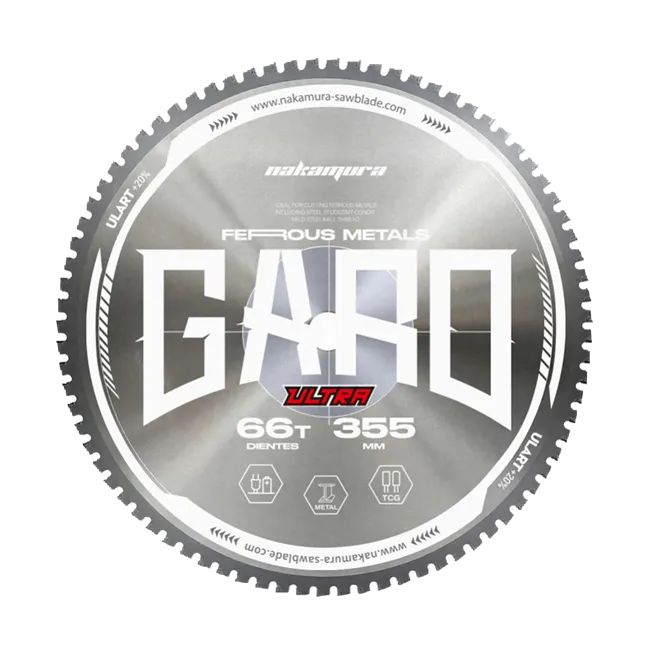
In addition to the Saw Blade For Grass Trimmer, we also offer other high - quality saw blades, such as the 355mm Circular Saw Blade For Plywood and Stainless Steel Cutting Saw Blade for different cutting needs.
Proper maintenance of a steel blade weed wacker is essential for its long - term performance and safety. By following these maintenance tips, you can ensure that your weed wacker will continue to provide efficient and reliable service for years to come. If you have any questions about the maintenance of our steel blade weed wackers or are interested in purchasing our products, please feel free to contact us for a procurement discussion. We are committed to providing the best products and services to our customers.
References
- Manufacturer's manuals for steel blade weed wackers
- Industry standards for tool maintenance and safety