




As industries such as automotive, aerospace, construction and general manufacturing continue to pursue lighter materials, aluminum and aluminum alloys are becoming increasingly important. Aluminum offers advantages such as low weight, good thermal conductivity and easy machinability, but these characteristics also create specific challenges during cutting. For metal fabricators, achieving high cutting efficiency while maintaining a clean and consistent cut has become an increasingly important consideration.
Aluminum is relatively soft and can be prone to chip adhesion during machining. If tooth geometry, tooth count and cutting parameters are not properly matched to the material, manufacturers may experience chip buildup, excessive heat, increased burrs and reduced surface quality. Compared with conventional steel cutting, aluminum therefore requires a more application-specific blade selection.
Circular Saws Remain an Important Choice for High-Efficiency Aluminum Cutting
For high-volume and repetitive aluminum cutting operations, circular saws offer significant productivity advantages. With stable high-speed rotation and the correct tooth configuration, a circular saw can move efficiently through the material while producing a clean and consistent cut. This makes specialized aluminum blades particularly useful for aluminum profiles, tubes, doors and windows, and other non-ferrous metal applications.
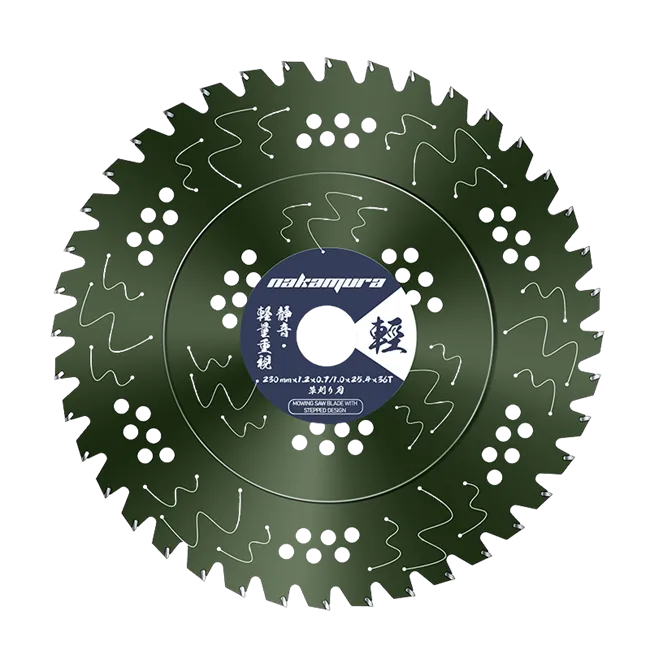
Nakamura's 10 Inch Aluminum Cutting Saw Blade features TCG tooth geometry and a 75R1 blade body with electroplated surface treatment. It is designed for applications including aluminum doors and windows, aluminum profiles and aluminum tubes. Its application-specific tooth design helps support effective chip removal and stable cutting performance when processing aluminum.
Different aluminum sizes and production requirements also require different blade specifications. Tooth count, blade diameter and tooth geometry can all affect cutting speed and surface quality. A higher tooth count can contribute to a finer finish, while the correct tooth pitch is important for maintaining effective chip removal. Blade selection should therefore be based on material dimensions, cutting conditions and the required finish rather than relying on a single configuration for every application.
Large Aluminum Processing Places Greater Demands on Blade Stability
As large aluminum billets, plates and profiles become more widely used in industrial manufacturing, some fabricators face increasingly demanding cutting conditions. Large-scale applications require not only cutting capability but also stability during continuous and high-load operation.
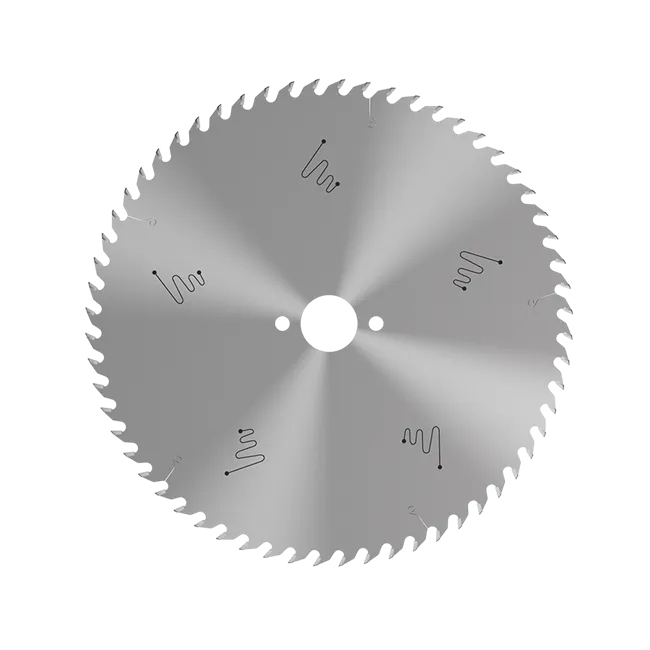
Nakamura's 900mm Saw Blade For Aluminum is designed for heavy-duty applications including large aluminum ingots, thick aluminum plates, aluminum alloy billets, large-diameter aluminum bars and foundry risers. The blade uses a 75Cr1 steel body and is available with BT tooth configurations. Nakamura also incorporates laser-cut silent slots into the design to help control vibration and noise during heavy-duty cutting.
For large aluminum workpieces, machine rigidity, blade balance and feed stability are equally important. Excessive vibration at high rotational speeds can affect cut quality while accelerating tooth wear. Efficient aluminum sawing is therefore not simply a matter of increasing blade speed; the blade, machine and cutting parameters must work together.
PCD Technology Offers Another Option for High-Precision Aluminum Cutting


Beyond conventional carbide blades, PCD technology is becoming an important option for applications where manufacturers require high precision and extended tool life. Aluminum engine blocks, cylinder heads and wheels, for example, can require cutting tools that maintain sharpness while controlling wear and chip adhesion.
Nakamura's PCD Saw Blades are designed for precision cutting of non-ferrous materials such as aluminum engine blocks, cylinder heads and aluminum wheels. The blades use PCD cutting tips and incorporate blade-body design, dynamic balancing and tensioning processes to support stable cutting performance. Specialized tooth designs also help move chips away from the cutting zone, contributing to blade life and cut quality.
Efficient Aluminum Cutting Is About More Than Cutting Speed
For aluminum processors, simply increasing cutting speed does not automatically mean higher productivity. If a blade wears too quickly, produces excessive burrs or requires frequent secondary finishing, the apparent speed advantage can ultimately increase the total cost of production.
When selecting an aluminum saw blade, manufacturers should consider material dimensions, aluminum alloy type, blade diameter, tooth count, tooth geometry, cutting material and machine parameters as a complete system. Proper cooling, lubrication and chip removal are also important. Nakamura's technical guidance recommends using suitable cooling and lubricating fluids when cutting aluminum alloys and other metals to help reduce overheating and chip buildup that can affect blade performance.
As aluminum continues to play a larger role in lightweight manufacturing, aluminum sawing technology will continue moving toward higher speed, greater precision and more specialized solutions. Rather than searching for a single "universal" blade, manufacturers can achieve better results by selecting blades according to their specific materials and production requirements. When blade design, machine performance and cutting parameters are properly matched, manufacturers can achieve more consistent cuts, longer tool life and lower overall production costs.