


1. Three key applications of smart manufacturing in cutting
- Smart monitoring (industry trend)
In industrial cutting environments, external sensing systems and machine data collection are increasingly used to track cutting load, temperature, and feed rate, helping optimize cutting conditions and maintenance cycles.
- Data-based usage optimization
By analyzing cutting materials, machine power, and feed speed, users can better select suitable blade types and improve efficiency while reducing waste.
- Automated manufacturing systems
Laser cutting, robotic welding, and automated grinding systems are widely adopted to improve batch consistency and production stability.
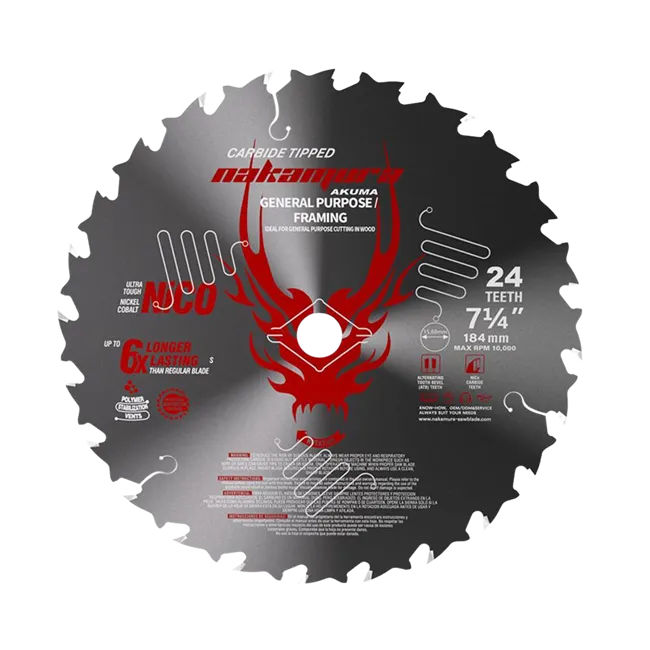
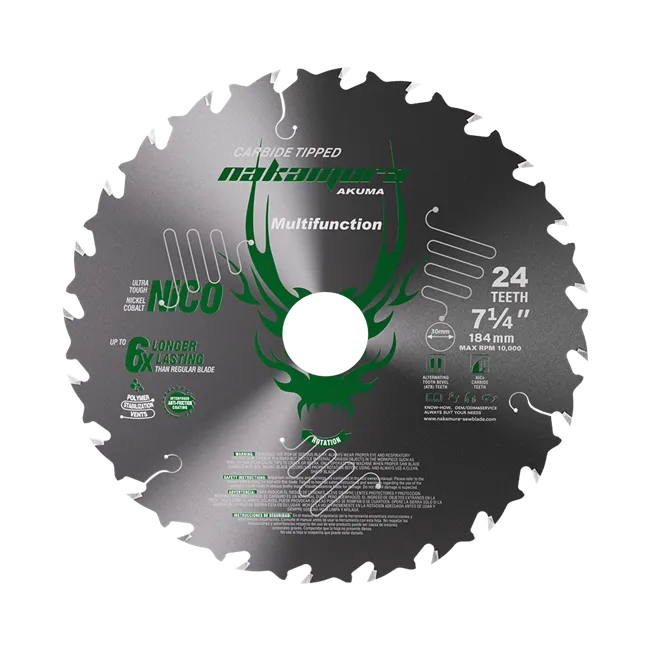
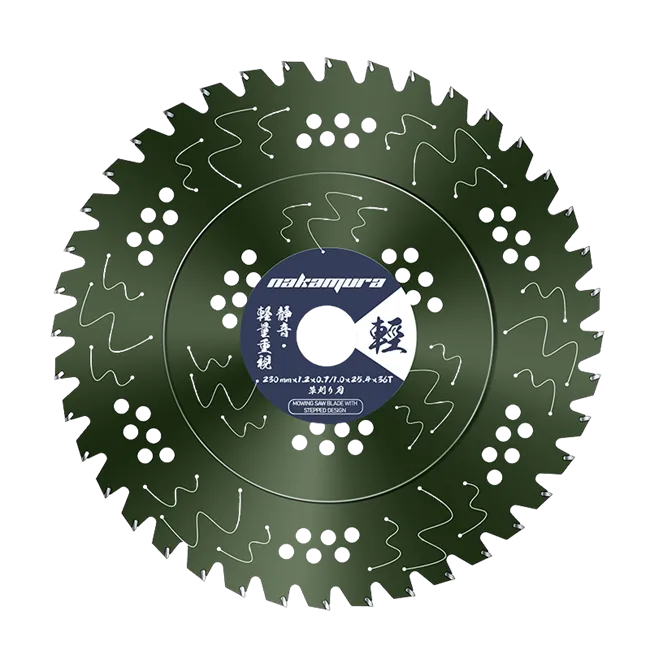
For example, the Multi Purpose Saw Blade uses laser processing and automated tip welding to ensure structural accuracy and stable batch performance.

2. How smart manufacturing is changing the industry
- From experience to data
Traditional decision-making relied on operator experience, while modern systems increasingly use material data and machine feedback.
- From reactive replacement to planned maintenance
Cutting tools can now be replaced based on usage cycles and working conditions instead of failure.
- From general-purpose to application-specific design
Different materials such as wood, metal, composite panels, and fiber cement require different blade structures and cutting strategies.
3. Nakamura's smart manufacturing layout
- Automated production system
Nakamura operates a manufacturing base of approximately 62,000㎡, with multiple modern production and assembly lines supporting continuous manufacturing from steel body to finished blade.
- Digitalized production and inspection
Processes such as laser cutting, automated brazing, grinding, and inspection are standardized to ensure consistency across batches.
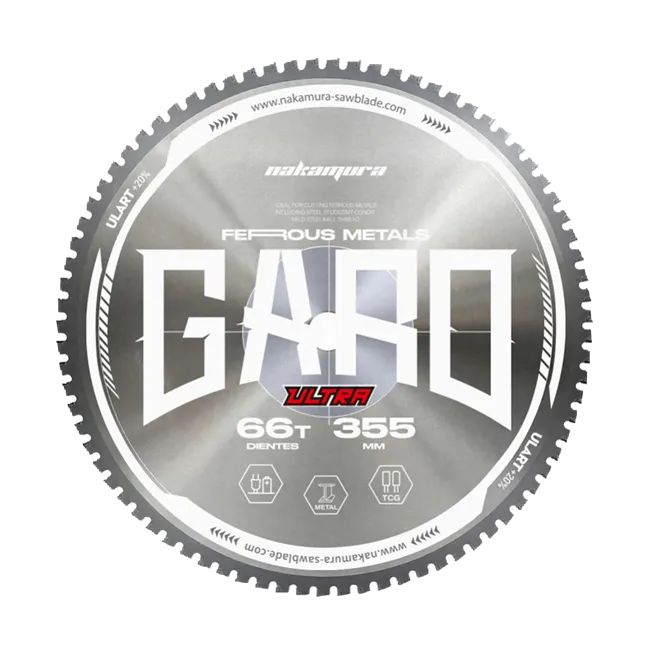
For instance, the Metal Cutting Circular Saw Blade is designed for stable performance in industrial metal cutting applications.
- Application-driven product development
Nakamura's product portfolio covers woodworking, metal cutting, multi-purpose cutting, and PCD solutions:
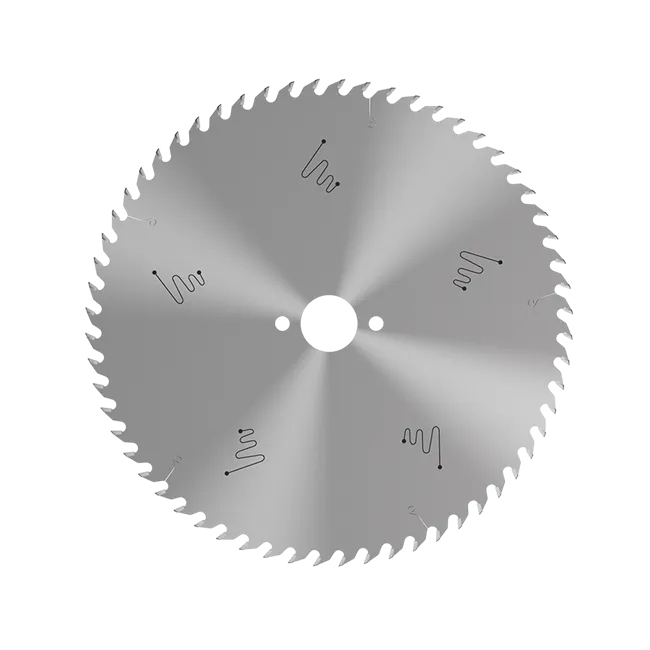
TCT Wood Cutting Circular Saw Blade - woodworking and engineered panels
PCD Fiber Cement Saw Blade - abrasive material cutting
Multi Purpose Saw Blade - mixed material applications

4. Future trend: saw blades as data-driven tools
In the future, saw blades will no longer be simple consumables but part of an integrated cutting system.
With better machine data, material feedback, and process optimization, blade selection and performance will become more predictable and efficient.
Manufacturers will evolve from product suppliers to solution providers.
Conclusion
Smart manufacturing is shifting the saw blade industry from experience-driven to data-driven operation.
Nakamura will continue to enhance automation, application-based design, and manufacturing consistency to deliver more efficient and stable cutting solutions.
Nakamura - entering the era of data-driven cutting.