



When a carbide saw blade is running, noise is an unavoidable part of the cutting process. But the sound level is not determined by the carbide blade alone. The machine, blade design, cutting material, operating speed, mounting condition, and cutting parameters can all affect the noise produced during operation.
Understanding these factors can help users select the appropriate blade and take suitable measures to control noise in the workplace.
Where Does Saw Blade Noise Come From?
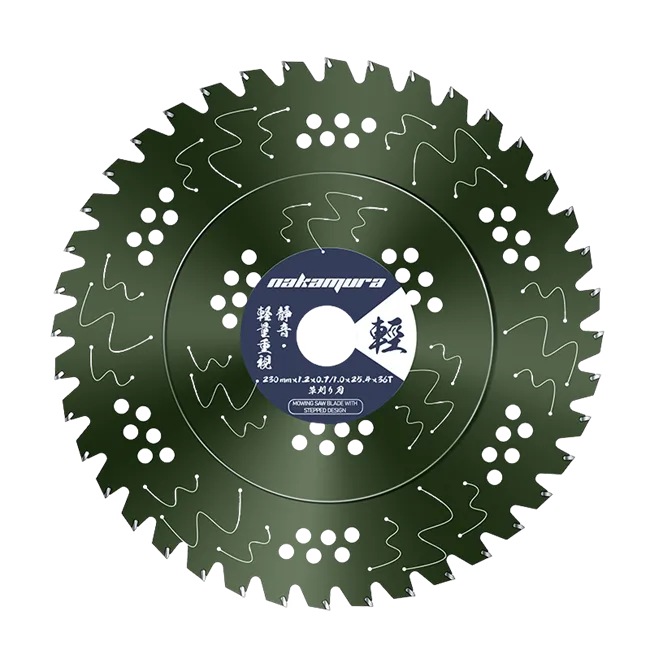
A carbide saw blade consists of a steel body with carbide teeth attached to the cutting edge. During operation, several sources contribute to the overall noise:
The saw motor and drive system
The blade rotating at high speed
The teeth entering and leaving the material
Friction and material removal during cutting
Vibration of the blade, machine, or workpiece
The blade's tooth geometry, body design, diameter, and operating speed can therefore influence its acoustic behavior.
It is also important to note that carbide itself should not be considered the sole cause of higher or lower noise. The complete cutting system determines the actual noise level.
Why Doesn't Every Carbide Blade Have the Same Noise Level?
Noise can change significantly depending on the application.
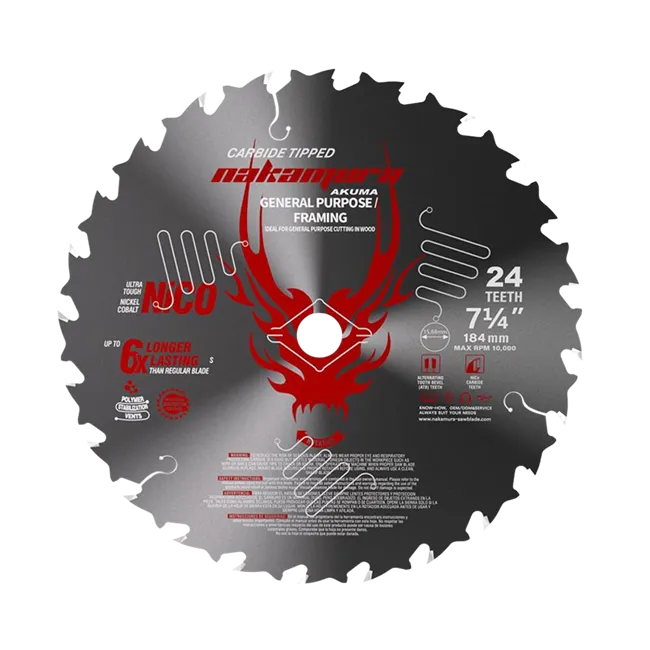
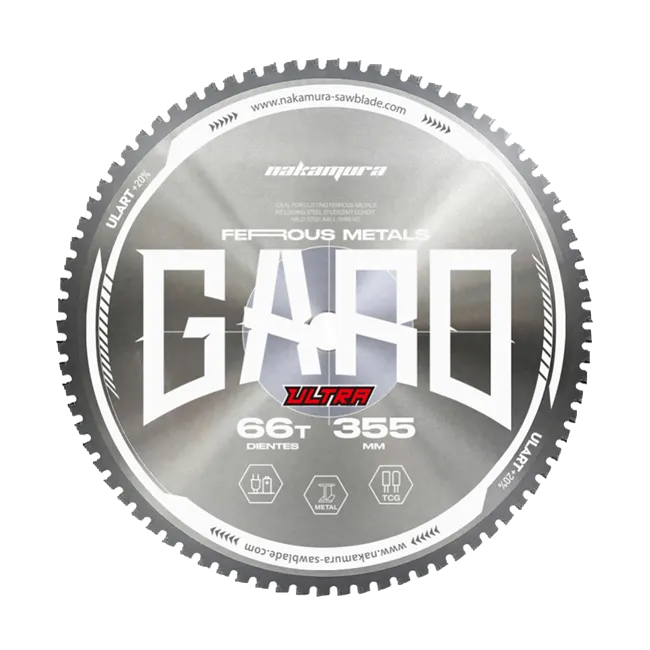
For example, cutting aluminum, hardwood, steel, or composite materials can produce different sound characteristics. Blade diameter and RPM also affect the sound produced during operation.
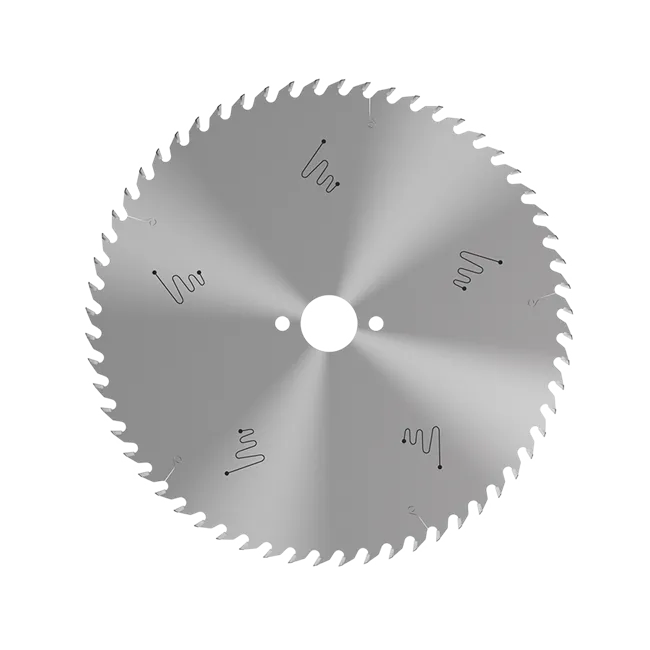
A blade designed specifically for a particular material may provide more controlled cutting than an unsuitable general-purpose blade. For aluminum applications, Aluminum Circular Saw Blade is designed specifically for aluminum cutting, with its tooth configuration and blade specifications matched to this type of application.
However, it would be misleading to assign one fixed noise level to all aluminum-cutting blades. Actual noise should be measured under defined operating conditions.
Blade Size and Operating Speed Matter
Blade diameter and rotational speed can also influence the sound produced during cutting.
Smaller blades are often operated at higher rotational speeds, while larger industrial blades may operate at lower speeds. This does not mean that a larger blade is automatically quieter or that a smaller blade is always louder.
The relationship between blade diameter, RPM, tooth geometry, blade body, machine structure, and cutting material is more important than blade size alone.
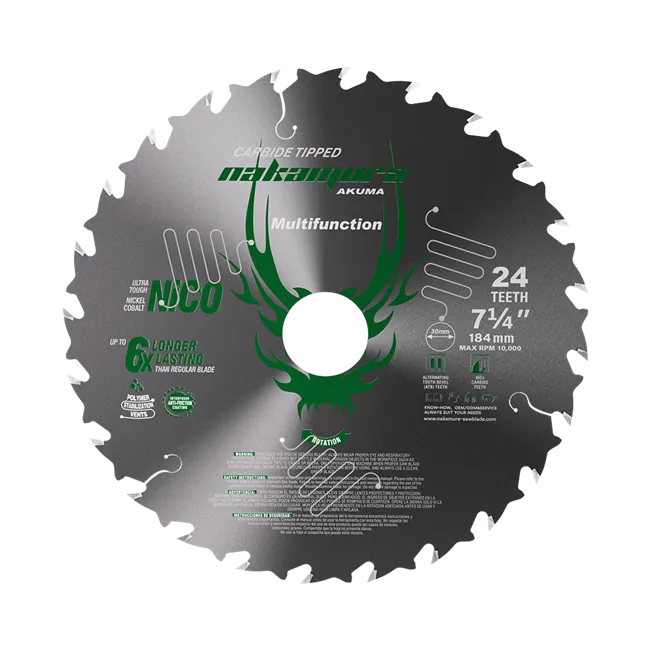
For example, 185mm Multipurpose Circular Saw Blade can be used for multipurpose cutting applications where the blade diameter, machine specifications, and material requirements need to be considered together.
Blade Condition and Mounting Can Affect Noise
Blade condition is another factor that should not be overlooked.
A worn or damaged blade may not cut as efficiently as a properly maintained blade. Excessive tooth wear, damaged carbide tips, incorrect mounting, or poor alignment can contribute to vibration and irregular cutting behavior.
The blade should therefore be installed according to the machine manufacturer's instructions, with the correct arbor and mounting components. The blade, flange, and machine should also be inspected regularly for damage or abnormal wear.
Keeping the cutting system properly maintained is important not only for noise control but also for cutting quality and operational safety.
Carbide Blades vs. Other Cutting Solutions
Different cutting tools can produce different sound characteristics, but it is difficult to make a universal statement that one blade type is always quieter than another.
Abrasive cutting wheels, carbide-tipped blades, and other cutting systems operate differently and generate different combinations of motor noise, material-contact noise, vibration, and airborne sound.
Therefore, noise should be evaluated under comparable conditions rather than based solely on the blade material.
Why Does Noise Matter?
Excessive occupational noise can be a workplace safety concern. The actual exposure depends on both the sound level and the duration of exposure.
For this reason, users should follow applicable workplace regulations and the machine manufacturer's safety instructions. Where noise exposure is significant, appropriate hearing protection and other engineering or administrative controls should be considered.
Noise can also affect communication and the working environment, particularly in workshops, fabrication facilities, construction sites, and other areas where multiple machines operate simultaneously.
How Can Noise Be Reduced?
There is no single method that will eliminate saw blade noise, but several factors can help control it:
Select a blade suitable for the material.
Follow the machine manufacturer's recommended RPM and operating parameters.
Ensure the blade is correctly mounted and aligned.
Replace damaged or excessively worn blades.
Keep the workpiece properly supported and secured.
Maintain the saw and drive system regularly.
Use appropriate hearing protection when required.
Consider machine enclosures or other engineering controls where applicable.
For applications involving different materials, choosing a blade designed for the intended cutting range can also help maintain more consistent cutting behavior. Multi Purpose Saw Blades can be considered for suitable multipurpose cutting applications.


Final Thoughts
The noise produced by a carbide saw blade is influenced by much more than the carbide teeth themselves. Blade diameter, RPM, tooth geometry, material, machine structure, mounting condition, blade condition, and cutting parameters can all contribute to the final sound level.
Rather than relying on a fixed dB value for every carbide saw blade, users should evaluate noise under the actual operating conditions and select a blade that matches the material and machine.
Proper blade selection, correct installation, regular maintenance, and appropriate hearing protection can all contribute to a safer and more controlled cutting environment.