





Ceramic tiles and porcelain are hard, brittle materials that require the right cutting tool. A common question among DIY users and contractors is whether a carbide saw blade can cut ceramic. The answer depends on the blade design and the material, but a standard carbide-tipped circular saw blade designed for wood or metal is generally not suitable for this job.
Understanding the differences between carbide-tipped blades, carbide-grit blades, and diamond blades can help you choose the right tool and avoid unnecessary damage.
1. Understanding Carbide Saw Blades
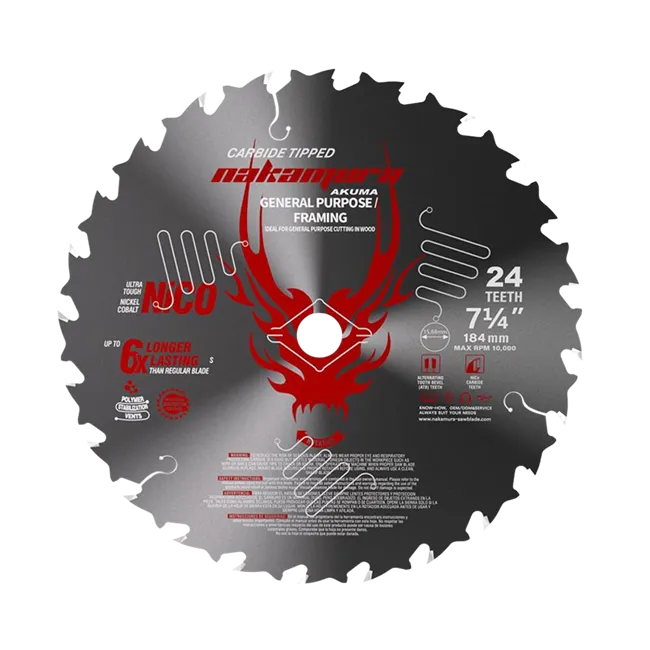
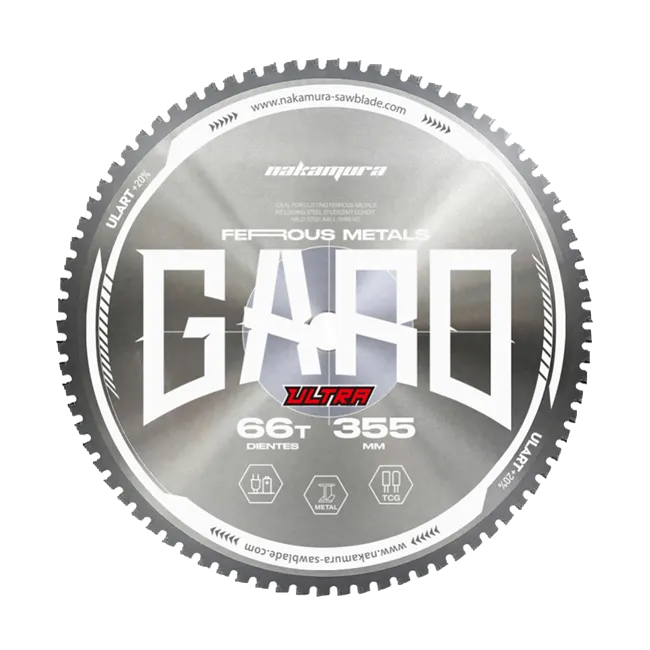
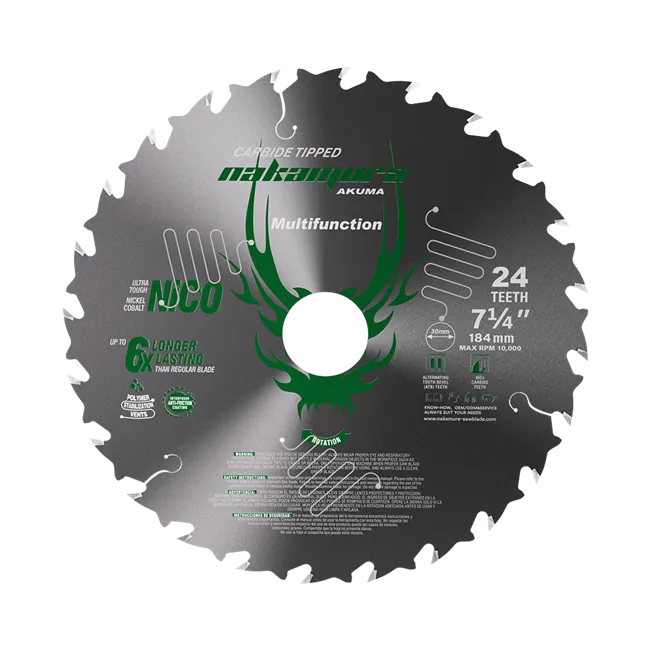
A conventional carbide-tipped saw blade has individual tungsten carbide tips brazed onto a steel body. These teeth are designed to cut materials by shearing and removing chips.
Carbide offers good hardness and wear resistance, making it widely used for woodworking and certain metal-cutting applications. However, this does not mean every carbide blade can cut every hard material.
Ceramic and porcelain have different cutting characteristics from wood and metal. Their hardness and brittleness make them more demanding, particularly when a clean edge is required.
2. Why Standard Carbide Blades Are Not Suitable for Ceramic
Wood-cutting blades typically have sharp, widely spaced teeth designed to remove wood chips. When used on ceramic tile, these teeth can create concentrated cutting forces that may cause chipping, cracking, or damage to the blade.
Increasing the tooth count does not automatically solve the problem. A fine-tooth woodworking blade is still designed around a different cutting mechanism and is not a substitute for a blade specifically rated for ceramic.
Porcelain tile can be even more demanding because of its density and wear resistance. Using an unsuitable blade may lead to poor cutting results and excessive tool wear.
For these reasons, avoid using ordinary TCT wood or metal blades to cut ceramic tiles.
3. Carbide-Grit Blades vs. Diamond Blades
It is important to distinguish conventional carbide-tipped blades from abrasive blades.
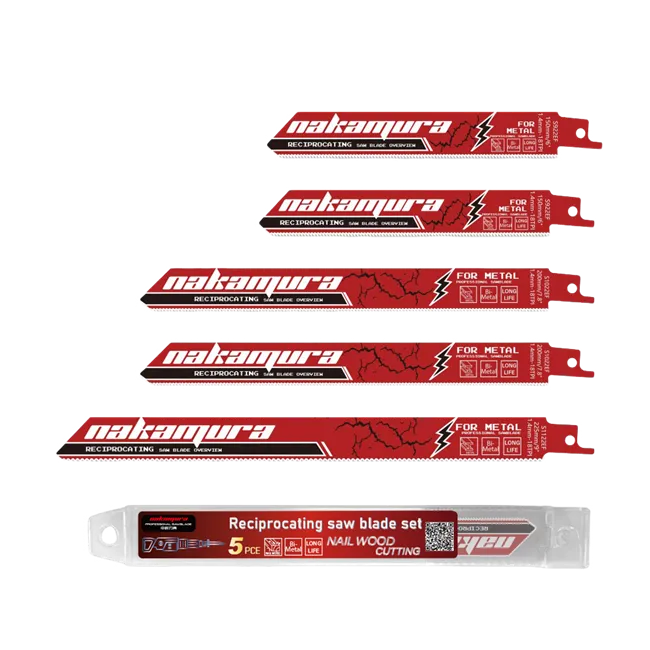
Carbide-grit blades use an abrasive cutting edge rather than conventional saw teeth. Certain carbide-grit reciprocating blades are designed for applications such as ceramic tile, fiberglass, and masonry. Their suitability depends on the specific product and cutting conditions.
Diamond blades use industrial diamond particles bonded to the cutting edge. They are widely used for cutting ceramic tile, porcelain, stone, and other hard, brittle materials.
For ceramic tile, a continuous-rim diamond blade is often preferred when a smoother edge is required. Other rim designs may be selected depending on the material, machine, and cutting speed.
The correct choice should always be based on the blade manufacturer's stated application, not simply the word "carbide" or "diamond" in the product name.
4. What Should You Consider When Cutting Ceramic?
Before selecting a blade, consider the following factors:
Material type: Identify whether you are cutting standard ceramic tile, porcelain, natural stone, or another engineered material. These materials may require different cutting solutions.
Material thickness: Thicker and denser materials place greater demands on the blade and cutting equipment.
Required edge quality: Visible edges, corners, and decorative surfaces may require a blade designed to minimize chipping.
Machine compatibility: Check the blade diameter, arbor size, maximum operating speed, and cutting method. The blade must be approved for the specific machine.
Wet or dry cutting: Some diamond blades are designed for wet cutting, while others are rated for dry cutting or both. Follow the manufacturer's instructions. Do not use water with equipment that is not designed for wet cutting.
5. Cutting Safety and Dust Control
Cutting ceramic and porcelain can generate fine dust, including respirable crystalline silica depending on the material. Exposure to this dust can cause serious long-term health problems.
Use suitable dust-control measures, such as wet cutting with compatible equipment or an appropriate dust-extraction system. Wear suitable respiratory protection, eye protection, and hearing protection as required by the working conditions.
Secure the tile properly and avoid forcing the blade through the material. Inspect the blade before use and stop immediately if you notice unusual vibration, damage, or abnormal cutting behavior.
Always follow the instructions supplied with both the cutting machine and the blade.
6. Choosing the Right Blade for Related Materials
Not all mineral-based materials should be treated as ceramic tile. For example, fiber cement board, calcium silicate board, and certain abrasive construction panels may require specialized PCD saw blades rather than tile-cutting diamond blades.
Nakamura offers different solutions for these applications:
Fiber Cement Board Saw Blade – PCD blade for abrasive fiber cement and cement-based panels.
7 1/4 Fiber Cement Blade – A PCD blade designed for fiber cement and other specified exterior construction materials.
125mm 12T PCD Cutting Blade – A PCD cutting blade intended for specified cement-based and abrasive sheet materials.
The two PCD products above are not presented as ceramic tile blades. Selecting a product for tile requires checking its actual application and machine compatibility.
Conclusion
Can a carbide saw blade be used for cutting ceramic? A conventional carbide-tipped blade designed for wood or metal is generally not the right choice. Although certain carbide-grit blades are made for specific ceramic-cutting applications, diamond blades are the more established solution for ceramic and porcelain tile.
The key is to match the blade technology to the material, cutting equipment, and required finish. Choosing a blade specifically designed for the job helps improve cutting quality, reduce unnecessary wear, and support safer operation.