


It is important to clarify one point: high-volume trimming of body stamped parts is usually handled by trimming dies, laser cutting, punching, and dedicated deburring processes. Saw blades do not replace these primary production methods. Their value is stronger in metal tube cutting, aluminum profile cutting, plastic parts, interior panels, prototyping, repair, modification, and supplier-side cutting tasks.
Cutting pain points in automotive manufacturing
- Metal tubes and profiles.Exhaust pipes, brackets, aluminum profiles, light steel parts, and supporting structures require stable cut size and controlled burrs. Poor cuts can affect welding, assembly, and surface finishing.
- Complex interior materials.Automotive interiors may include plastic, decorative wood panels, composite boards, fabric-covered parts, foam, and lightweight sandwich structures. Each material reacts differently to cutting heat, tooth geometry, chip removal, and edge pressure.
- Fast-changing prototyping and small-batch work.Automotive R&D, modification, repair, and aftermarket supply often involve mixed materials, small batches, and quick adjustments. In these situations, tool flexibility and response speed may matter more than full-scale production speed.
- Difficult composite materials.Glass fiber, carbon fiber, honeycomb panels, and wear-resistant decorative materials may create delamination, fuzzing, dust, and fast tool wear. Tool selection must start from the actual material structure.
Metal tubes and profiles: stable cuts and fewer burrs
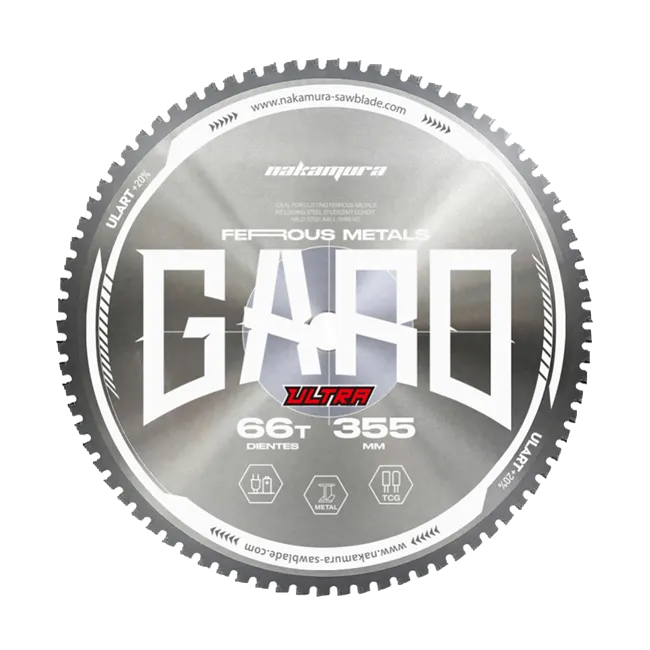
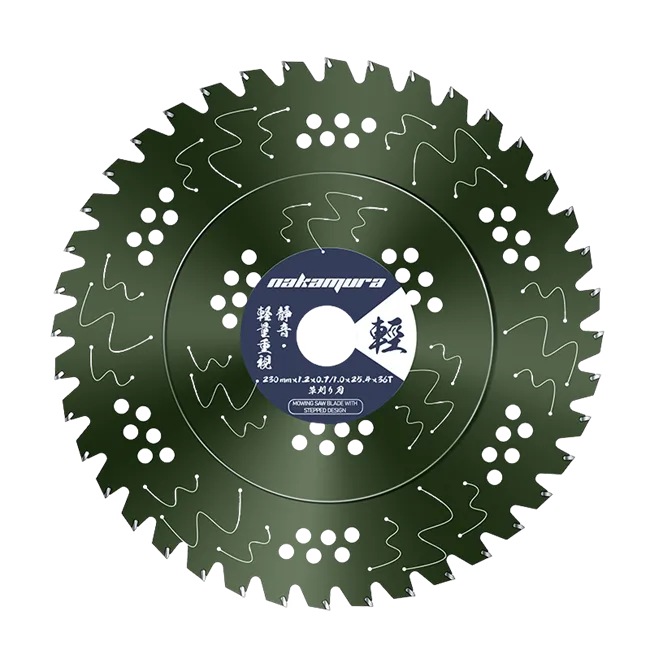
In automotive component processing, metal cutting is not only about separating the material. If the cut edge has heavy burrs, strong heat discoloration, or unstable dimensions, welding, assembly, and inspection may all be affected.The Nakamura Metal Cutting Circular Blade is designed for metal and stainless steel cutting applications. It is suitable for hardware processing, installation work, and industrial supply. In automotive supplier production, it can be used for metal tubes, light profiles, bracket parts, and small-to-medium metal components.Compared with abrasive cutting, a toothed metal cutting circular blade is more suitable when edge quality, repeatability, and downstream assembly are important.Repair, modification, and prototyping: reciprocating blades offer flexibilityAutomotive repair, modification, dismantling, prototype work, and on-site rework are often not performed under ideal production conditions. The work area can be tight, the materials may be mixed, and the task may involve bolts, welds, old brackets, and layered structures.

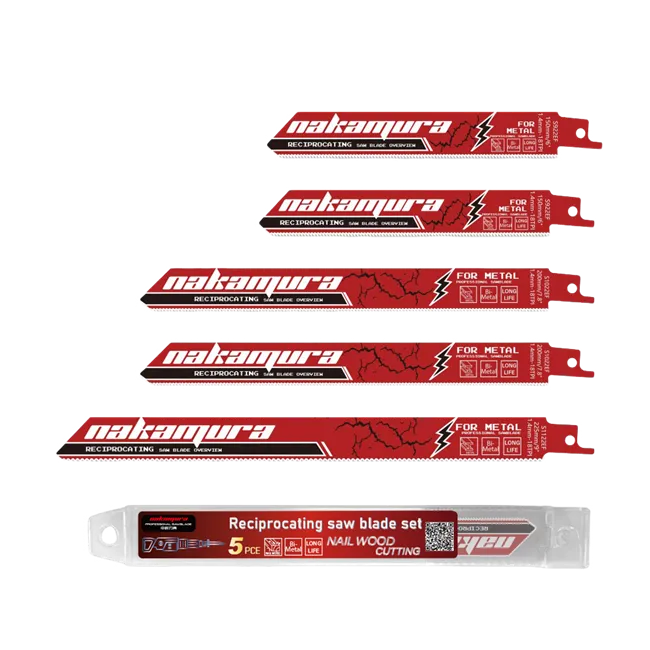
In these situations, the advantage of reciprocating blades is flexibility, not extreme precision.Nakamura 9inch Demolition Reciprocating Saw Bladesare suitable for heavy-duty demolition, pipe cutting, mixed materials, and high-impact conditions. For repair teams, dismantling workshops, and prototype shops, they are more suitable for cutting old components, removing brackets, processing tubes, and making fast cuts on non-critical areas.
Interior parts and mixed materials: know the material limits
Automotive interior processing involves many non-metallic materials, such as plastic parts, decorative panels, wood trim, composite boards, aluminum profiles, and lightweight structures. The goal is not rough separation. It is to reduce burrs, chipping, melting, and secondary finishing.
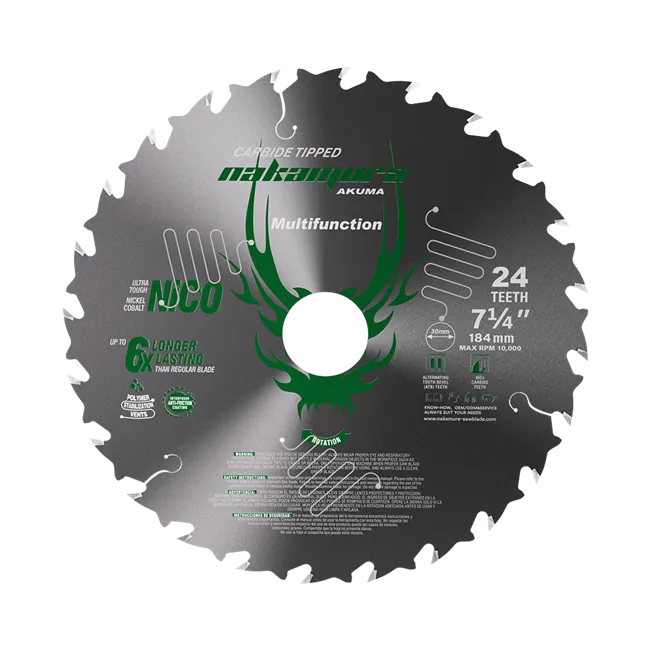
The Nakamura Multi Purpose Saw Blades are designed for mixed materials such as wood, plastic, aluminum profiles, light metal, and composite boards. For automotive interior suppliers, modification workshops, engineering prototypes, and aftermarket repair channels, a multi-purpose blade can reduce frequent blade changes and improve jobsite efficiency.
However, multi-purpose does not mean perfect for everything. For premium visible interior parts, appearance surfaces, or precision mass-production parts, blade selection and sample testing should be based on material, thickness, machine type, and edge requirements.
Composite material cutting: confirm the material first
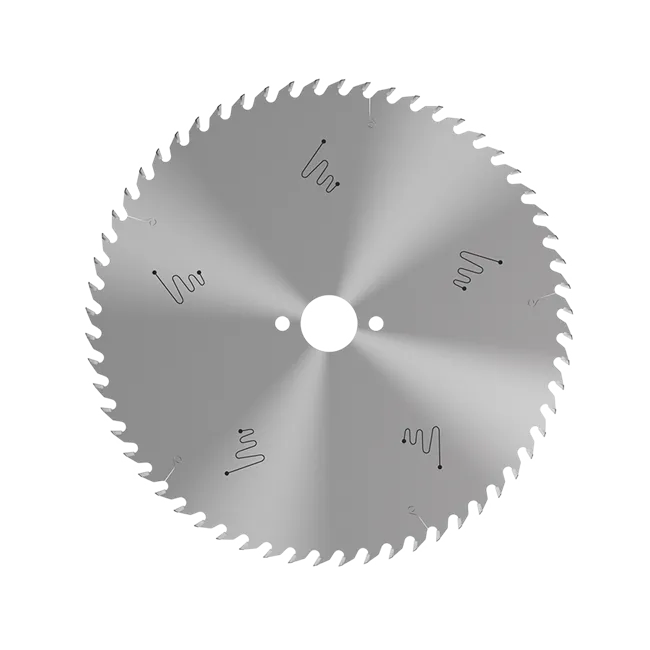
Carbon fiber, glass fiber, honeycomb panels, mineral composite boards, and wear-resistant decorative materials behave very differently during cutting. Standard woodworking blades, metal blades, or multi-purpose blades may not be suitable for all composites.Before choosing a blade, confirm the material structure, thickness, resin system, fiber direction, sandwich layers, and requirements for dust, burrs, delamination, and heat influence.For abrasive boards or long production runs, PCD, diamond, or dedicated composite tooling can be evaluated. Before mass production, sample testing is recommended to confirm edge quality, tool life, and dust control.

Nakamura's selection logic for automotive applications
Nakamura does not recommend using one blade for every automotive cutting task. A more practical approach is to select by material and process:
- For metal tubes, profiles, and brackets, consider metal cutting circular blades.
- For repair, dismantling, and fast prototype work, choose heavy-duty reciprocating blades.
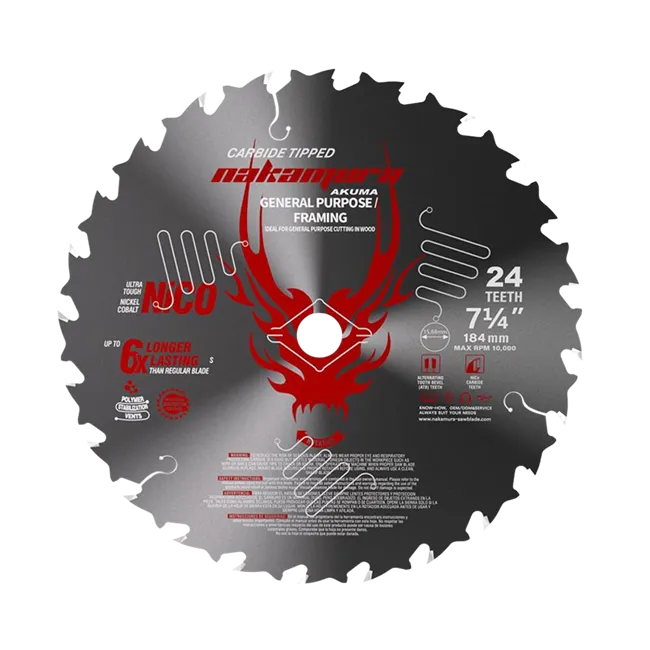
- For interior panels, plastic, aluminum profiles, and mixed materials, use multi-purpose blades or dedicated wood/plastic cutting blades.
- For abrasive composites and continuous production, evaluate PCD or dedicated composite cutting solutions.
Conclusion
Cutting in automotive manufacturing is not only about speed. It is about material matching, edge quality, dimensional stability, and process connection.
Nakamura provides metal cutting circular blades, heavy-duty reciprocating blades, multi-purpose blades, and PCD solutions to support more stable and controlled cutting for automotive component processing, interior suppliers, repair work, and prototype production.
Nakamura - reliable cutting tool options for multi-material automotive applications.